

 Language
 中文简体
中文简体 русский
 Español
 Deutsch
 عربى
عربى Contact Us
Eyeshadow


 0
0
Product
Didn't find the product you like?
We gonna help you find matched one fast
Popular Products
Why Does Texture Matter When Choosing A Contouring Stick Manufacturer?
2026-01-16
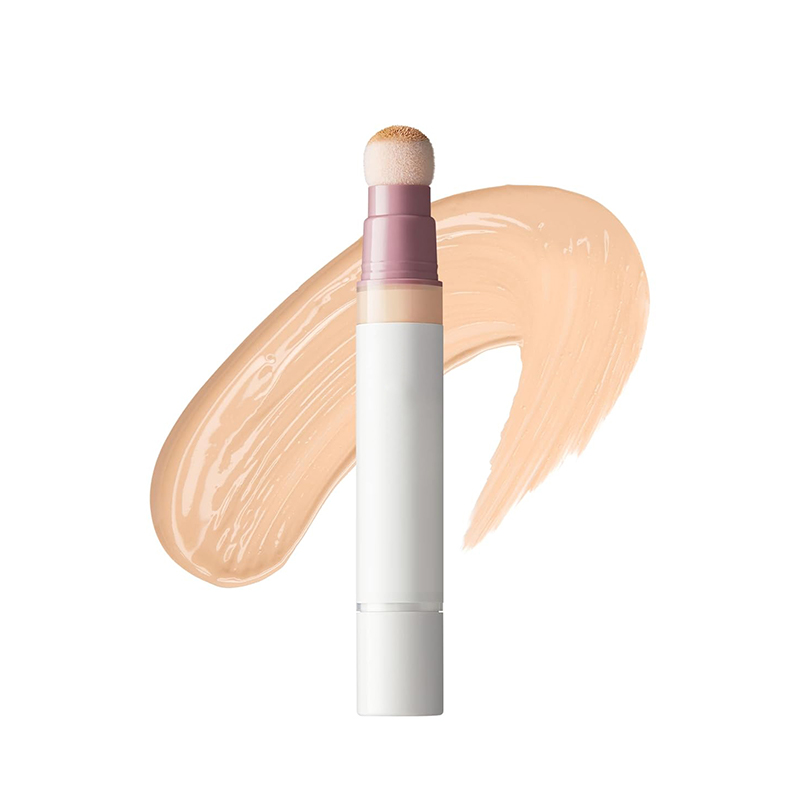
Selecting a contour product is not only about shade range or packaging. For brands working with a High-Quality Cosmetics Factory or evaluating a Contouring Stick Manufacturer, texture plays a decisive role in how the product performs in real use. Texture influences how a contour stick applies, blends, wears over time, and interacts with different skin conditions. When texture is overlooked during development, even well-matched colors may fail to meet user expectations in daily routines.
Texture Determines How Pigment Meets the Skin
Texture controls the point of contact between the contour stick and the skin. A formula that is too firm may drag across the surface, making application uneven, while a formula that is too soft can deposit excess pigment in one area. A Contouring Stick Manufacturer focuses on achieving a balanced cream structure that allows the product to glide smoothly while maintaining control during application.
In a High-Quality Cosmetics Factory, formulators test how pigments are suspended within waxes and oils. This balance affects whether color distributes evenly or appears patchy. For dual-ended contour sticks designed for quick use, texture consistency is essential so users can move from contouring to highlighting without adjusting pressure or technique.
Blending Behavior Shapes the Final Look
Blending is where texture becomes visible. A contour stick that blends too quickly may disappear before shaping is complete, while one that resists blending can leave harsh edges. Manufacturers evaluate how the product responds to fingers, brushes, or sponges, as different users prefer different tools.
A Contouring Stick Manufacturer conducts repeated blending tests on bare skin and over base makeup. These tests help confirm that the texture allows gradual diffusion rather than abrupt color movement. In a High-Quality Cosmetics Factory, this process ensures that Medium/Tan contour shades soften naturally into the skin instead of sitting as visible stripes.
Interaction With Different Skin Types
Skin conditions vary widely, from dry and textured to oil-prone or combination. Texture determines how a contour stick behaves across these differences. A formula that feels smooth on dry skin may slide excessively on oil-prone areas, while a drier texture may cling unevenly to flaky patches.
Manufacturers address this by adjusting emollient levels and structural agents. The goal is not to create a universal solution, but to support adaptable performance across common skin types. A High-Quality Cosmetics Factory typically evaluates texture under controlled conditions that simulate real skin environments, helping a Contouring Stick Manufacturer refine formulas for broader usability.
Layering With Other Makeup Products
Contour sticks are rarely used alone. They are applied alongside foundation, concealer, and setting products. Texture affects how well a contour stick layers without disrupting base makeup. If the texture is incompatible, it may lift foundation underneath or create uneven buildup.
During development, manufacturers test contour sticks over liquid, cream, and powder bases. This helps determine whether the texture integrates smoothly or causes separation. A Contouring Stick Manufacturer that understands layering behavior can deliver products that fit naturally into existing makeup routines rather than forcing users to adjust their process.
Temperature Sensitivity and Stability
Texture is also influenced by environmental conditions. Heat can soften a contour stick, while cold temperatures may make it rigid. A High-Quality Cosmetics Factory evaluates how texture responds to temperature changes during storage and transport.
Stability testing helps ensure that the product maintains a consistent feel over time. For portable, travel-friendly contour sticks, this consistency is particularly important. A Contouring Stick Manufacturer must consider how texture behaves when a product is carried in handbags, makeup kits, or luggage, where temperature control is limited.
Texture and Precision in Dual-Ended Designs
Dual-ended contour sticks require texture control on both sides of the product. The contour and highlight ends must complement each other without creating contrast in application feel. If one end is noticeably firmer or softer, the user experience becomes inconsistent.
Manufacturers address this by aligning texture profiles during formulation. In a High-Quality Cosmetics Factory, development teams test both ends together to ensure that transitions feel natural. This alignment supports intuitive use, especially for users who rely on compact products for quick application.
Ethical Formulation and Texture Development
Cruelty-free standards influence texture development as well. Without animal testing, manufacturers rely on alternative evaluation methods to assess spreadability, adherence, and wear. A Contouring Stick Manufacturer committed to ethical practices invests in laboratory testing, synthetic skin models, and structured human trials.
These methods allow texture refinement without compromising ethical considerations. A High-Quality Cosmetics Factory integrates these practices into standard workflows, ensuring that cruelty-free formulations still meet practical texture requirements.
Related Product
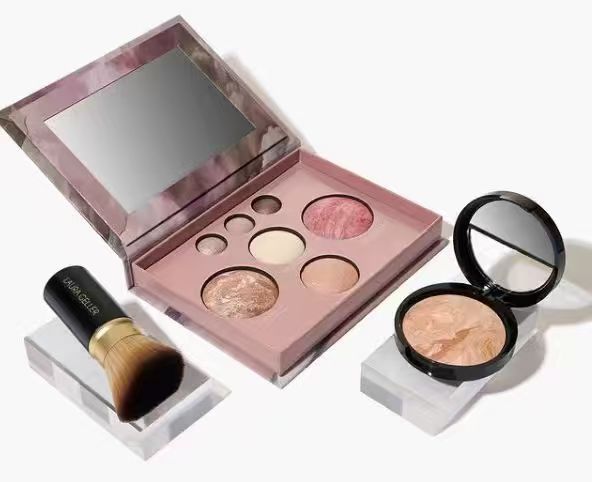
- Custom Cost-Effective Multifunctional cosmetics set
- Beautifully Packaged Multifunctional Cosmetics Set
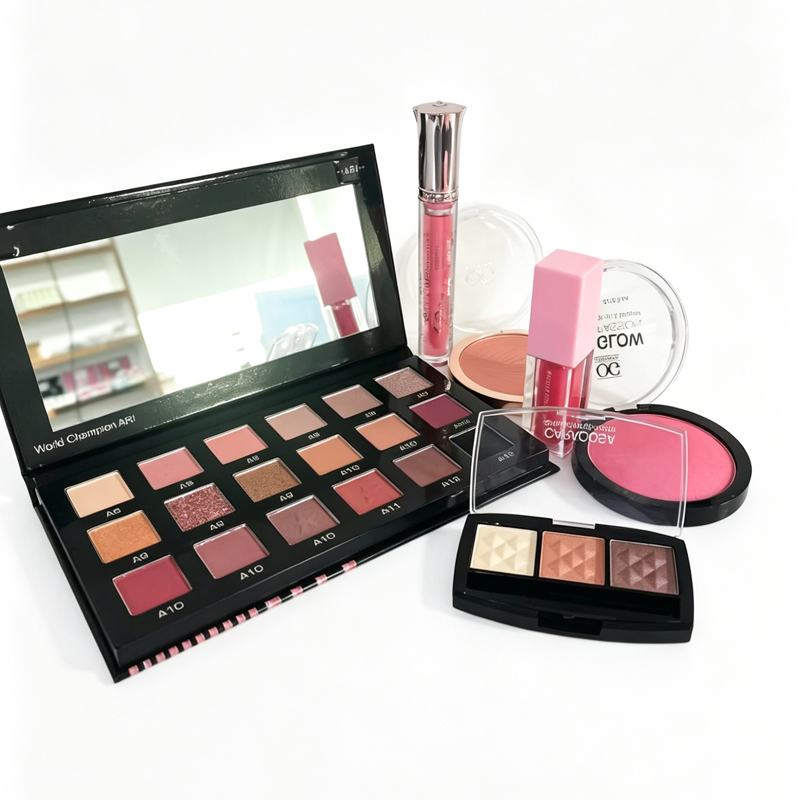
- 18 Colors Professional Makeup Eyeshadow Pallate
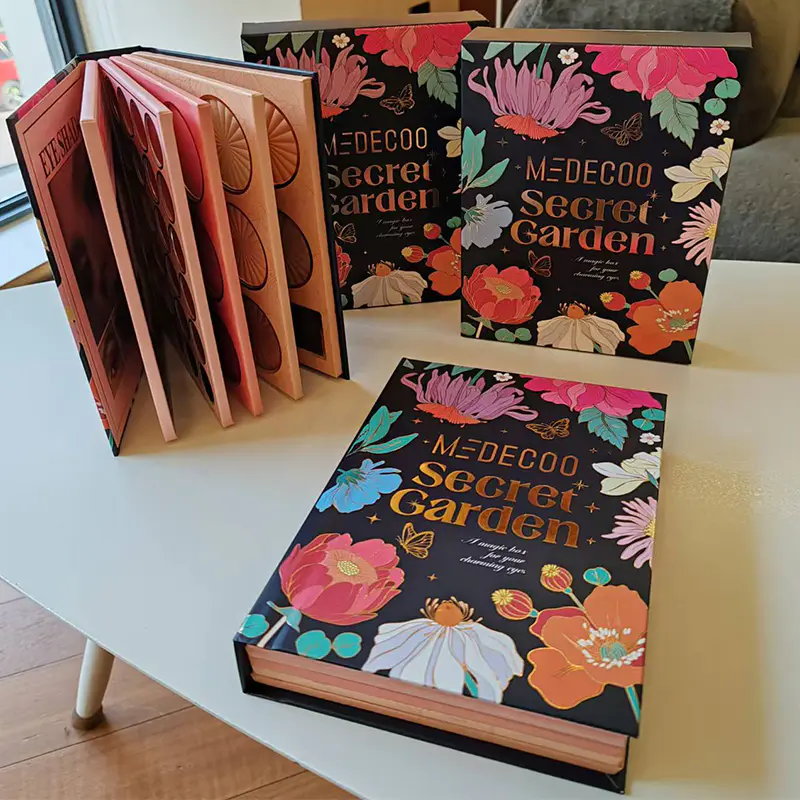
- All-in-One Makeup Book Palette Eyeshadow Palette
- Makeup Kit with Lip Liner And Powder
- Hydrating Cream Finish Italian Marble Sheer Lipstick
- Smudge-Resistant Rouge Hydrating Cream Lipstick
- Heart Shape Juicy Color Lip Glaze With Moisture Essence
- Transparent Hydrating Plumping Cherry Lip Glow Oil
- Hydrating Nudescreen Liquid Blush & Lip Tint
- Moisturizing Medium Coverage Dewy Foundation
- Natural Glow Finish Lightweight Hydrating Foundation


LINKS
PRODUCTS
CONTACT
-
 WhatsApp/Wechat/Phone:
+86-13423654553 -
 [email protected]
-
 No.818 Mingkai Street ,liushi Towm, dongyang City,jinhua, zhejiang, P.R.CHINA
MOBILE SITE
Copyright © Dongyang Qicai Cosmetics Co., Ltd. All Rights Reserved.

