

 Language
 中文简体
中文简体 русский
 Español
 Deutsch
 عربى
عربى Contact Us
Eyeshadow


 0
0
Product
Didn't find the product you like?
We gonna help you find matched one fast
Popular Products
How Does A Contouring Stick Manufacturer Match Real Skin Tones?
2026-01-09
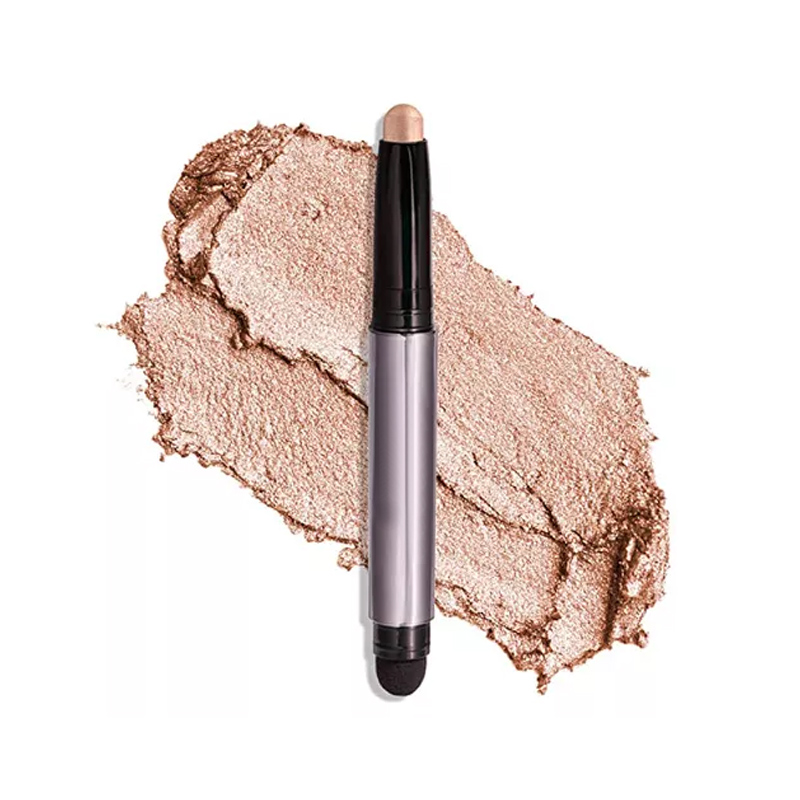
Creating a contour product that blends naturally into real skin tones is not a matter of guesswork. For a High-Quality Cosmetics Factory working as a Contouring Stick Manufacturer, tone accuracy is built through observation, testing, and continuous adjustment. Unlike decorative color cosmetics, contour sticks are designed to imitate natural shadows and light on the face, which makes shade development far more sensitive to undertone, depth, and texture. Understanding how manufacturers approach this challenge helps buyers and end users choose products that feel more intuitive and wearable in daily routines.
Understanding Real Skin Tone Variations Beyond Light and Dark
Skin tone is often described using broad categories such as fair, medium, or deep, but real complexions are far more nuanced. A Contouring Stick Manufacturer begins by studying undertones, which generally fall into warm, cool, and neutral ranges, with many variations in between. Medium and tan skin tones, for example, can lean golden, olive, or softly neutral, and each reacts differently to contour pigments.
In a High-Quality Cosmetics Factory, shade development typically starts with a wide sampling of skin references. These references may include lab-created skin panels, professional makeup models, and feedback from international markets. The goal is not to chase trends, but to identify how shadows naturally appear on different faces under normal lighting. This research phase ensures that contour shades enhance facial structure rather than sit visibly on the surface of the skin.
Translating Facial Shadows Into Contour Pigments
Contour products work by replicating the way light falls on the face. Cheek hollows, jawlines, and nose bridges naturally appear slightly deeper in tone, not dramatically darker. A skilled Contouring Stick Manufacturer focuses on muted pigment blends rather than strong browns or grays. This is especially important for Medium/Tan shades, which need balance to avoid appearing muddy or overly warm.
In practice, pigment blending involves combining base colorants with subtle modifiers. These modifiers help soften contrast so the contour shade blends into foundation without harsh edges. High-Quality Cosmetics Factory teams often test multiple pigment ratios to see how they perform once applied, blended, and worn over time. A shade that looks balanced in the stick may appear different after contact with skin oils or under natural daylight, which is why repeated wear tests are essential.
Matching Contour and Highlight in Dual-Ended Designs
Dual-ended contour sticks introduce an additional layer of complexity. The contour and highlight must work together without overpowering one another. For Medium/Tan skin ranges, highlight shades are often developed with restrained brightness, avoiding overly reflective finishes that can appear artificial.
A Contouring Stick Manufacturer ensures that both ends share compatible undertones. If the contour leans neutral-warm, the highlight is usually designed with a similar base to maintain harmony on the skin. In a High-Quality Cosmetics Factory, this pairing process involves applying both shades together during trials to confirm that transitions between sculpted and illuminated areas appear smooth rather than contrasting.
Texture Testing Across Different Skin Conditions
Color accuracy alone does not guarantee a natural look. Texture plays a major role in how shades appear once applied. Cream-based contour sticks, such as dual-ended designs, need to glide easily while remaining controllable. If the texture is too stiff, blending becomes uneven; if too soft, pigment distribution may become patchy.
Manufacturers test formulas on different skin types, including dry, combination, and oil-prone surfaces. The aim is to confirm that the contour shade diffuses gently rather than settling into fine lines or pores. A High-Quality Cosmetics Factory typically adjusts waxes and emollients to support even application, ensuring that the Medium/Tan shade maintains its intended tone after blending.
Considering Real-World Lighting and Daily Use
Studio lighting can distort how contour shades appear. For this reason, a Contouring Stick Manufacturer evaluates products under everyday conditions such as indoor office lighting, outdoor daylight, and evening environments. Medium/Tan contour shades are particularly sensitive to lighting shifts, where overly cool tones may look gray and overly warm tones may appear orange.
Testing under varied conditions helps refine pigment balance so the contour effect remains subtle and adaptable. This approach supports users who apply makeup quickly or without professional tools, aligning with the needs of on-the-go routines and compact product formats.
Ethical Formulation Without Compromising Shade Accuracy
Cruelty-free formulation is now a standard expectation rather than a niche preference. Developing accurate contour shades without animal testing requires alternative evaluation methods. High-Quality Cosmetics Factory laboratories rely on in-vitro testing, synthetic skin models, and extensive human wear trials conducted ethically.
A Contouring Stick Manufacturer committed to cruelty-free practices must still ensure color consistency across production batches. This involves strict raw material controls and color matching protocols, so that Medium/Tan shades remain consistent over time. Ethical choices are integrated into the development process rather than treated as an afterthought.
Related Product
- Custom Cost-Effective Multifunctional cosmetics set
- Beautifully Packaged Multifunctional Cosmetics Set
- 18 Colors Professional Makeup Eyeshadow Pallate
- All-in-One Makeup Book Palette Eyeshadow Palette
- Makeup Kit with Lip Liner And Powder
- Hydrating Cream Finish Italian Marble Sheer Lipstick
- Smudge-Resistant Rouge Hydrating Cream Lipstick
- Heart Shape Juicy Color Lip Glaze With Moisture Essence
- Transparent Hydrating Plumping Cherry Lip Glow Oil
- Hydrating Nudescreen Liquid Blush & Lip Tint
- Moisturizing Medium Coverage Dewy Foundation
- Natural Glow Finish Lightweight Hydrating Foundation


LINKS
PRODUCTS
CONTACT
-
 WhatsApp/Wechat/Phone:
+86-13423654553 -
 [email protected]
-
 No.818 Mingkai Street ,liushi Towm, dongyang City,jinhua, zhejiang, P.R.CHINA
MOBILE SITE
Copyright © Dongyang Qicai Cosmetics Co., Ltd. All Rights Reserved.

