

 Language
 中文简体
中文简体 русский
 Español
 Deutsch
 عربى
عربى Contact Us
Eyeshadow


 0
0
Product
Didn't find the product you like?
We gonna help you find matched one fast
Popular Products

What Steps Help High-Quality Cosmetics Factory Improve Product Safety Assurance?
2026-01-02
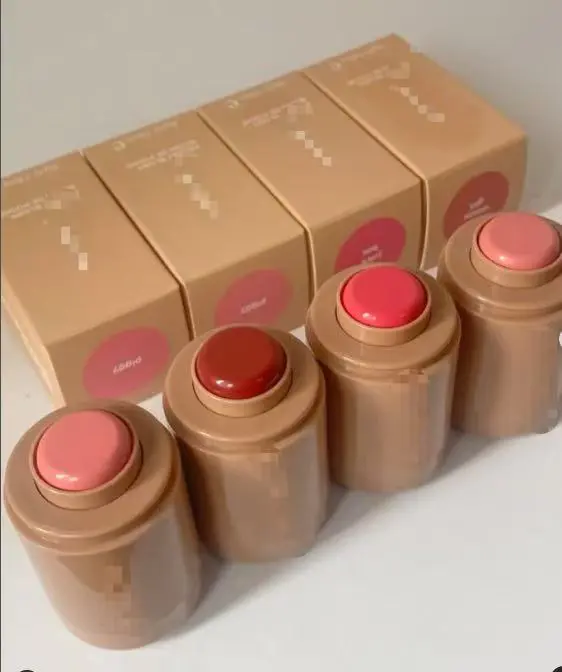
Many brands looking to develop stable powder and cream formulations often consult both a Blush Factory and a High-Quality Cosmetics Factory to understand how production partners handle product safety assurance from start to finish. As regulations tighten and customer expectations grow, safety practices have become central topics during project discussions. Understanding the measures factories take can help buyers gain clarity on what influences safe development, consistent batches, and responsible use of raw materials throughout the manufacturing cycle.
How Material Sourcing Practices Shape Safety from the Beginning
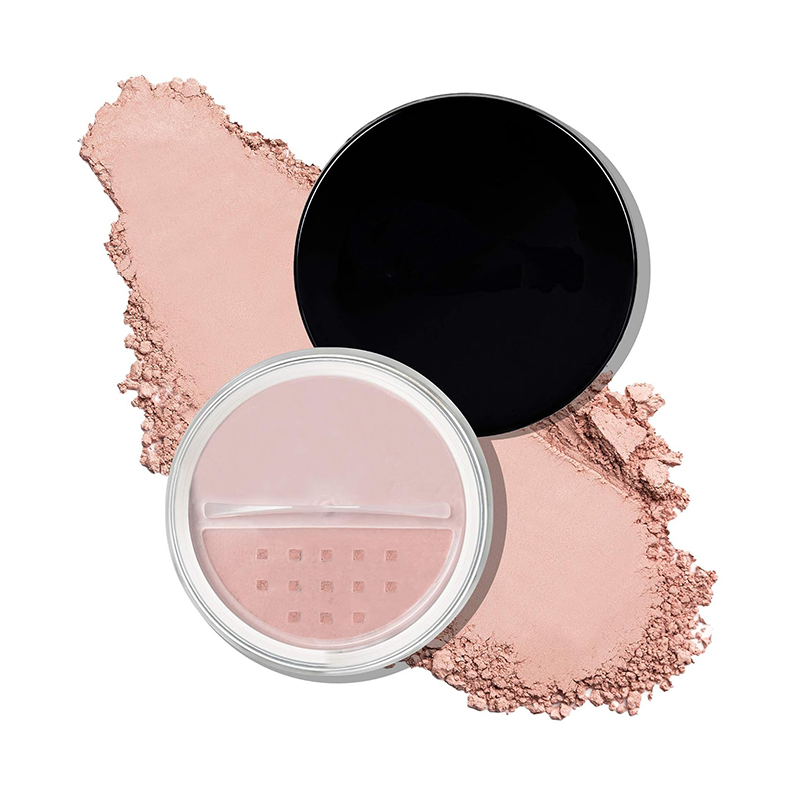
Product safety often begins long before manufacturing starts. A cosmetics factory typically builds its foundation on raw material selection, since ingredient quality directly affects how the final product behaves on the skin. Factories that work with blush powders or broader cosmetic ranges usually rely on verified suppliers that can provide documentation such as ingredient specifications, test reports, and regulatory statements. These records help the factory confirm that pigments, fillers, emollients, and preservatives meet regional standards.
Material traceability also forms a large part of the safety process. When each ingredient is logged with batch numbers and supplier details, it becomes easier to track how a specific raw material contributes to a finished batch. If any inconsistencies appear, technicians can compare data quickly, reducing uncertainty during troubleshooting. This procedural clarity gives brands greater confidence when discussing ingredient compliance.
How Production Environment Controls Support Safer Processing
Once materials enter the production area, environmental conditions become influential. Cosmetics—especially powders and emulsions—respond to humidity, temperature, and airborne particles. A controlled workspace is not only for product stability but also for preventing outside contaminants from entering the process.
Powder rooms in a blush-focused facility may include air filtration systems that help keep dust and unwanted particles away from open mixers or transfer tools. Temperature stability prevents certain ingredients from softening or binding unintentionally, while steady humidity helps powders maintain predictable flow characteristics. These conditions support safer manufacturing because they reduce the chance of unexpected reactions caused by environmental fluctuations.
Protective clothing, controlled access to production rooms, and routine cleaning schedules also play practical roles. Factory staff typically follow standardized hygiene practices to reduce cross-contamination. Although such measures do not remove all risks, they set clear boundaries that help maintain a cleaner production environment overall.
How Processing Methods Contribute to Consistent and Safe Outcomes
During manufacturing, the way ingredients are handled can influence product safety. For blush powders, blending speed, batch size, and mixing duration all affect how evenly pigments disperse. Uneven distribution may cause unexpected results such as localized irritation due to heavy pigment concentration. This is why technicians usually monitor blend homogeneity before moving to pressing or filling.
Heat-sensitive phases, such as wax blending or emulsification for certain texture products, require controlled temperatures to prevent degradation of components. A gradual, monitored heating and cooling cycle helps keep ingredients stable and reduces the possibility of forming unwanted by-products.
Equipment calibration further influences safety. Mixers, filling machines, and pressing equipment must operate within set ranges so that powders compact evenly and liquids fill containers without overflow or underfill. Calibration records help ensure machinery continues to perform predictably across long production periods.
How Microbiological and Physical Testing Strengthen Assurance
Testing plays a major role in safety assurance and often differentiates a general production line from one that focuses more heavily on cosmetic quality control. Microbiological checks confirm whether products remain within acceptable microbial limits after mixing, filling, or storage. These tests are especially relevant for cream and liquid formulations, but even powder products may undergo screening to confirm they fall within safe ranges.
Physical tests—such as compatibility checks, stability testing, and packaging interaction studies—allow technicians to observe how products behave during transport, storage, and use. When a blush pan or cream changes color, hardens, or separates, these signs signal that adjustments may be required.
Stability testing under varied temperature and humidity conditions allows brands to understand how long a product can remain stable without noticeable change. Rather than aiming for extreme durability, the goal is to confirm that the product performs consistently through typical distribution conditions.
Related Product
- Custom Cost-Effective Multifunctional cosmetics set
- Beautifully Packaged Multifunctional Cosmetics Set
- 18 Colors Professional Makeup Eyeshadow Pallate
- All-in-One Makeup Book Palette Eyeshadow Palette
- Makeup Kit with Lip Liner And Powder
- Hydrating Cream Finish Italian Marble Sheer Lipstick
- Smudge-Resistant Rouge Hydrating Cream Lipstick
- Heart Shape Juicy Color Lip Glaze With Moisture Essence
- Transparent Hydrating Plumping Cherry Lip Glow Oil
- Hydrating Nudescreen Liquid Blush & Lip Tint
- Moisturizing Medium Coverage Dewy Foundation
- Natural Glow Finish Lightweight Hydrating Foundation



LINKS
PRODUCTS
CONTACT
-
 WhatsApp/Wechat/Phone:
+86-13423654553 -
 [email protected]
-
 No.818 Mingkai Street ,liushi Towm, dongyang City,jinhua, zhejiang, P.R.CHINA
MOBILE SITE
Copyright © Dongyang Qicai Cosmetics Co., Ltd. All Rights Reserved.

