

 Language
 中文简体
中文简体 русский
 Español
 Deutsch
 عربى
عربى Contact Us
Eyeshadow


 0
0
Product
Didn't find the product you like?
We gonna help you find matched one fast
Popular Products
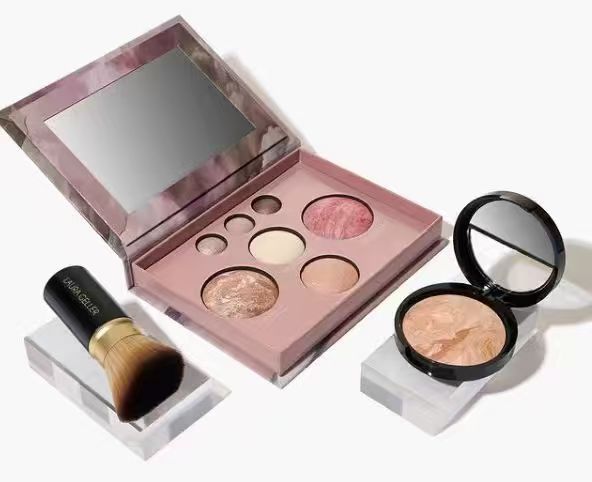

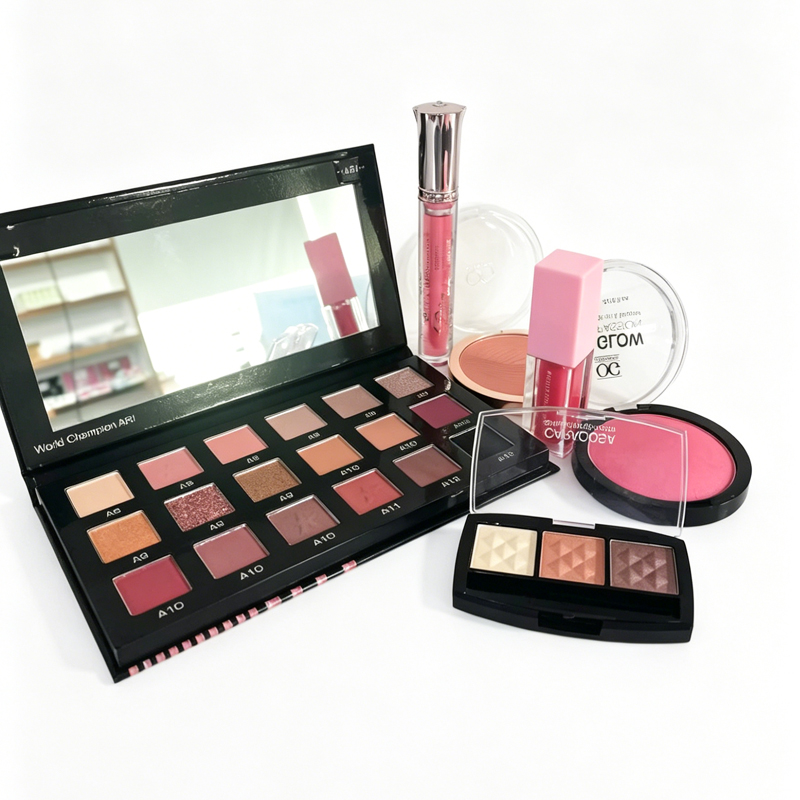
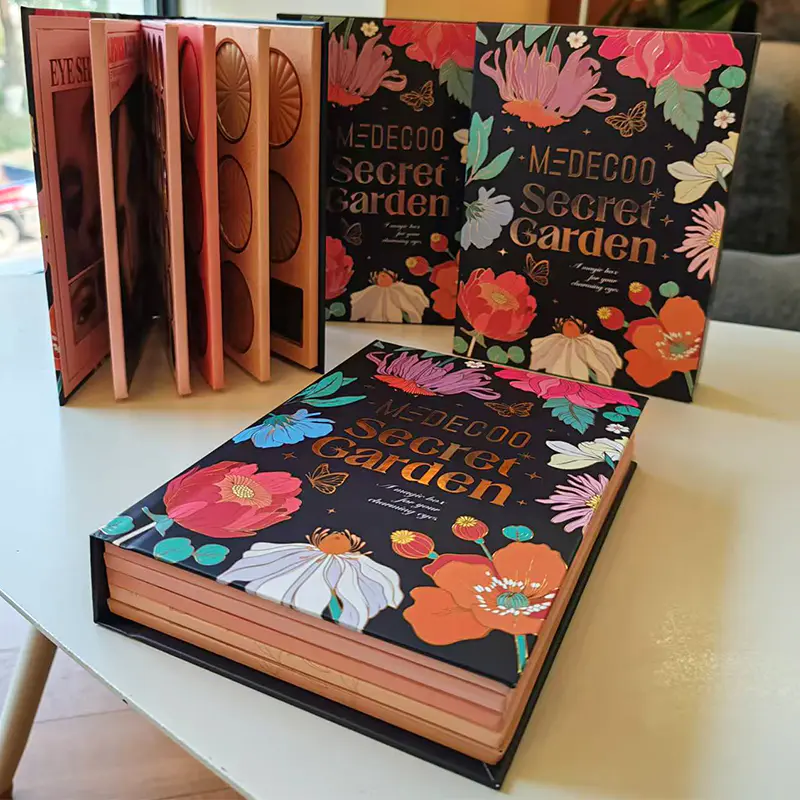
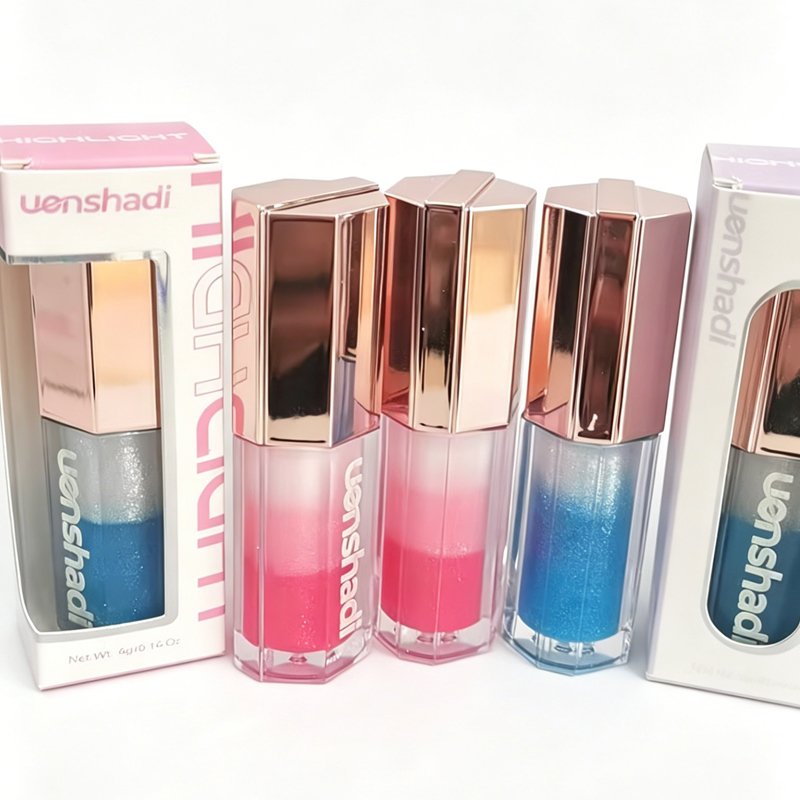
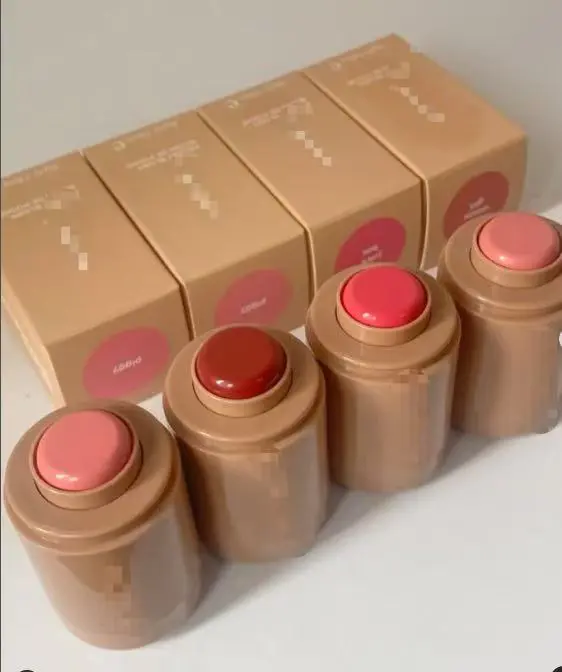

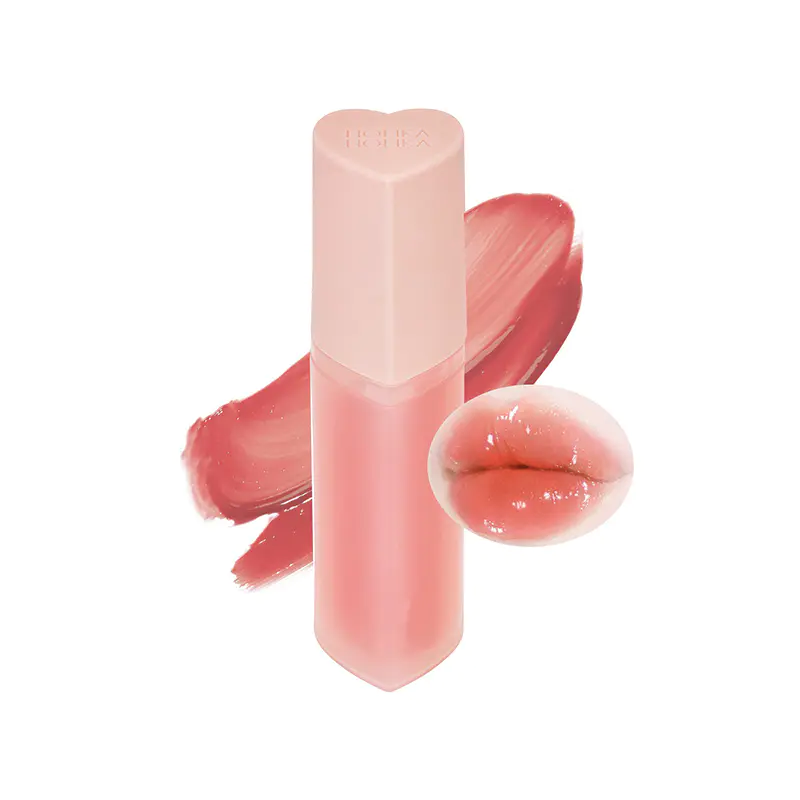
How Can a Blush Factory Reduce Moisture Issues During Powder Processing?
2025-12-26
A growing number of businesses within the color cosmetics sector often refer to both a Blush Factory and a High-Quality Cosmetics Factory when exploring stable production methods for powder products. Moisture control consistently appears as one of the recurring concerns during blush formulation, especially for pressed or loose powder types. When humidity affects the blend, manufacturers may face challenges such as uneven texture, weak compacting force, or surface hardening. Understanding how factories manage environmental conditions and processing steps can help buyers and brand developers judge whether a production partner can deliver consistent results.

Why Moisture Control Matters for Powder Stability
Powdered blushes typically rely on a carefully balanced mixture of pigments, fillers, binders, and surface-treated components. When moisture becomes part of the environment, these materials may absorb water at different rates. Some pigments and minerals retain more humidity than others, causing small granules to clump or stick to equipment surfaces. A controlled approach to the production room environment helps prevent such changes, ensuring that the powder behaves as expected during blending and pressing.
A factory that focuses on powder handling often sets specific humidity thresholds that help maintain predictable flow characteristics. These thresholds do not need to be extreme; they simply need to fall within a consistent range that keeps powders free-flowing. This type of environmental discipline also contributes to better performance during sieving, as powders pass through mesh screens more smoothly when they are dry and well-separated.
How Material Preparation Influences Moisture Behavior
Managing moisture rarely starts at the blending stage. Many factories place attention on raw material storage because ingredient condition will shape the entire outcome. Ingredients stored in sealed containers or dehumidified rooms tend to maintain stable physical form. If materials arrive with excess water content, technicians may need to air-dry them or spread them thinly for controlled evaporation.
Another point often overlooked involves the surface treatments applied to pigments. Treated pigments sometimes resist ambient moisture better than untreated ones. Factories familiar with these materials can choose combinations that react predictably under moderate humidity, ensuring smoother blending and longer storage life. Although these treatments do not eliminate moisture interactions completely, they contribute to more manageable powder behavior throughout the production cycle.
How a High-Quality Cosmetics Factory Designs Its Processing Workflow
A facility focused on premium color cosmetics usually builds its workflow around repeatable steps. Moisture control becomes part of this workflow rather than a standalone action. Production rooms may also rely on controlled air systems that maintain stable temperature and humidity.
During powder pressing, factories often monitor room conditions closely because compaction performance changes when environmental moisture fluctuates. When powders contain slightly higher moisture, they may compress unevenly, creating issues such as surface cracks or weak pans. By conducting pressing activities in stable environments, technicians can adjust pressure and dwell times with greater accuracy.
In some cases, factories introduce short rest periods before pressing. Allowing the mixture to settle helps equalize any remaining moisture differences between components. This simple adjustment strengthens process predictability without adding much time to the workflow.
How Equipment Selection Helps Stabilize Powder Processing
Moisture management also depends on equipment. Stainless steel mixing bowls, sealed transfer containers, and dehumidified storage cabinets help prevent powders from absorbing ambient water. Many blush-focused production lines use airtight feeders and conveyors because enclosed systems reduce contact between powder and room air.
Temperature control on certain machines also supports consistent results. Warm mixing rooms can cause powders to draw moisture from the air more quickly, while overly cool rooms may cause condensation. Equipment that remains dry and clean contributes to steadier blending conditions, reducing unexpected changes in texture. Factories that routinely inspect and clean their powder-contact tools generally experience fewer moisture-related disruptions.
How Packaging Choices Affect Moisture Responsiveness After Production
Although packaging happens at a later stage, it still plays a role in moisture control. Once blush pans or loose powders have been pressed and cured, they need containers that protect them from humidity during storage and shipping. Packaging with secure closures or inserts helps reduce moisture exposure over time.
Related Product
- Custom Cost-Effective Multifunctional cosmetics set
- Beautifully Packaged Multifunctional Cosmetics Set
- 18 Colors Professional Makeup Eyeshadow Pallate
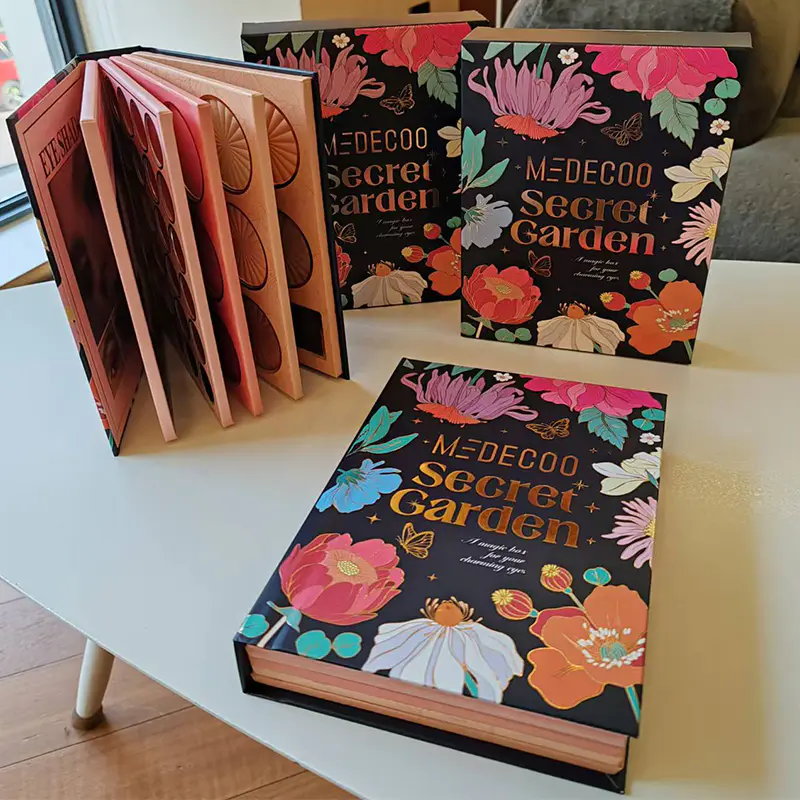
- All-in-One Makeup Book Palette Eyeshadow Palette
- Makeup Kit with Lip Liner And Powder
- Hydrating Cream Finish Italian Marble Sheer Lipstick
- Smudge-Resistant Rouge Hydrating Cream Lipstick
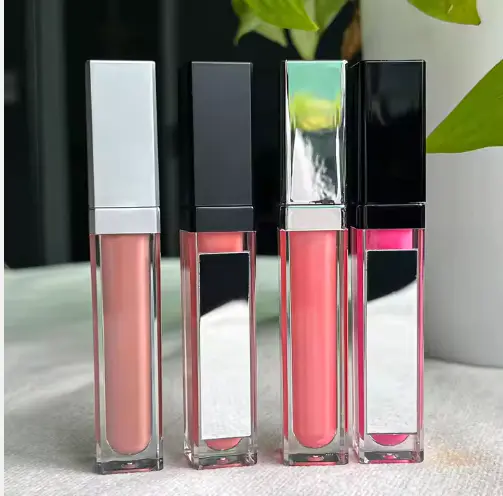
- Heart Shape Juicy Color Lip Glaze With Moisture Essence
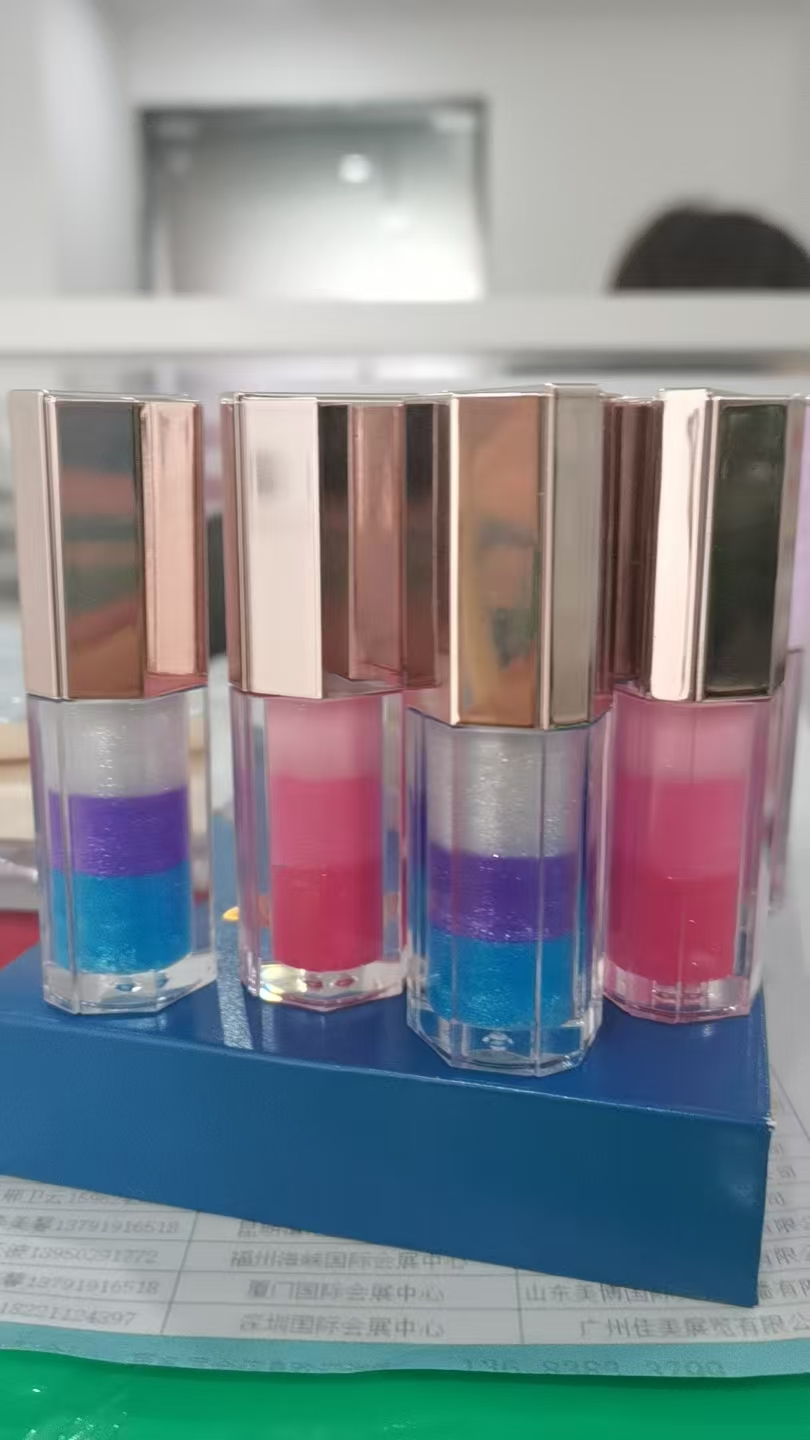
- Transparent Hydrating Plumping Cherry Lip Glow Oil
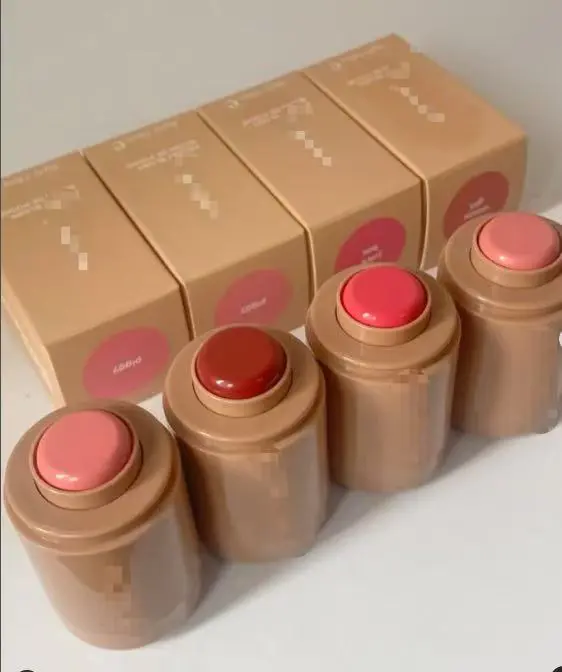
- Hydrating Nudescreen Liquid Blush & Lip Tint
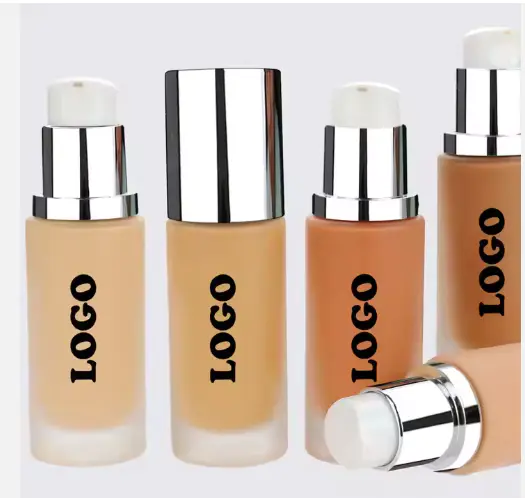
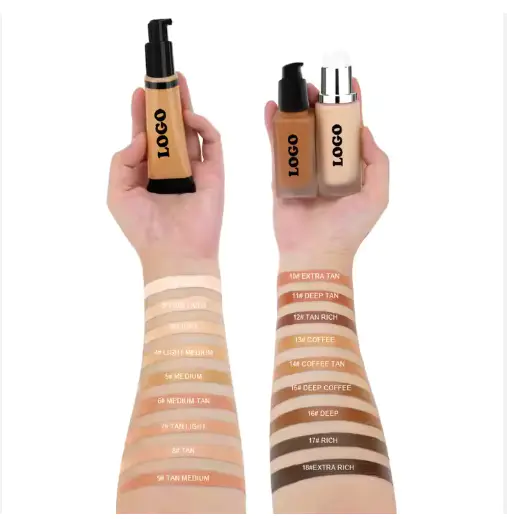
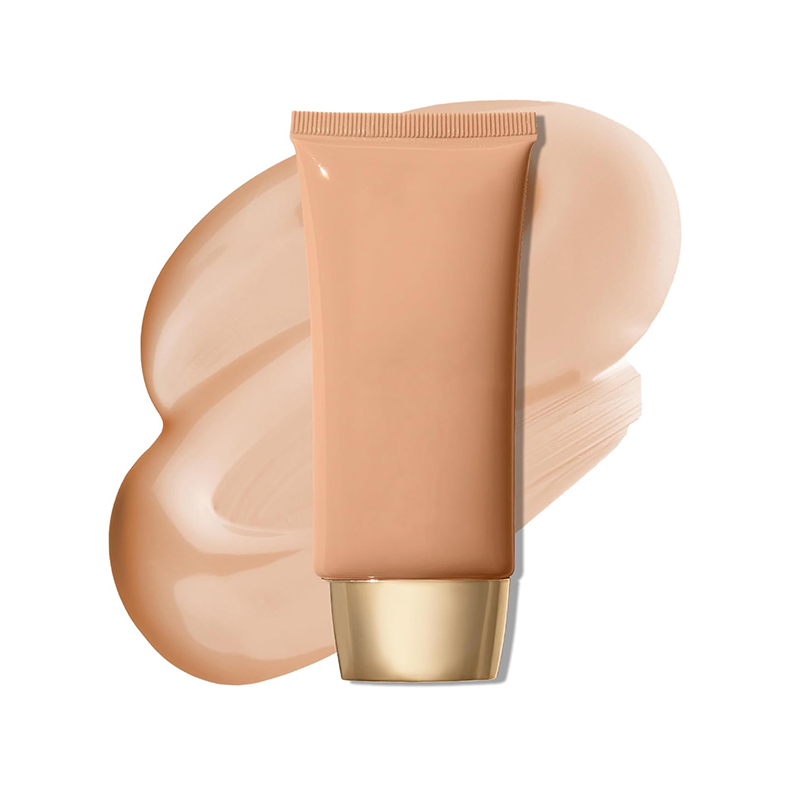
- Moisturizing Medium Coverage Dewy Foundation
- Natural Glow Finish Lightweight Hydrating Foundation


LINKS
PRODUCTS
CONTACT
-
 WhatsApp/Wechat/Phone:
+86-13423654553 -
 [email protected]
-
 No.818 Mingkai Street ,liushi Towm, dongyang City,jinhua, zhejiang, P.R.CHINA
MOBILE SITE
Copyright © Dongyang Qicai Cosmetics Co., Ltd. All Rights Reserved.

