

 Language
 中文简体
中文简体 русский
 Español
 Deutsch
 عربى
عربى Contact Us
Eyeshadow


 0
0
Product
Didn't find the product you like?
We gonna help you find matched one fast
Popular Products
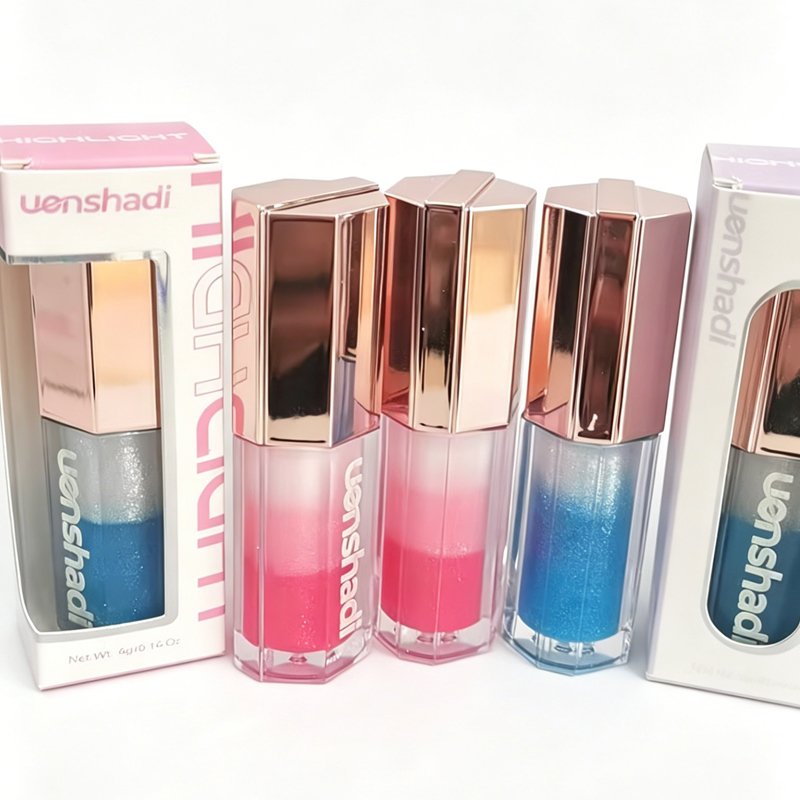
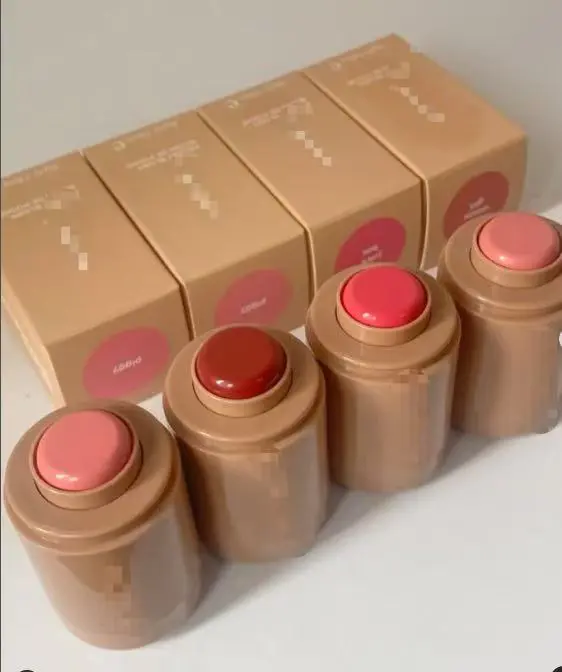
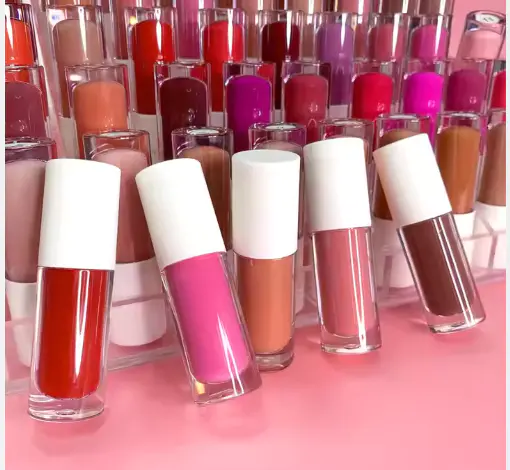
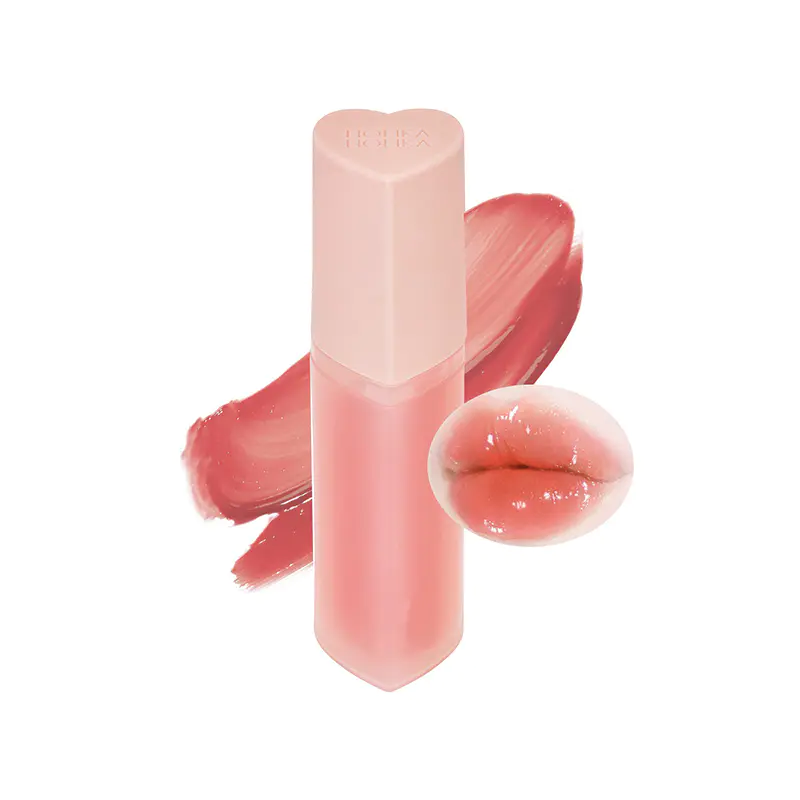
How Can a High-Quality Cosmetics Factory Support Small Batch Production?
2025-12-19
Questions often arise about how a Blush Factory or a High-Quality Cosmetics Factory can accommodate small batch production while still meeting consistent standards. For emerging brands, trial product lines, seasonal shades, or market testing, small batch manufacturing offers flexibility without committing to large inventory. Understanding how a factory organizes equipment, workflow, ingredient preparation, and quality control helps companies decide whether such production options fit their needs.
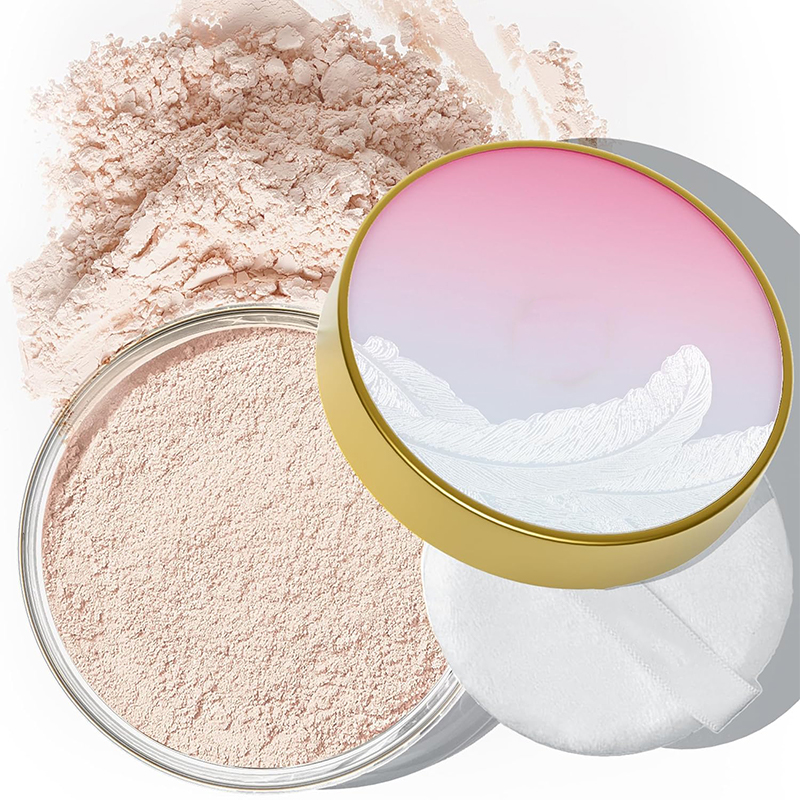
Flexible Equipment Configuration Supports Lower Volume Runs
Factories aiming to handle small batch orders often rely on equipment that can shift between different production scales. Instead of dedicated large mixers or bulk filling systems, they may use modular equipment with adjustable capacity. This allows technicians to prepare smaller quantities of blush powders, creams, or liquids without causing significant material waste.
Flexible equipment setups might include:
Multi-size mixers for powder and emulsion systems
Small-capacity pressing machines for compact blushes
Adjustable filling machines designed for limited runs
Such configurations help control material usage and maintain consistent texture. By allowing quick adjustments, factories avoid lengthy downtime when switching from one shade or formula to another.
Ingredient Management Aligns With the Needs of Small Orders
Small batch production requires a different approach to ingredient handling. Rather than purchasing raw materials in bulk, a factory typically maintains varied inventory levels to support different order sizes. This prevents excessive stock build-up and allows faster response to short-run requests.
Factories often implement:
Precise weighing procedures for pigments and fillers
Storage systems that allow easy access to smaller ingredient quantities
Batch tracking methods that connect raw materials to each production cycle
These practices help maintain steady formulation quality. For blush products, where color accuracy is crucial, having pigments available in controlled quantities supports consistent shade development.
Shorter Production Cycles Allow Faster Adjustment and Testing
Small batch production is often favored when brands need to adjust formulas quickly. A factory that supports this approach typically relies on shorter production loops, where each stage—mixing, pressing, filling, or packaging—can be monitored and modified as needed.
This workflow is especially useful for:
Testing new color combinations
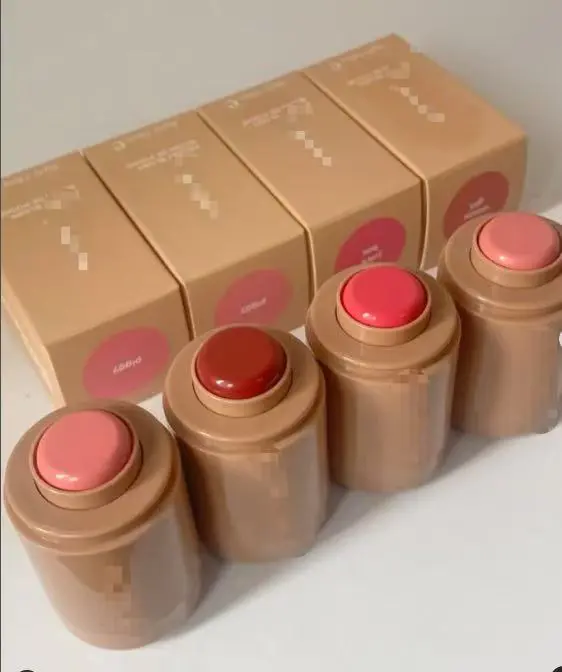
Introducing limited seasonal blush shades
Evaluating feedback from early market releases
Adjusting oil or binder ratios for different climates
Because each batch is smaller, the factory can make timely corrections without disrupting large-scale production schedules. This structure is valuable for brands that update product lines frequently or experiment with niche markets.
Quality Control Methods Are Tailored to Smaller Volumes
Quality checks remain essential regardless of batch size, but factories often adapt their testing routines to accommodate faster turnaround. Instead of testing samples drawn from large batches, technicians evaluate a higher proportion of product from each small run.
This may include:
Color comparison under controlled lighting
Texture assessment using defined pressure or mixing standards
Stability checks for cream and liquid blushes
Verification of packaging compatibility
Adapting the quality control workflow ensures that even small orders maintain predictable performance across different production cycles. It also helps identify any irregularities early, reducing the likelihood of defective products entering circulation.
Packaging Lines Are Adjusted for Limited Quantities
Small batch orders often require more manual or semi-automated packaging solutions. A factory supporting this model typically maintains a flexible packaging area where workers can switch between compact pans, tubes, sticks, or bottles without long changeover times.
Adjustments may include:
Manual labeling for custom test sets
Semi-automated filling for small quantities of liquid or cream blush
Quick-change molds for various compact formats
Packaging checks tailored to limited batches
This approach helps brands explore different packaging styles or update designs without committing to high-volume packaging toolings.
Communication and Technical Support Play a Key Role
Factories offering small batch production generally establish direct communication channels with clients, particularly during early formulation stages. This collaboration helps clarify expectations, color targets, performance needs, and texture preferences.
Technical support may include:
Sharing sample variations for comparison
Explaining how ingredient substitutions may affect texture
Providing guidance on how shade adjustments may impact cost
Offering feasibility assessments for unique packaging ideas
Such communication ensures that each small batch aligns with brand objectives. For blush products, where undertone accuracy is essential, responsive communication helps avoid delays and repeated adjustments.
Related Product
- Custom Cost-Effective Multifunctional cosmetics set
- Beautifully Packaged Multifunctional Cosmetics Set
- 18 Colors Professional Makeup Eyeshadow Pallate
- All-in-One Makeup Book Palette Eyeshadow Palette
- Makeup Kit with Lip Liner And Powder
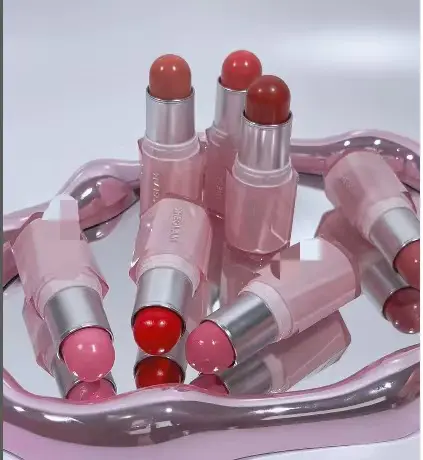
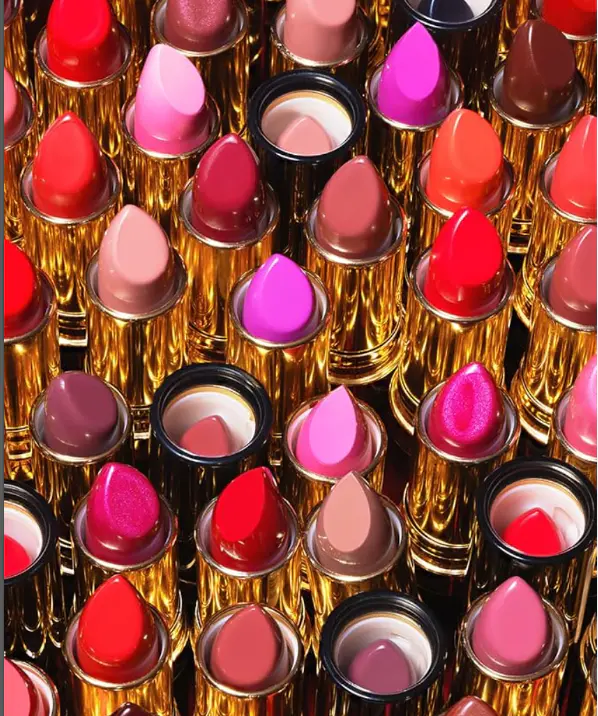
- Hydrating Cream Finish Italian Marble Sheer Lipstick
- Smudge-Resistant Rouge Hydrating Cream Lipstick
- Heart Shape Juicy Color Lip Glaze With Moisture Essence
- Transparent Hydrating Plumping Cherry Lip Glow Oil
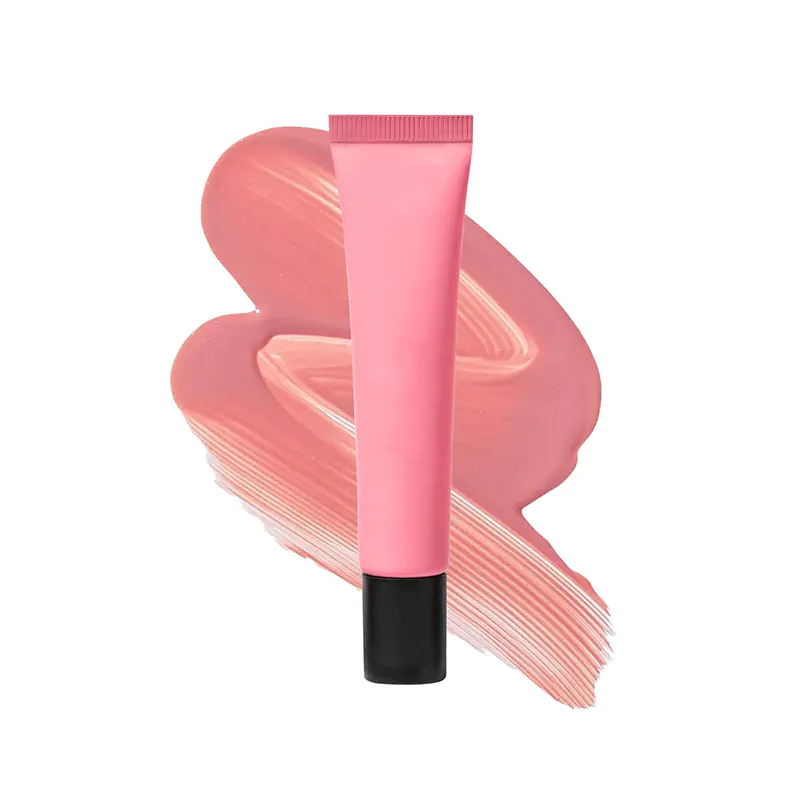
- Hydrating Nudescreen Liquid Blush & Lip Tint
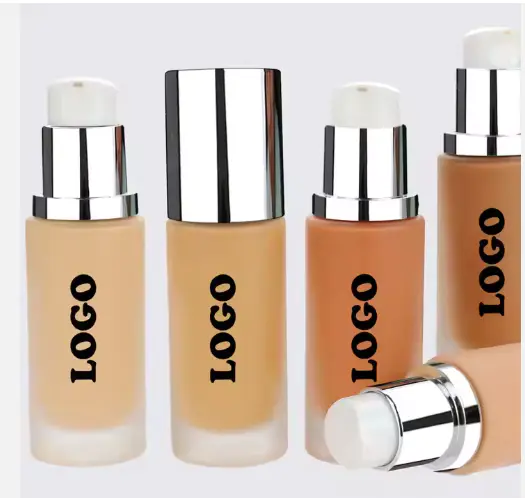
- Moisturizing Medium Coverage Dewy Foundation
- Natural Glow Finish Lightweight Hydrating Foundation


LINKS
PRODUCTS
CONTACT
-
 WhatsApp/Wechat/Phone:
+86-13423654553 -
 [email protected]
-
 No.818 Mingkai Street ,liushi Towm, dongyang City,jinhua, zhejiang, P.R.CHINA
MOBILE SITE
Copyright © Dongyang Qicai Cosmetics Co., Ltd. All Rights Reserved.

