

 Language
 中文简体
中文简体 русский
 Español
 Deutsch
 عربى
عربى Contact Us
Eyeshadow


 0
0
Product
Didn't find the product you like?
We gonna help you find matched one fast
Popular Products

Where Does a Blush Factory Source Ingredients for Long-Wear Formulations?
2025-12-12
Questions about where a Blush Factory or a High-Quality Cosmetics Factory obtains ingredients for long-wear formulations often arise when customers try to understand why different blush products behave differently on the skin. Ingredient origins directly shape texture, color consistency, blendability, and overall product durability. For manufacturers, sourcing decisions go well beyond choosing a pigment or base oil; they involve evaluating global suppliers, regulatory requirements, and compatibility with long-wear technologies. Understanding how ingredient sourcing works helps users and brand owners make informed decisions about product quality and expectations.
Pigment Suppliers Form the Starting Point for Long-Wear Development
For blush formulations designed to maintain color throughout the day, pigments remain the foundation. Factories commonly collaborate with colorant suppliers that specialize in cosmetic-grade powders meeting regional regulatory standards. These pigments may come from mineral sources, surface-treated synthetics, or composite blends created to support better adhesion and smoother distribution.
A factory typically evaluates:
Particle uniformity
Dispersion behavior
Color intensity stability under light and heat
Interaction with binding agents
Such assessments help determine whether a pigment maintains a consistent appearance after hours of wear or begins to fade or shift tone. Some suppliers also offer surface-coated pigments that interact more steadily with oils and waxes in long-wear systems.
Emollients and Oils Are Sourced Based on Their Interaction With Pigments
Long-wear blush formulas—whether powder, cream, or liquid—depend on how oils and emollients carry pigments. Ingredient origin plays a large role here. While some factories source plant-derived oils for smoother spreadability, others choose synthetic esters that remain stable under temperature changes and resist oxidation.
Factories typically look for:
Oils with predictable absorption rates
Esters that support even pigment distribution
Emollients that provide consistency during extended wear
These materials often come from specialized chemical suppliers with traceable quality control systems. Reliable sourcing of these ingredients allows factories to maintain steady production batches without sudden texture changes.
Binders and Film-Formers Often Come From Specialized Chemical Producers
For blush products intended to stay in place, binding agents or film-formers are essential. These materials help pigments adhere to the skin without migrating or noticeably settling into lines.
Factories evaluate film-forming agents based on criteria such as:
Flexibility once dry
Interaction with sweat or humidity
Compatibility with colorants and base oils
Many binders and film-formers originate from chemical manufacturers that supply the broader cosmetics industry. Factories usually request detailed safety documentation and stability data before introducing a new ingredient into long-wear formulas. These materials tend to determine whether the blush creates a uniform layer on the skin or breaks apart after several hours.
Fillers and Texturizers Are Sourced to Support Smooth Application
Fillers such as talc, mica, silica, or synthetic polymers help adjust texture, improve blendability, and support a steady distribution of pigments. Their sourcing determines how refined the final texture feels and how effectively the product spreads across the skin.
A blush manufacturer typically considers:
Source purity
Particle size control
Sensory characteristics
Compatibility with pressure levels used during powder pressing
Suppliers often offer multiple grades of the same material, so factories test several options to find the one that supports long-wear performance without compromising comfort. For example, a filler with a controlled particle shape may reduce the likelihood of uneven fading.
Waxes and Solid Carriers Shape the Structure of Cream and Stick Blushes
For non-powder formulations, waxes serve as structural ingredients that influence how pigments stay suspended throughout the product. Factories obtain waxes from both natural sources—such as plant or fruit waxes—and synthetic suppliers offering waxes with specific melting points.
Selection usually focuses on:
Melting behavior
Textural consistency across temperature changes
Stability when combined with oils and esters
A wax that melts too easily may allow pigments to migrate, while one that remains too firm can create uneven color payoff. For long-wear purposes, sourcing waxes with stable melting profiles helps maintain predictable behavior during application.
Preservatives and Stabilizers Are Chosen Based on Regulatory Guidance
Even in powder blushes, preservatives or stabilizers may be required to keep the formula stable during storage. These ingredients generally come from global suppliers specializing in cosmetic-grade stabilizing systems.
Related Product
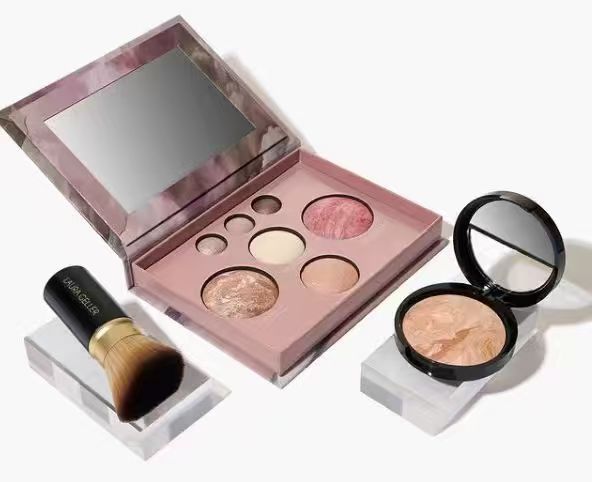
- Custom Cost-Effective Multifunctional cosmetics set
- Beautifully Packaged Multifunctional Cosmetics Set
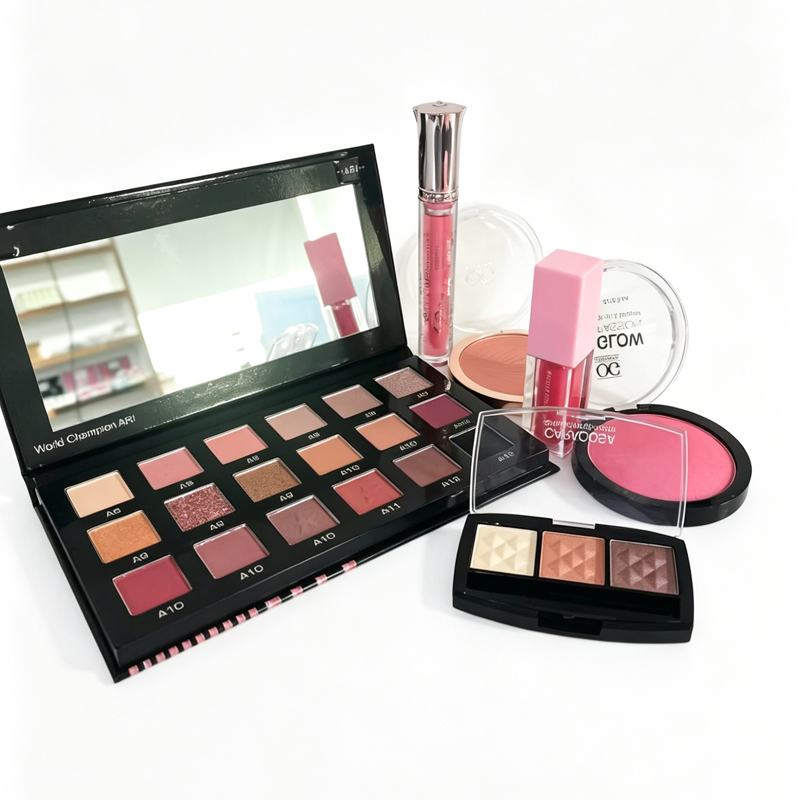
- 18 Colors Professional Makeup Eyeshadow Pallate
- All-in-One Makeup Book Palette Eyeshadow Palette
- Makeup Kit with Lip Liner And Powder
- Hydrating Cream Finish Italian Marble Sheer Lipstick
- Smudge-Resistant Rouge Hydrating Cream Lipstick
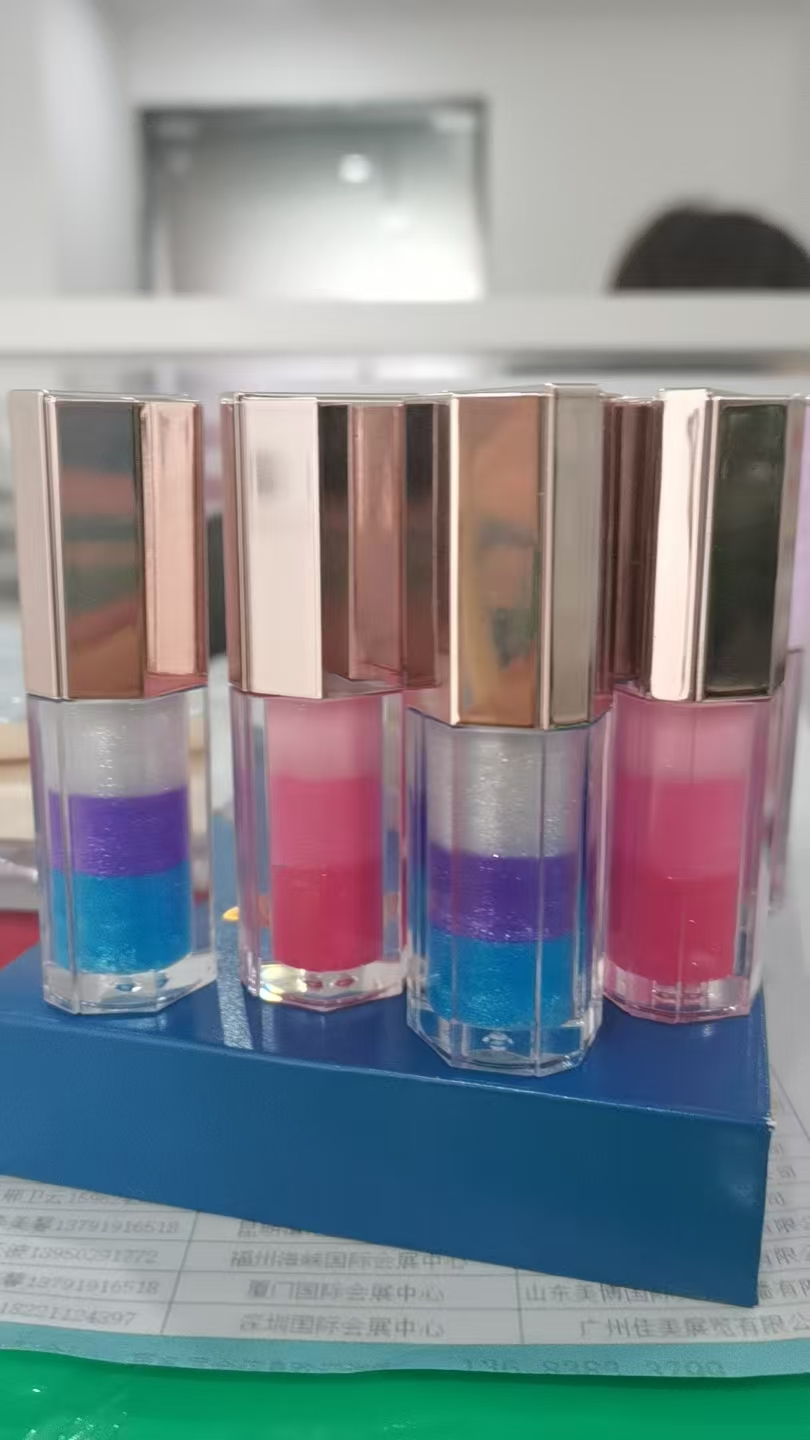
- Heart Shape Juicy Color Lip Glaze With Moisture Essence
- Transparent Hydrating Plumping Cherry Lip Glow Oil
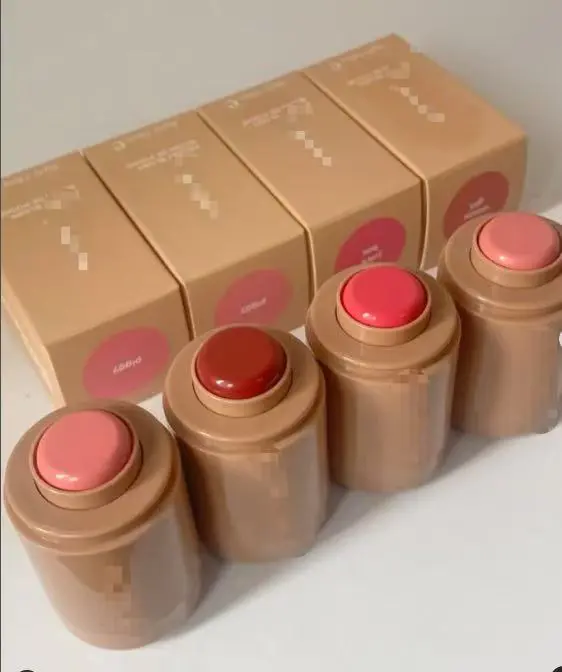
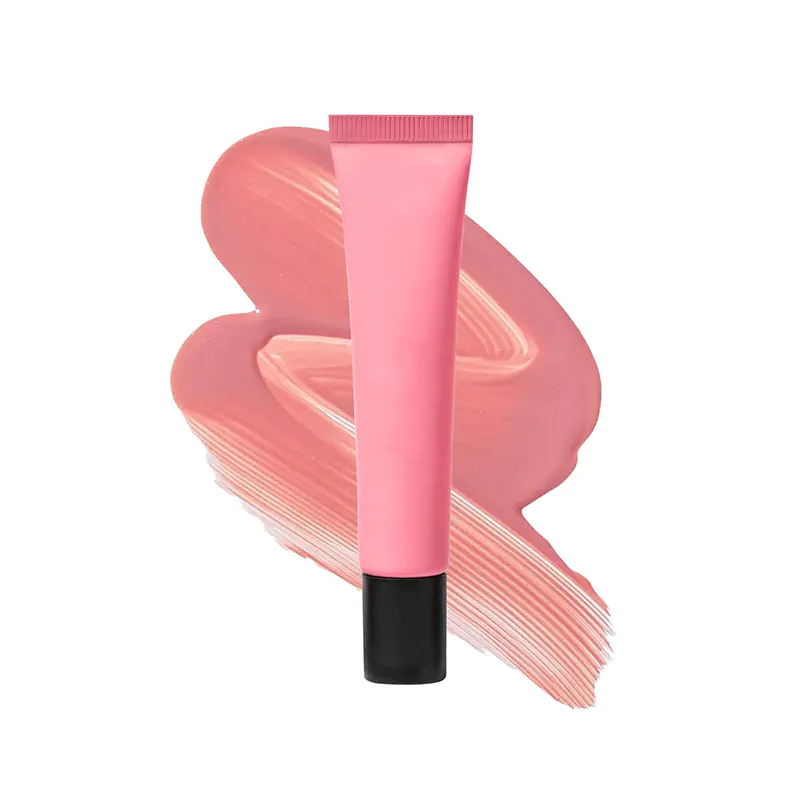
- Hydrating Nudescreen Liquid Blush & Lip Tint
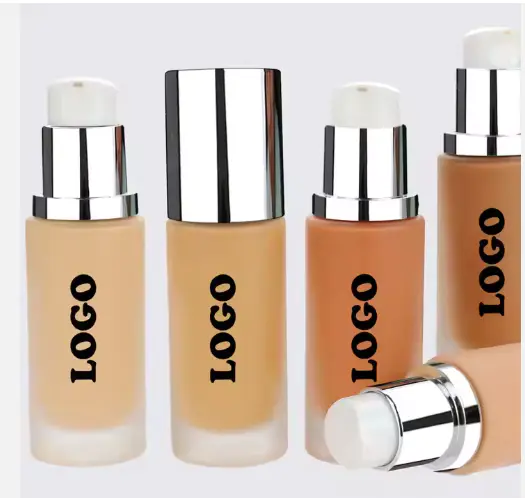
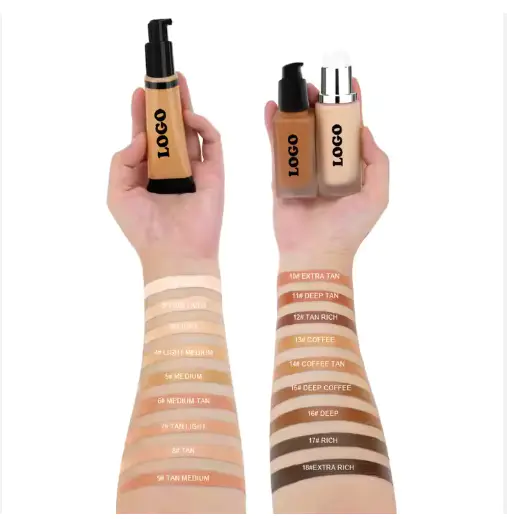
- Moisturizing Medium Coverage Dewy Foundation
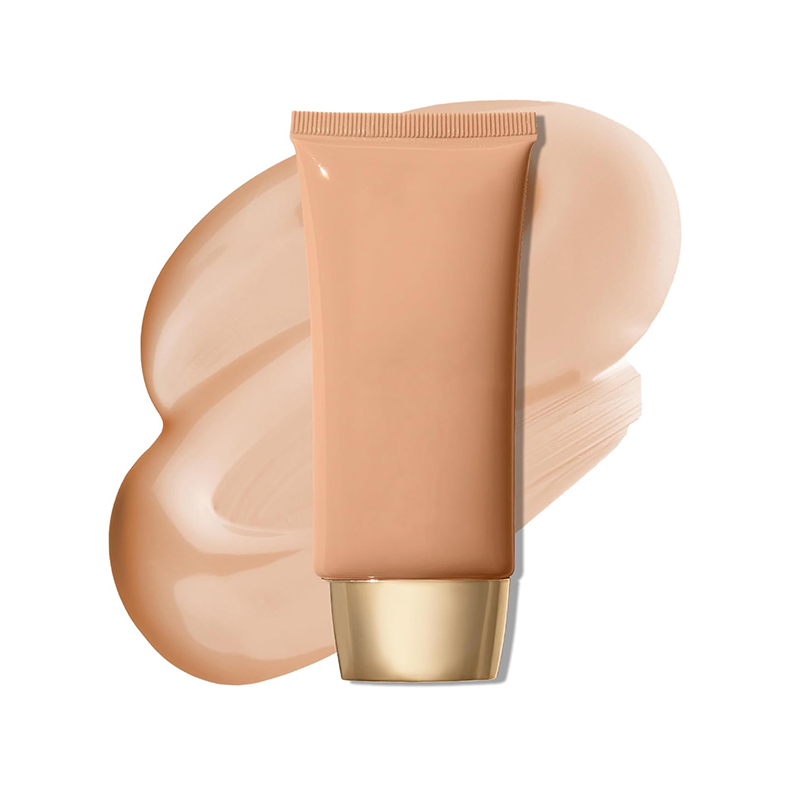
- Natural Glow Finish Lightweight Hydrating Foundation



LINKS
PRODUCTS
CONTACT
-
 WhatsApp/Wechat/Phone:
+86-13423654553 -
 [email protected]
-
 No.818 Mingkai Street ,liushi Towm, dongyang City,jinhua, zhejiang, P.R.CHINA
MOBILE SITE
Copyright © Dongyang Qicai Cosmetics Co., Ltd. All Rights Reserved.

