

 Language
 中文简体
中文简体 русский
 Español
 Deutsch
 عربى
عربى Contact Us
Eyeshadow


 0
0
Product
Didn't find the product you like?
We gonna help you find matched one fast
Popular Products


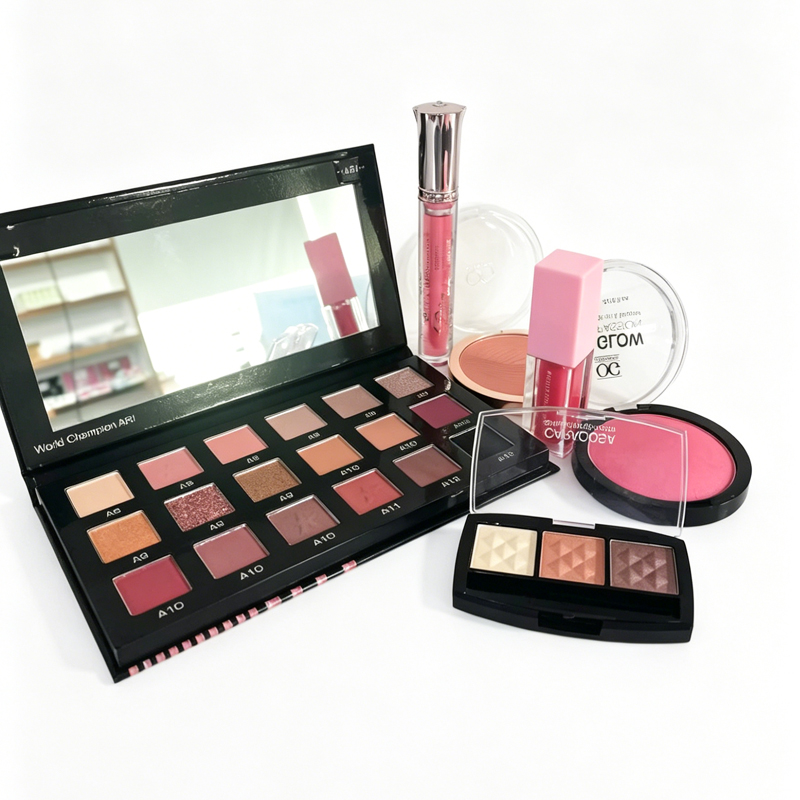

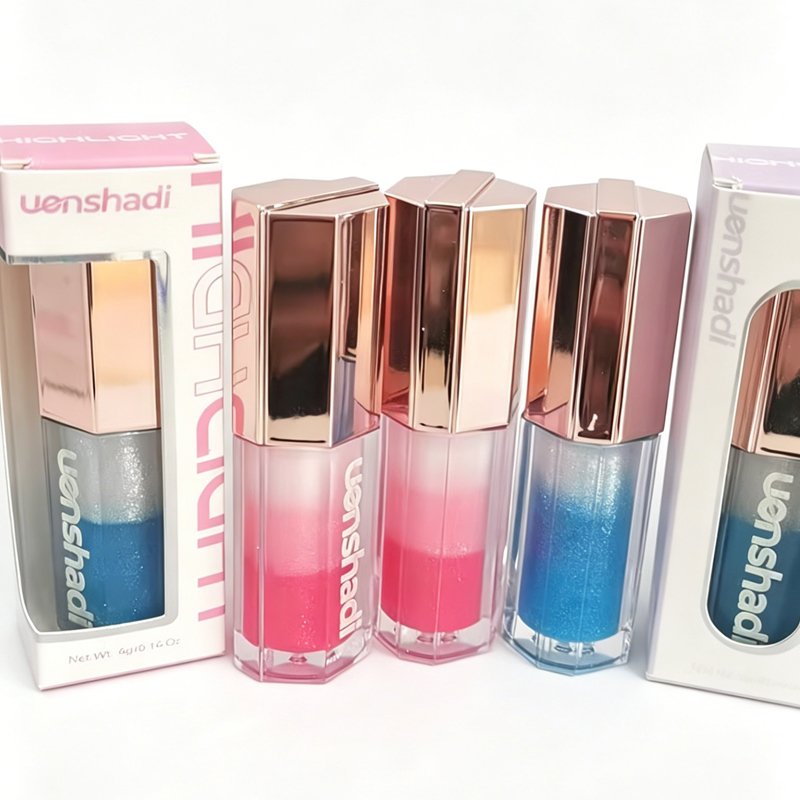
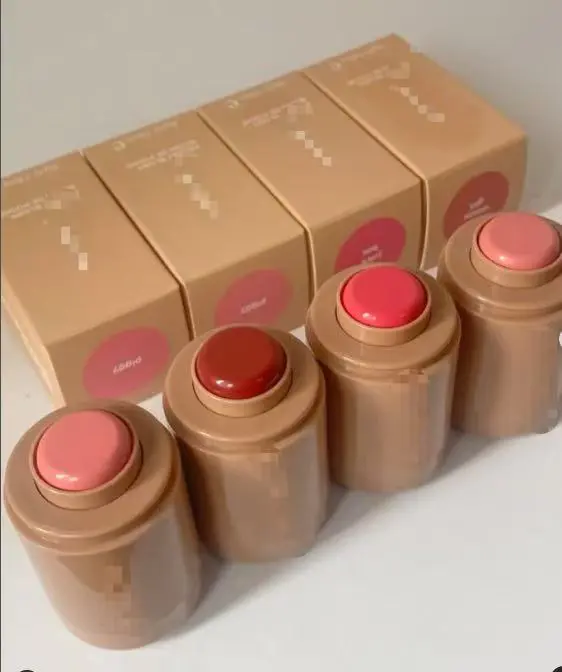
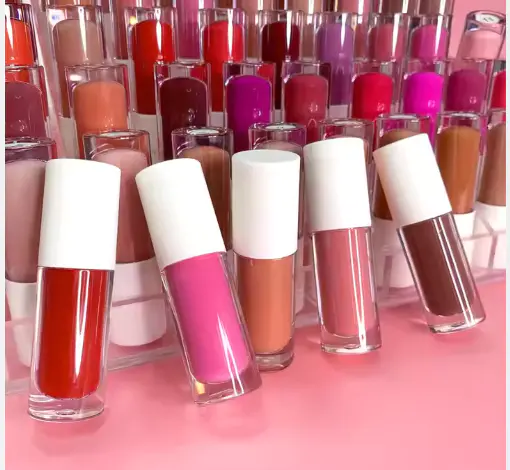
What Helps a Blush Factory Maintain Stable Pigment Performance Over Time?
2025-12-05
Smooth production workflows in both a Blush Factory and a High-Quality Cosmetics Factory often depend on how consistently pigments behave during storage, processing, and long-term use. Many users notice changes in shade intensity or texture after products sit for months, and manufacturers face similar challenges during formulation and mass production. Stable pigment performance is not only a matter of selecting colorants; it involves the entire chain from raw material handling to packaging. Understanding these factors helps buyers, brand owners, and distributors evaluate what supports dependable color results over time.
Consistency Starts With Controlled Raw Material Handling
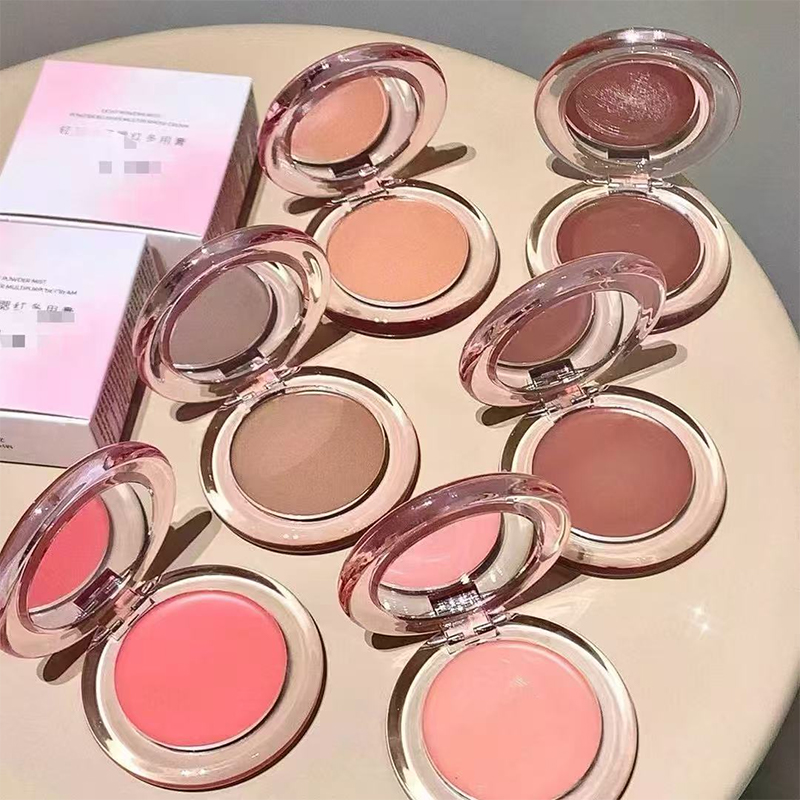
One reason pigments shift during later stages is the way raw materials are received and stored. Pigment powders can absorb moisture, react with air exposure, or clump under unstable humidity conditions. A blush production line that pays attention to sealed storage containers, controlled humidity rooms, and batch-tracking systems usually encounters fewer issues during blending.
Quality teams often check particle size distribution because uneven size can create streaking or patchy application later. Even before formulation begins, technicians typically sieve pigments or perform pre-mixing tests to reduce texture differences. These steps may look simple, yet they often prevent shade drift during long storage periods.
Formulation Choices Strongly Influence Long-Term Shade Behavior
Once pigments enter the mixing stage, their interaction with oils, binders, and fillers becomes the main factor affecting stability. A blush product relies on a balance between color payoff, smooth application, and long-wear characteristics. If the base ingredients separate or absorb moisture over time, the attached pigments may shift in appearance.
Chemists often evaluate:
Compatibility between oil phases and pigments
Binding capacity of chosen emulsifiers
Wetting agents that help pigments disperse evenly
Fillers that support a uniform surface
When these interactions are aligned, the pigment network becomes more stable, which supports consistent color during shelf life. Even minor ingredient adjustments can influence how pigments behave months later, so many factories run small-scale tests before approving a final blend.
Equipment Calibration Plays a Direct Role in Pigment Distribution
Production equipment influences pigment stability more than many users expect. Mixers, grinding mills, homogenizers, and sifters require regular calibration to maintain predictable particle breakdown and dispersion quality.
If a mixer rotates with slight deviation in speed or a mill operates with worn components, the final batch may show uneven pigment spreading. This inconsistency tends to reveal itself later during storage or use, when pigments separate or settle differently in the pan.
Routine verification of:
Mixer blade sharpness
Grinding clearance settings
Temperature generated during milling
Mixing time accuracy
helps maintain smoother blends. This mechanical stability is especially important when producing blush in large batches, where even small equipment variations can affect shade appearance.
Environmental Control During Production Helps Reduce Texture Fluctuations
Humidity and temperature control inside the production area support predictable pigment performance. High humidity may encourage clumping or moisture absorption, while fluctuating temperatures can influence how binding ingredients behave.
A controlled production space usually includes:
Air filtration to reduce airborne contamination
Temperature-regulated rooms for pigment handling
Dehumidifiers for seasons with high moisture
Ventilation systems that maintain stable airflow
These factors help ensure that every blend cycle begins under similar conditions, which reduces pigment variations from one batch to another.
Pressing and Filling Techniques Affect How Pigments Hold Up Over Months
For powder blushes, the final pressing stage is more than a shaping process—it affects the stability of the pigment distribution. If pressure is uneven or too high, the product may harden over time, causing uneven pickup when users apply it with a brush.
Factories typically adjust:
Press pressure
Binder level
Pan surface treatment
Pressing cycle duration
This helps maintain a texture that stays consistent throughout the product’s expected shelf period. For cream or liquid blushes, filling equipment needs careful temperature and flow-rate control to avoid pigment settling.
Testing Methods Provide Insight Into Pigment Longevity
A blush may look perfect during early production, yet its behavior after months of storage can differ. Stability testing offers insight into this. In a cosmetics factory, tests often simulate a range of environmental situations, checking whether pigments separate, darken, lighten, or shift undertone.
Related Product
- Custom Cost-Effective Multifunctional cosmetics set
- Beautifully Packaged Multifunctional Cosmetics Set
- 18 Colors Professional Makeup Eyeshadow Pallate
- All-in-One Makeup Book Palette Eyeshadow Palette
- Makeup Kit with Lip Liner And Powder
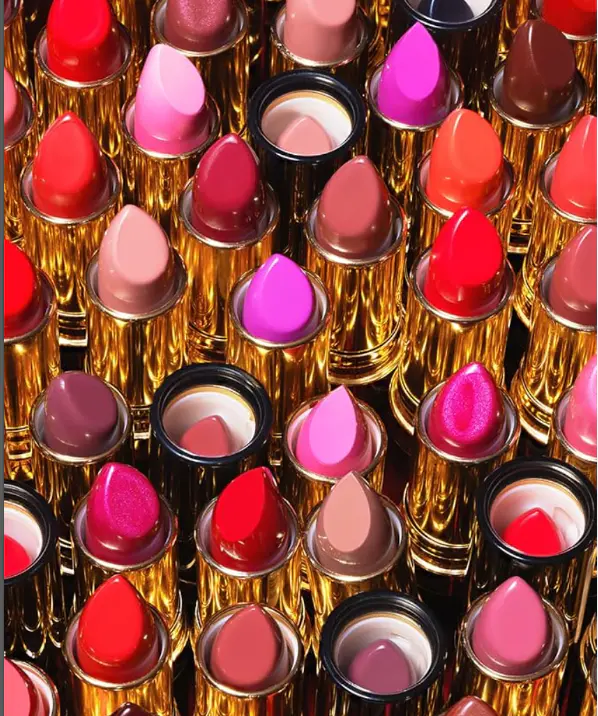
- Hydrating Cream Finish Italian Marble Sheer Lipstick
- Smudge-Resistant Rouge Hydrating Cream Lipstick
- Heart Shape Juicy Color Lip Glaze With Moisture Essence
- Transparent Hydrating Plumping Cherry Lip Glow Oil
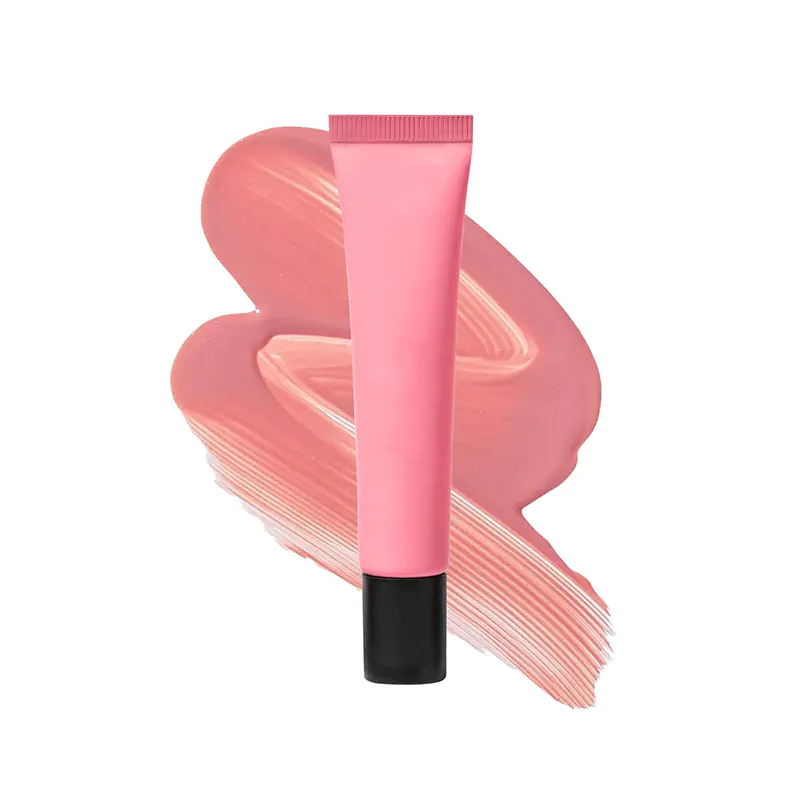
- Hydrating Nudescreen Liquid Blush & Lip Tint
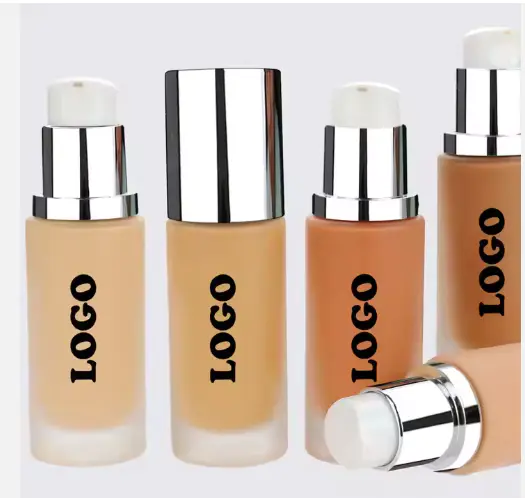
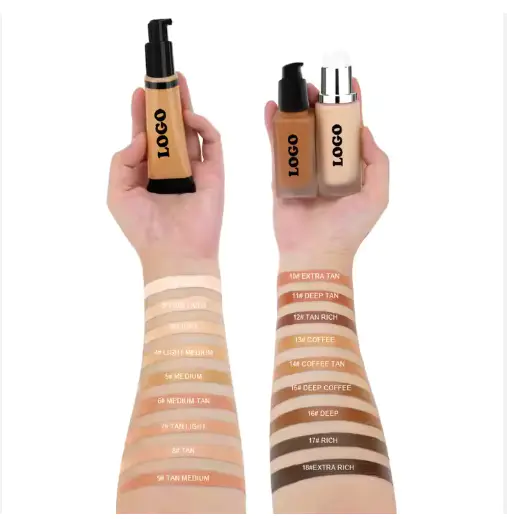
- Moisturizing Medium Coverage Dewy Foundation
- Natural Glow Finish Lightweight Hydrating Foundation




LINKS
PRODUCTS
CONTACT
-
 WhatsApp/Wechat/Phone:
+86-13423654553 -
 [email protected]
-
 No.818 Mingkai Street ,liushi Towm, dongyang City,jinhua, zhejiang, P.R.CHINA
MOBILE SITE
Copyright © Dongyang Qicai Cosmetics Co., Ltd. All Rights Reserved.

