

 Language
 中文简体
中文简体 русский
 Español
 Deutsch
 عربى
عربى Contact Us
Eyeshadow


 0
0
Product
Didn't find the product you like?
We gonna help you find matched one fast
Popular Products
Where Do Contouring Stick Manufacturer Testing Standards Matter?
2026-01-23
Behind every contour stick that applies smoothly and blends evenly, there is a structured testing process shaping its final form. For brands working with a High-Quality Cosmetics Factory or evaluating a Contouring Stick Manufacturer, testing standards are not abstract procedures hidden in laboratories. They directly affect how a product feels, looks, and performs in real daily use. Understanding where these standards matter helps buyers and product developers assess quality beyond surface descriptions.
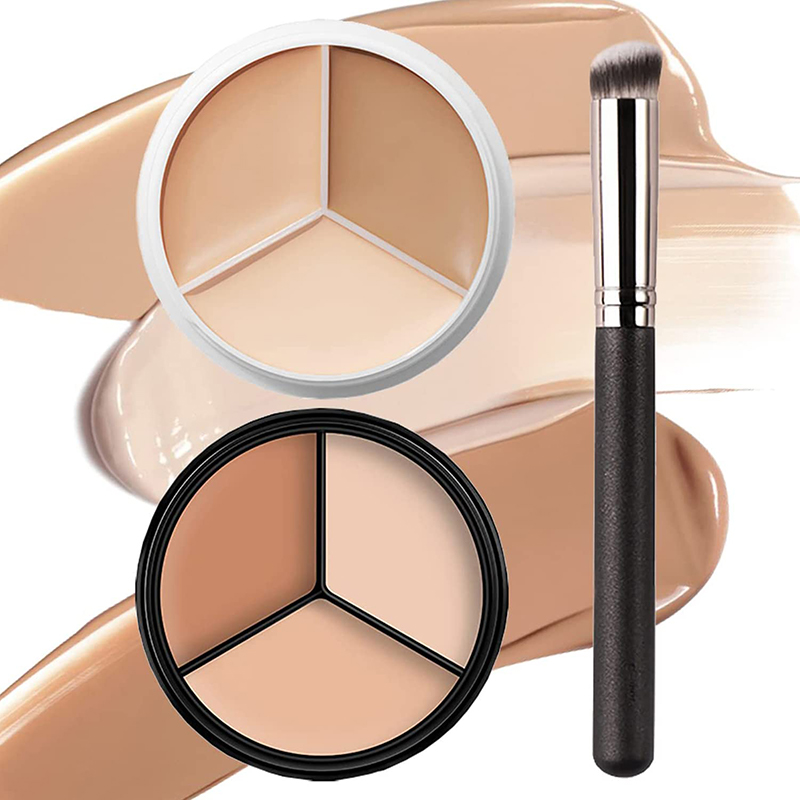
Testing Begins at Raw Material Selection
Testing standards matter long before a contour stick reaches the production line. A Contouring Stick Manufacturer starts by evaluating raw materials such as pigments, waxes, and emollients. Each ingredient is reviewed for consistency, compatibility, and stability within the formula. Variations in pigment particle size or oil absorption can alter how a contour shade appears on the skin.
In a High-Quality Cosmetics Factory, raw material testing helps confirm that incoming batches match internal specifications. This step supports color consistency and texture uniformity, especially for Medium/Tan contour sticks where subtle shifts in tone can become noticeable after application. Without this early-stage testing, later adjustments become more difficult and less predictable.
Formula Stability and Texture Evaluation
Once raw materials are approved, testing standards guide formula development. Texture testing examines how the contour stick behaves under pressure, friction, and blending. A formula that appears stable in the lab may soften, harden, or separate over time if not properly evaluated.
Manufacturers test contour sticks under controlled conditions that simulate storage and daily handling. These tests help identify changes in texture that could affect application. In a High-Quality Cosmetics Factory, stability testing ensures that the product maintains its intended structure throughout its shelf life rather than changing noticeably after weeks or months of use.
Color Consistency Across Production Batches
A Contouring Stick Manufacturer must ensure that each production batch matches the approved shade reference. Even minor pigment variations can create visible differences when products are placed side by side.
Testing protocols include visual comparison, instrumental color measurement, and application tests on skin-toned surfaces. In a High-Quality Cosmetics Factory, these steps help confirm that Medium/Tan contour sticks remain consistent across multiple production runs. For brands selling internationally, this consistency reduces the risk of customer dissatisfaction caused by unexpected shade differences.
Performance Testing in Real Application Scenarios
Laboratory evaluations alone are not enough. Testing standards matter when formulas are applied in realistic conditions. Contour sticks are tested on different skin types, over various base products, and using common application tools.
A Contouring Stick Manufacturer observes how the product spreads, blends, and settles during wear. These tests do not aim to exaggerate performance claims but to identify practical behaviors such as streaking, uneven fading, or interaction with foundation. In a High-Quality Cosmetics Factory, this data helps refine formulas so they behave predictably in everyday routines.
Wear and Transfer Observation
Testing standards also address how contour sticks behave over time. Wear observation examines whether the product shifts, smudges, or transfers during normal facial movement. This testing is conducted under typical conditions rather than controlled extremes.
Manufacturers evaluate how the formula responds to skin oils, light perspiration, and incidental contact. A Contouring Stick Manufacturer uses these findings to adjust wax-to-oil ratios or pigment dispersion. In a High-Quality Cosmetics Factory, this process supports balanced wear without overstating durability or making unsupported claims.
Packaging Compatibility Testing
Contour sticks are inseparable from their packaging. Testing standards extend to how the formula interacts with its container. Twist mechanisms, caps, and internal components are evaluated to ensure smooth operation and proper protection of the product.
Packaging tests help identify issues such as product breakage, drying, or residue buildup. For dual-ended contour sticks, alignment between both ends is especially important. A Contouring Stick Manufacturer relies on these tests to confirm that the product remains usable and intact throughout its intended lifespan.
Temperature and Transport Simulation
Contour sticks often travel through varying climates before reaching consumers. Testing standards matter when evaluating how formulas respond to temperature changes during shipping and storage. Exposure to heat or cold can affect texture and appearance.
In a High-Quality Cosmetics Factory, temperature simulation tests help identify potential risks such as softening, sweating, or cracking. These evaluations support packaging and formulation decisions that reduce unwanted changes without altering the core product experience.
Microbiological and Safety Testing
Safety testing is a foundational requirement rather than a marketing point. A Contouring Stick Manufacturer conducts microbiological testing to assess whether the product remains stable and hygienic during normal use. These tests are particularly important for cream-based formulas that come into direct contact with skin.
A High-Quality Cosmetics Factory follows regulatory guidelines for preservative effectiveness and contamination control. This ensures that contour sticks meet safety expectations in different markets without relying on excessive additives.
Related Product
- Custom Cost-Effective Multifunctional cosmetics set
- Beautifully Packaged Multifunctional Cosmetics Set
- 18 Colors Professional Makeup Eyeshadow Pallate
- All-in-One Makeup Book Palette Eyeshadow Palette
- Makeup Kit with Lip Liner And Powder
- Hydrating Cream Finish Italian Marble Sheer Lipstick
- Smudge-Resistant Rouge Hydrating Cream Lipstick
- Heart Shape Juicy Color Lip Glaze With Moisture Essence
- Transparent Hydrating Plumping Cherry Lip Glow Oil
- Hydrating Nudescreen Liquid Blush & Lip Tint
- Moisturizing Medium Coverage Dewy Foundation
- Natural Glow Finish Lightweight Hydrating Foundation


LINKS
PRODUCTS
CONTACT
-
 WhatsApp/Wechat/Phone:
+86-13423654553 -
 [email protected]
-
 No.818 Mingkai Street ,liushi Towm, dongyang City,jinhua, zhejiang, P.R.CHINA
MOBILE SITE
Copyright © Dongyang Qicai Cosmetics Co., Ltd. All Rights Reserved.

