

 Language
 中文简体
中文简体 русский
 Español
 Deutsch
 عربى
عربى Contact Us
Eyeshadow


 0
0
Product
Didn't find the product you like?
We gonna help you find matched one fast
Popular Products
Why Are Eyeshadow Palette and Eyeshadow Palette Factory Evolving?
2026-03-13
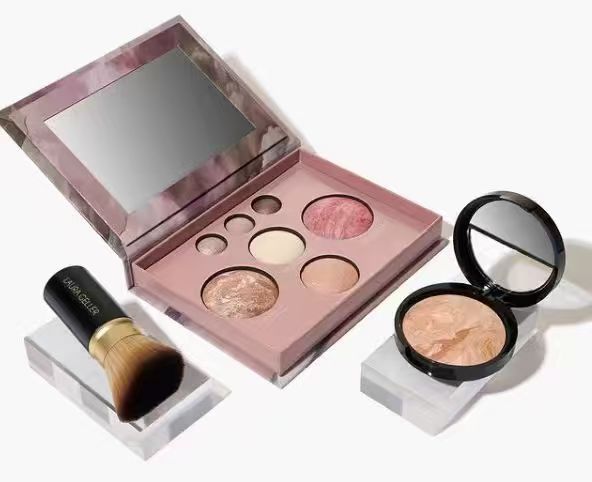
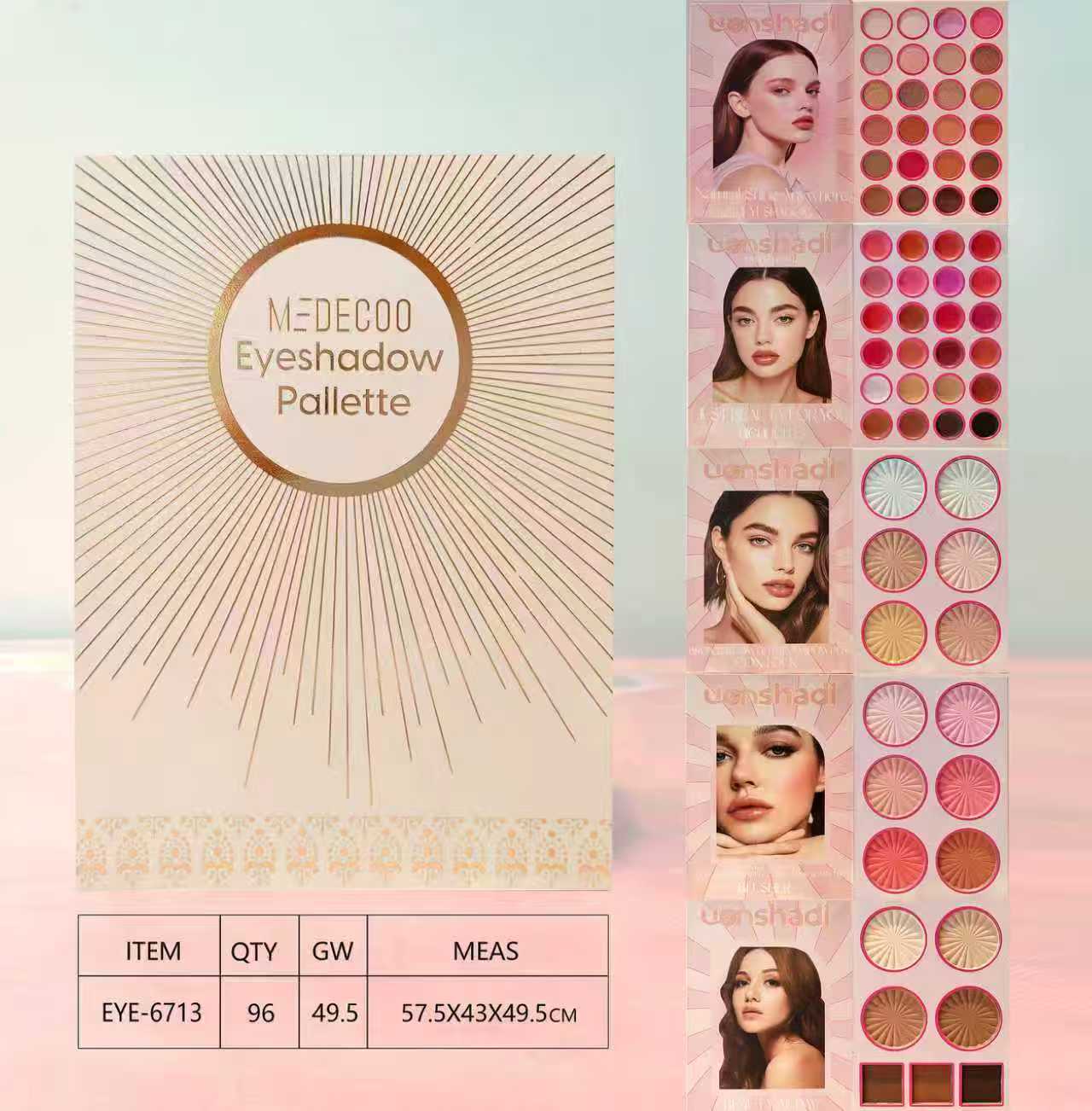
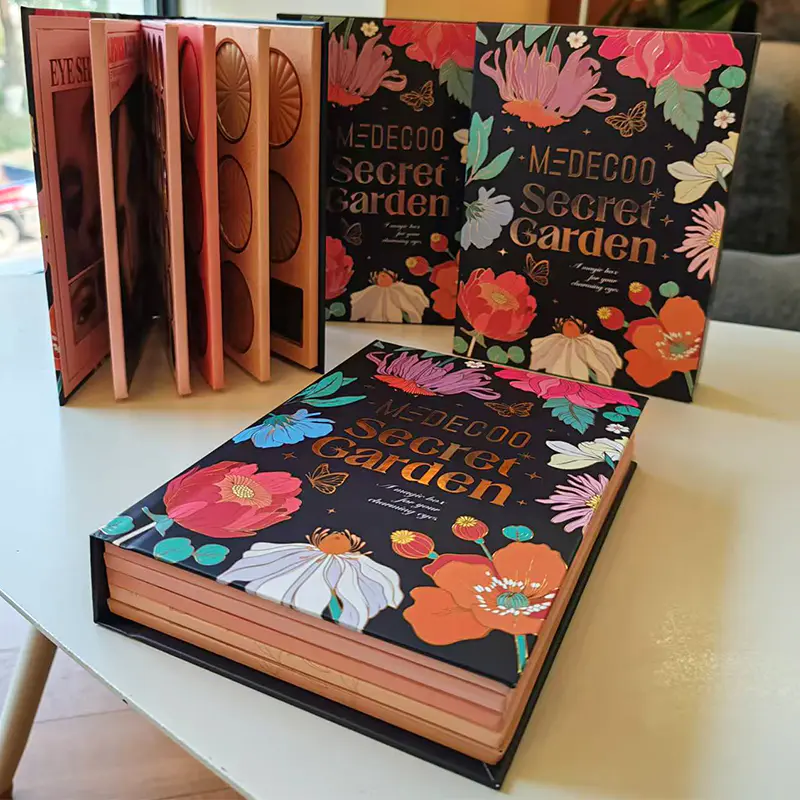
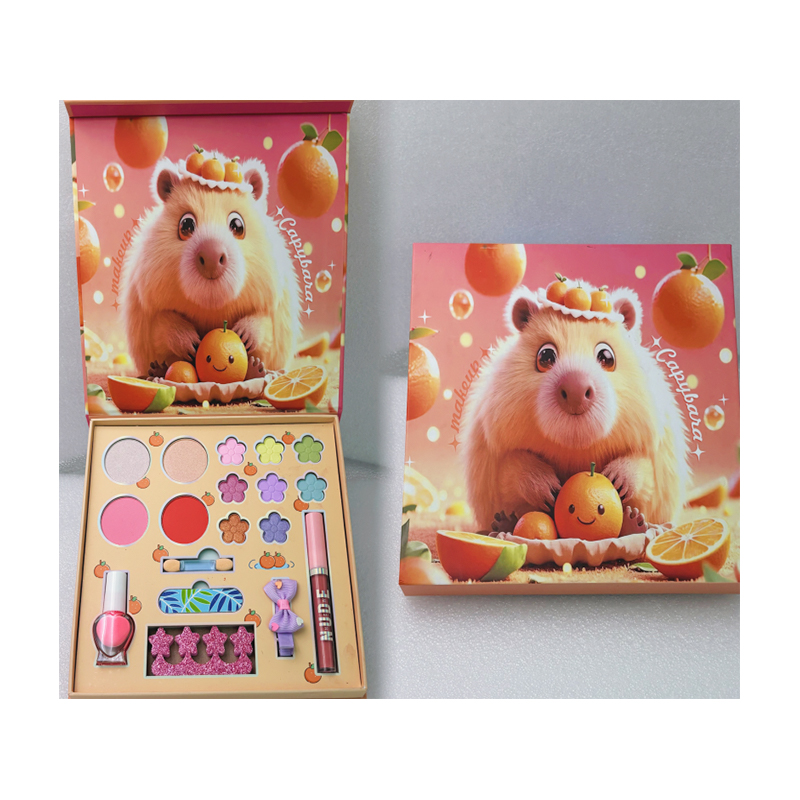
The revival of Eyeshadow Palette and Eyeshadow Palette Factory production reflects both nostalgia and practical innovation. While oversized palettes that were popular around 2016 evoke memories of vibrant, multi-shade designs, today’s consumers often prefer smaller, curated collections. This shift has prompted factories to rethink production strategies, balancing homage to classic palettes with contemporary formulation, packaging, and usability considerations.
Why Are Smaller Curated Palettes Gaining Popularity?
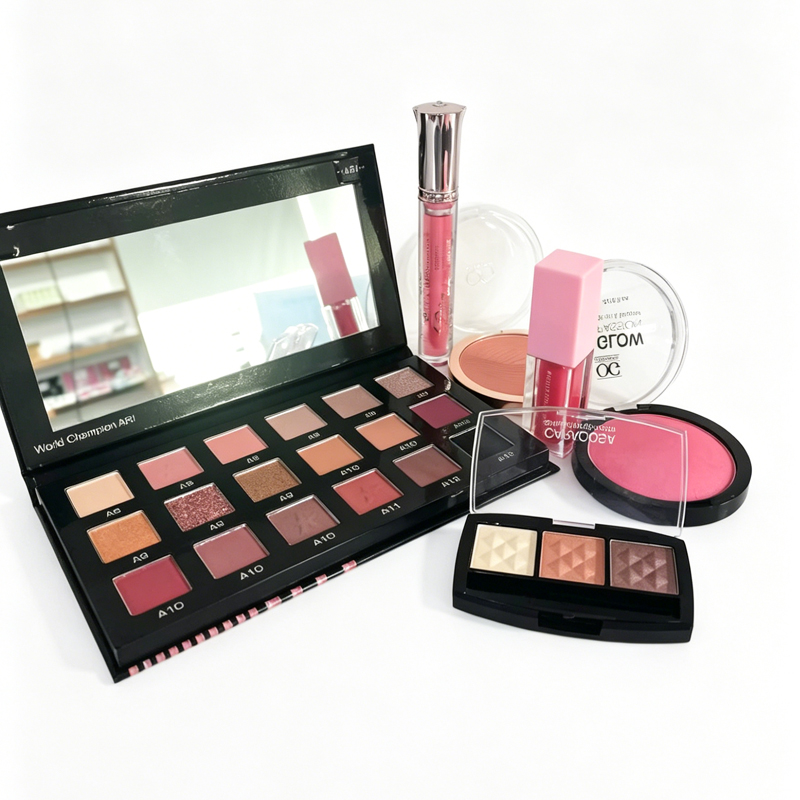
Oversized palettes with ten, fifteen, or even twenty shades were once celebrated for their variety, but consumer behavior has shifted toward more compact, thoughtfully assembled options. Modern palettes often feature four to six shades, carefully chosen to form a cohesive color story. This approach simplifies application while maintaining versatility, allowing users to achieve multiple looks without overwhelming complexity.
Factories producing eyeshadow palettes now focus on refining shade selection and layout. By concentrating on a smaller number of complementary colors, the product supports practical use and easier handling. Additionally, modern formulations provide smoother textures, improved blendability, and consistent color payoff across finishes, including mattes, shimmers, and metallics. Packaging has also been adapted for portability, durability, and efficient storage, reflecting practical user needs beyond visual appeal.
This trend highlights a shift in consumer psychology: preference for “less but meaningful” rather than sheer quantity. It also emphasizes the factory’s role in translating color stories into functional palettes that satisfy contemporary expectations while respecting the nostalgia of past designs.
How Do Eyeshadow Palette Factories Manage Quality and Consistency?
Ensuring uniformity across batches is essential for both large and small palettes. Quality control in modern factories focuses on:
- Color Accuracy: Checking that shades match the intended tone and consistency across production runs.
- Texture and Pressing: Ensuring powder compacts are smooth, apply evenly, and produce minimal fallout.
- Packaging Durability: Testing hinges, closures, mirrors, and protective covers for reliability during shipping and daily use.
- Ingredient Compliance: Verifying that materials meet safety and cosmetic regulations for different markets.
These processes allow factories to maintain practical usability and visual integrity while supporting creative experimentation. By ensuring consistent quality, palettes remain functional for users and adaptable for different makeup techniques.
How Are Nostalgia and Modern Formulations Influencing Palette Design?
Nostalgia drives interest in revisiting classic shades, yet factories are integrating contemporary advances in pigments and textures. Modern formulations may offer smoother application, better blendability, and improved stability, while preserving the essence of the original palette.
Color arrangements are intentionally curated to tell a story, whether inspired by seasonal trends, social media aesthetics, or thematic concepts. Users can achieve multiple looks from a single palette, making smaller sets feel versatile despite reduced pan counts. Additionally, packaging design has evolved to combine portability with visual appeal, often featuring compact mirrors, secure closures, and protective inserts to prevent damage during transport.
The combined influence of nostalgia and innovation encourages palettes that are visually engaging, easy to use, and suitable for creative exploration, providing an accessible way for consumers to revisit classic shades with updated practicality.
What Practical Design Features Enhance User Experience?
Smaller palettes allow for deliberate design choices that enhance usability. Factories focus on:
- Logical Shade Arrangement: Placing complementary shades near each other to facilitate blending.
- Multi-Finish Options: Incorporating mattes, satins, and shimmer shades to create depth and versatility.
- Compact Form Factor: Reducing palette size for easy storage and travel without sacrificing functionality.
- Refillable or Modular Elements: Allowing users to replace individual pans if needed, reducing waste.
These design elements make palettes more approachable for both beginners and experienced users. They also support consistent results and easier daily application.
How Are Factories Adjusting Production to Meet Consumer Expectations?
Factories are increasingly flexible, balancing nostalgia-driven designs with practical production demands. Adaptations include:
- Selecting pigments that reproduce classic shades while ensuring modern safety and stability standards.
- Pressing powders with controlled density for consistent texture and minimal fallout.
- Designing packaging that protects the product while remaining compact and functional.
- Offering smaller batch runs for limited editions, enabling experimentation with unique color stories.
These adjustments allow factories to respond efficiently to changing market preferences and support brand strategies that combine heritage and innovation.
Related Product
- Custom Cost-Effective Multifunctional cosmetics set
- Beautifully Packaged Multifunctional Cosmetics Set
- 18 Colors Professional Makeup Eyeshadow Pallate
- All-in-One Makeup Book Palette Eyeshadow Palette
- Makeup Kit with Lip Liner And Powder
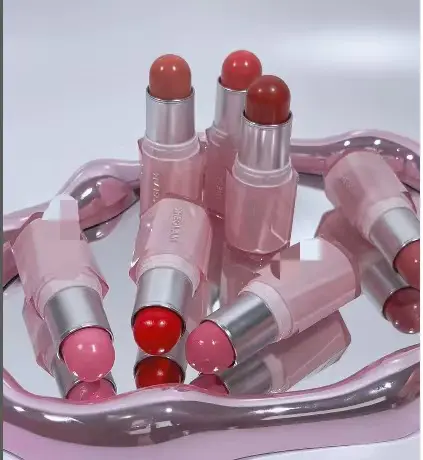
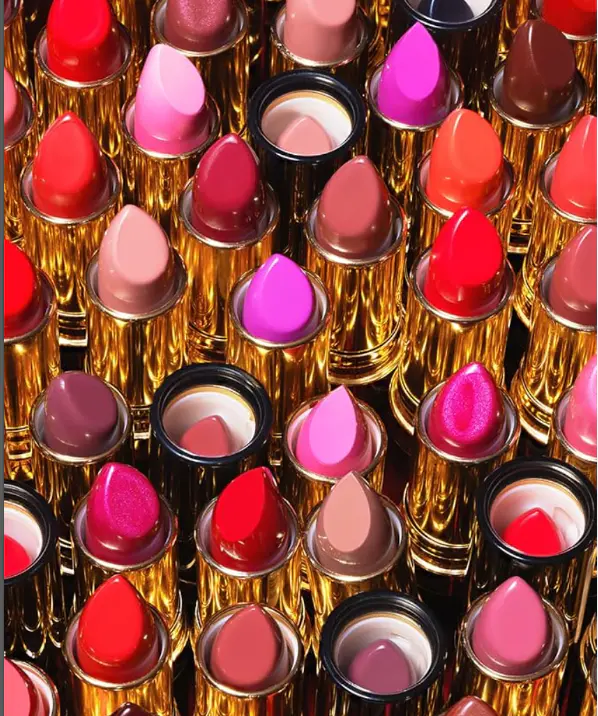
- Hydrating Cream Finish Italian Marble Sheer Lipstick
- Smudge-Resistant Rouge Hydrating Cream Lipstick
- Heart Shape Juicy Color Lip Glaze With Moisture Essence
- Transparent Hydrating Plumping Cherry Lip Glow Oil
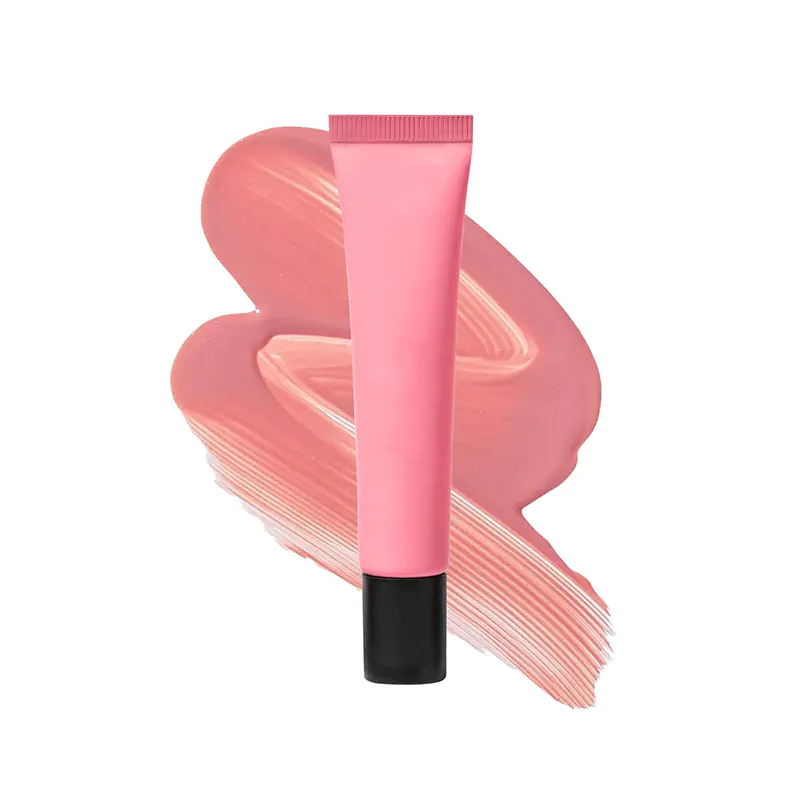
- Hydrating Nudescreen Liquid Blush & Lip Tint
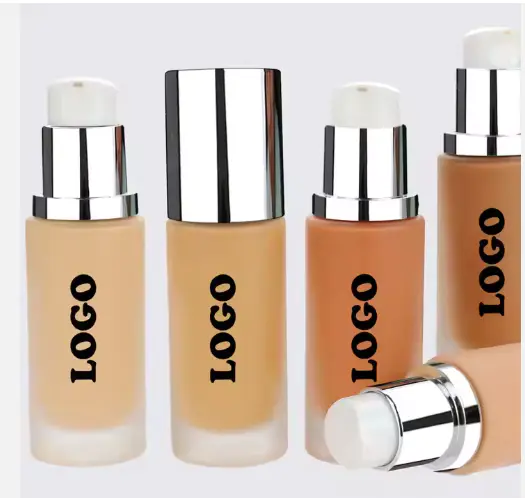
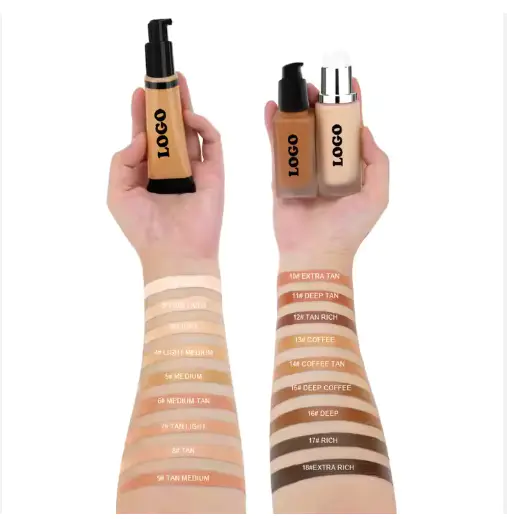
- Moisturizing Medium Coverage Dewy Foundation
- Natural Glow Finish Lightweight Hydrating Foundation


LINKS
PRODUCTS
CONTACT
-
 WhatsApp/Wechat/Phone:
+86-13423654553 -
 [email protected]
-
 No.818 Mingkai Street ,liushi Towm, dongyang City,jinhua, zhejiang, P.R.CHINA
MOBILE SITE
Copyright © Dongyang Qicai Cosmetics Co., Ltd. All Rights Reserved.

