

 Language
 中文简体
中文简体 русский
 Español
 Deutsch
 عربى
عربى Contact Us
Eyeshadow


 0
0
Product
Didn't find the product you like?
We gonna help you find matched one fast
Popular Products
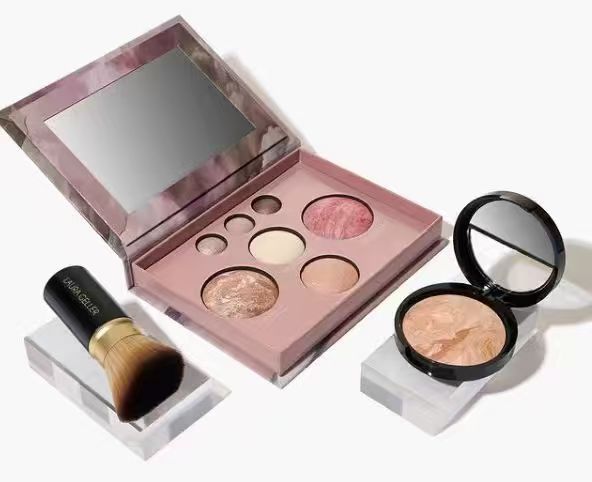
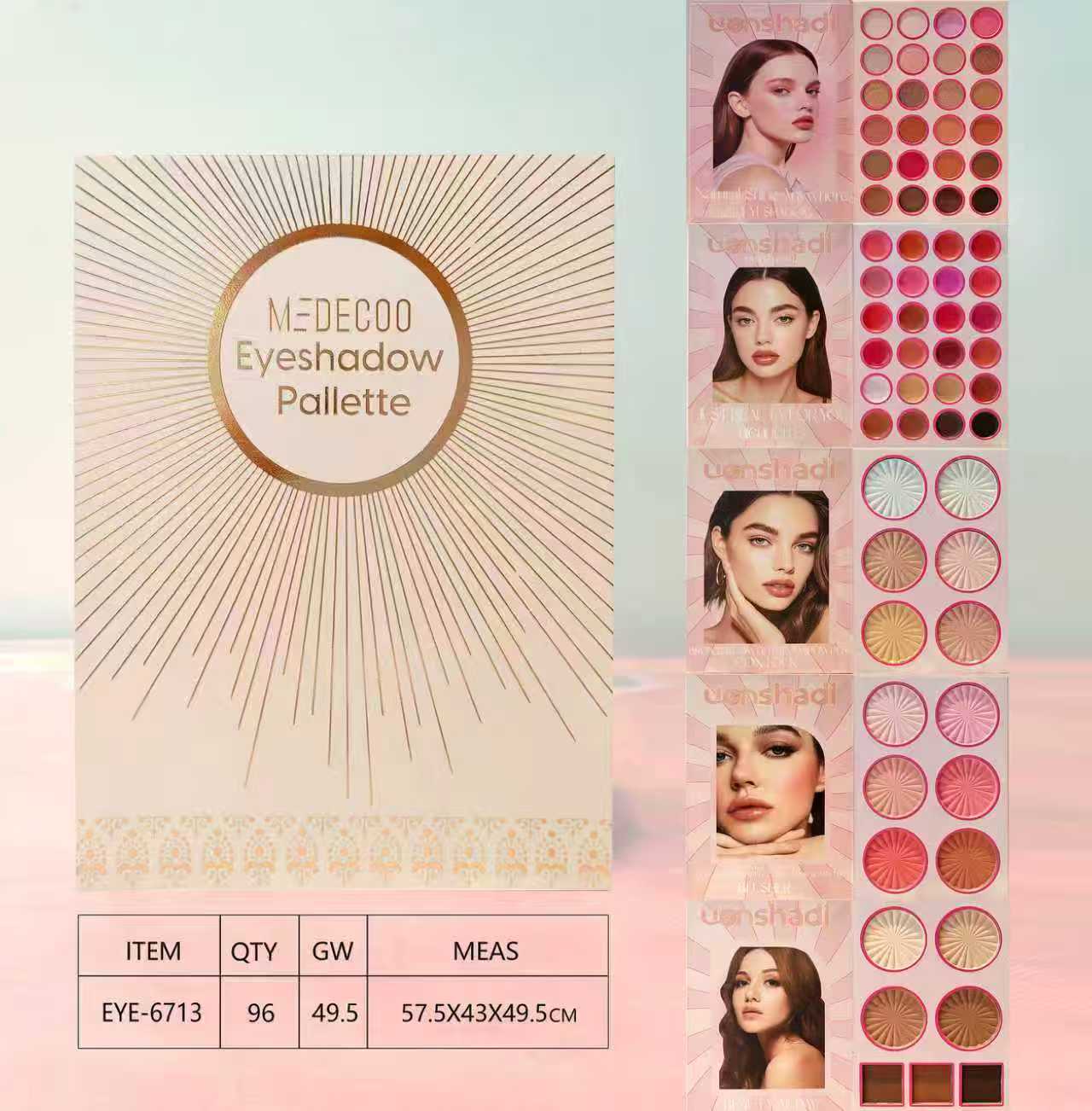
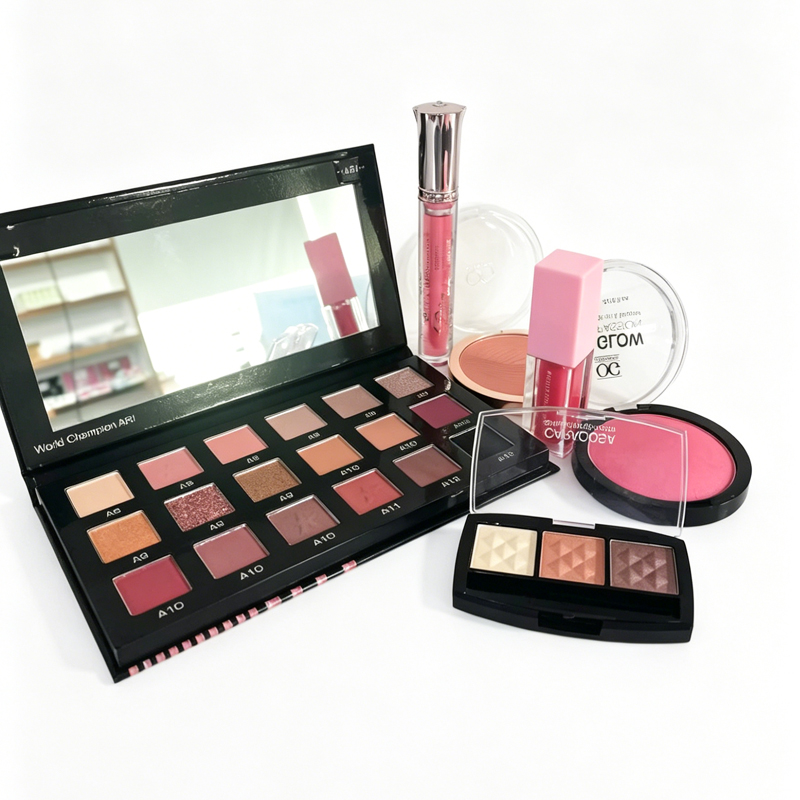
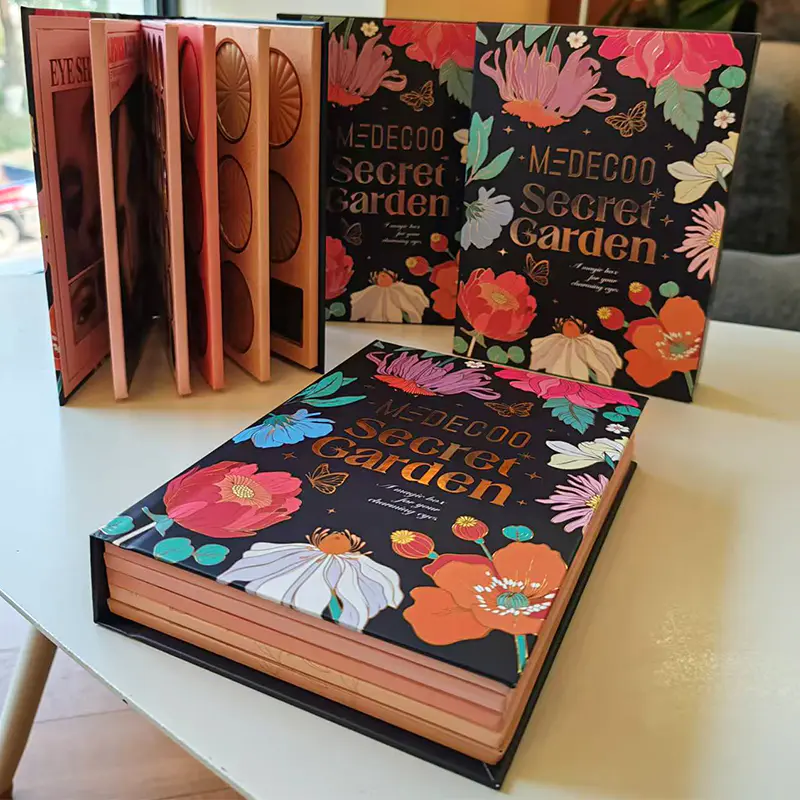
How Are Eyeshadow Palette and Eyeshadow Palette Factory Trends Changing?
2026-03-06
As makeup trends evolve, Eyeshadow Palette and Eyeshadow Palette Factory operations are increasingly influenced by shifting consumer preferences. The demand for expressive, colorful eye makeup has grown, driven by younger consumers who seek ways to communicate personality and mood through their looks. This shift is shaping both product design and production strategies, as factories must adapt to deliver palettes that meet evolving aesthetic and practical requirements.
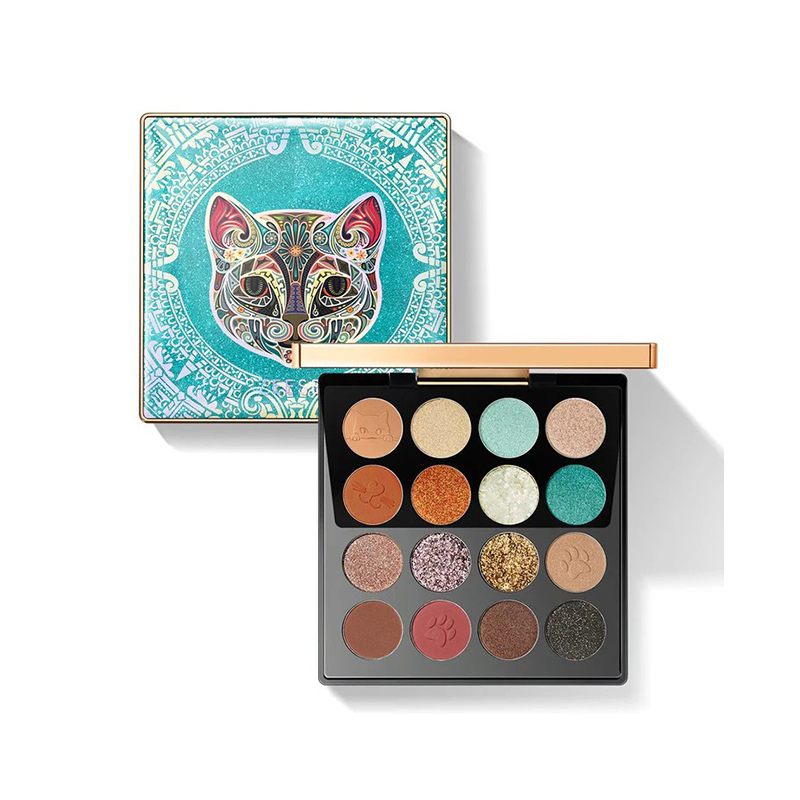
Why Are Colorful Palettes Replacing Minimalist Styles?
The minimalist eye makeup that dominated previous years is seeing less interest. Consumers are moving away from muted, “neutral” palettes and showing preference for more varied, vibrant color selections. Younger generations, particularly Gen Z and Alpha, are using eye makeup as a medium of personal expression and identity display on social media platforms. This cultural movement encourages brands to reconsider their color offerings, packaging, and storytelling.
Factories producing eyeshadow palettes are responding by creating assortments that mix mattes, shimmers, and metallics in complementary or contrasting shades. These palettes are designed not only for traditional application but also for creative experimentation, enabling consumers to craft looks that reflect mood, style, and occasion. Beyond color selection, considerations such as pan size, palette durability, and ease of transport are becoming more prominent to meet user expectations.
How Do Eyeshadow Palette Factories Ensure Consistent Quality?
Maintaining consistency across batches is critical for factories producing multiple color variations. Quality control processes typically focus on:
- Pigment Uniformity: Ensuring shades remain true from batch to batch, avoiding unexpected differences in hue or saturation.
- Texture Consistency: Balancing powder density to allow smooth application without excessive fallout.
- Packaging Reliability: Checking hinges, mirrors, and closures for durability during shipping and use.
- Safety and Regulatory Compliance: Testing for non-toxic ingredients and adherence to regional cosmetic standards.
By paying attention to these details, factories support brands in offering palettes that meet consumer expectations for usability and performance without relying on exaggerated claims.
What Design Considerations Influence Palette Popularity?
The physical and visual design of eyeshadow palettes directly affects consumer engagement. Factors that have gained attention in recent years include:
- Compact Layouts: Palettes arranged to encourage color combinations and easy travel.
- Textural Variety: Mixing matte, satin, shimmer, and metallic finishes for more versatile application.
- Color Themes: Coordinated palettes that tell a story or evoke a mood, such as “sunset tones” or “urban neon.”
- Refillable Options: Modular designs that allow users to replace individual pans instead of discarding the entire palette.
These design choices reflect practical needs while appealing to consumers’ desire for creativity and self-expression. A well-considered palette layout can simplify application, improve user experience, and encourage repeat purchases.
How Are Factories Adjusting Production to Meet Trend Demands?
Factories face the challenge of producing both large-scale standard palettes and limited-edition creative assortments. Adjustments often include:
- Flexibility in pigment sourcing to accommodate seasonal or trend-specific colors.
- Adaptable pressing and molding machinery that can handle multiple pan sizes and finishes.
- Quality inspections that account for texture differences between metallic, shimmer, and matte formulations.
- Efficient packaging workflows to integrate custom prints, mirrors, or compact designs.
These practices allow factories to respond to fluctuating market preferences while maintaining product consistency. They also support smaller brands or boutique lines that experiment with unconventional palettes without significant delays or costs.
What Practical Tips Should Users Consider When Selecting Palettes?
Consumers can make informed decisions by considering both the palette content and production characteristics:
- Review shade variety to ensure flexibility for multiple looks.
- Check pan texture to determine how easily it applies with brushes or fingers.
- Inspect compact durability if palettes will be carried in bags or during travel.
- Evaluate pigment payoff to balance color intensity with blendability.
- Consider refillable or modular designs to reduce waste and maintain long-term usability.
By paying attention to these practical details, buyers can choose palettes that are versatile, user-friendly, and aligned with personal expression goals.
How Are Eyeshadow Palette Trends Shaping Future Factory Practices?
The resurgence of bold, creative eye makeup is influencing both design and production practices. Factories are increasingly prioritizing flexibility, modularity, and material transparency in their operations. This includes offering palettes with varied finishes, using ingredients that support safe and consistent formulation, and designing packaging that balances aesthetic appeal with durability.
As consumer expectations continue to emphasize self-expression, palettes and their production methods will reflect this cultural shift. Factories and brands that accommodate experimentation, color diversity, and functional design are likely to remain relevant in a market where makeup is both a creative tool and an everyday practical accessory. These developments support a makeup ecosystem where usability, aesthetics, and adaptability coexist naturally.
Related Product
- Custom Cost-Effective Multifunctional cosmetics set
- Beautifully Packaged Multifunctional Cosmetics Set
- 18 Colors Professional Makeup Eyeshadow Pallate
- All-in-One Makeup Book Palette Eyeshadow Palette
- Makeup Kit with Lip Liner And Powder
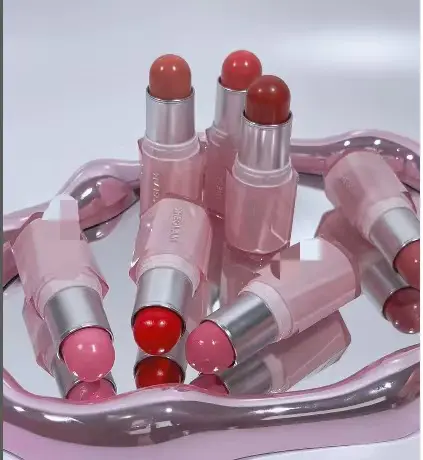
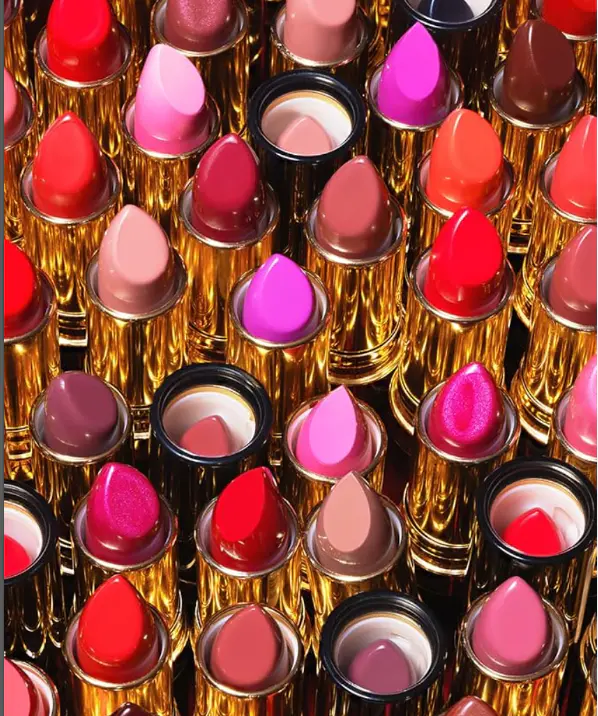
- Hydrating Cream Finish Italian Marble Sheer Lipstick
- Smudge-Resistant Rouge Hydrating Cream Lipstick
- Heart Shape Juicy Color Lip Glaze With Moisture Essence
- Transparent Hydrating Plumping Cherry Lip Glow Oil
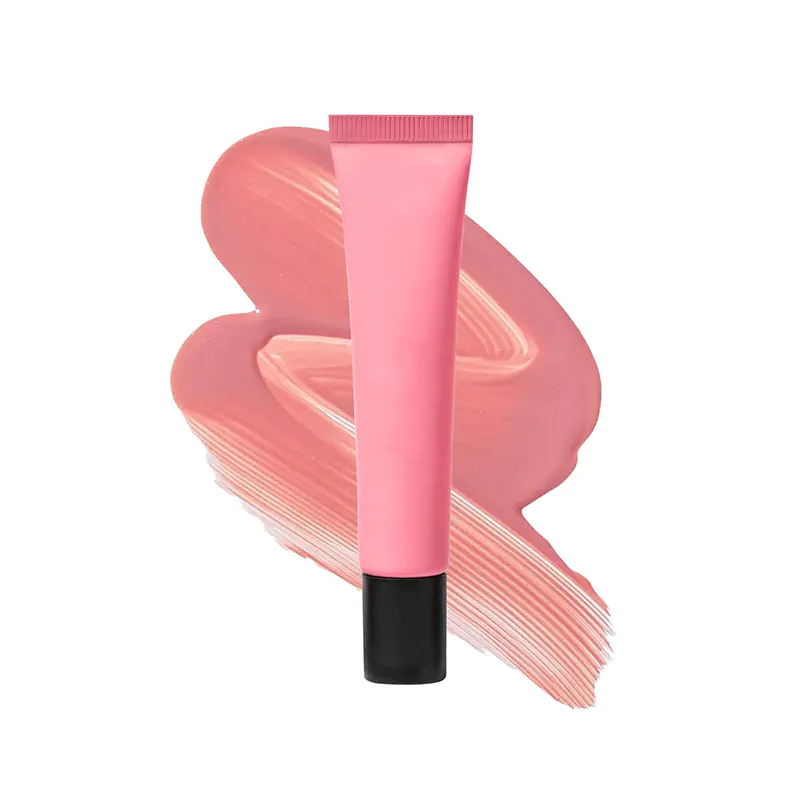
- Hydrating Nudescreen Liquid Blush & Lip Tint
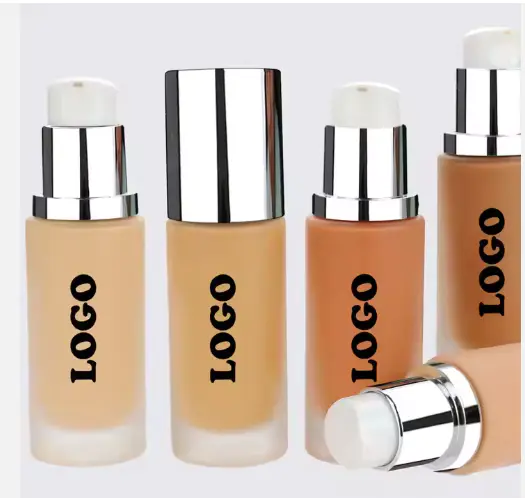
- Moisturizing Medium Coverage Dewy Foundation
- Natural Glow Finish Lightweight Hydrating Foundation


LINKS
PRODUCTS
CONTACT
-
 WhatsApp/Wechat/Phone:
+86-13423654553 -
 [email protected]
-
 No.818 Mingkai Street ,liushi Towm, dongyang City,jinhua, zhejiang, P.R.CHINA
MOBILE SITE
Copyright © Dongyang Qicai Cosmetics Co., Ltd. All Rights Reserved.

