

 Language
 中文简体
中文简体 русский
 Español
 Deutsch
 عربى
عربى Contact Us
Eyeshadow


 0
0
Product
Didn't find the product you like?
We gonna help you find matched one fast
Popular Products
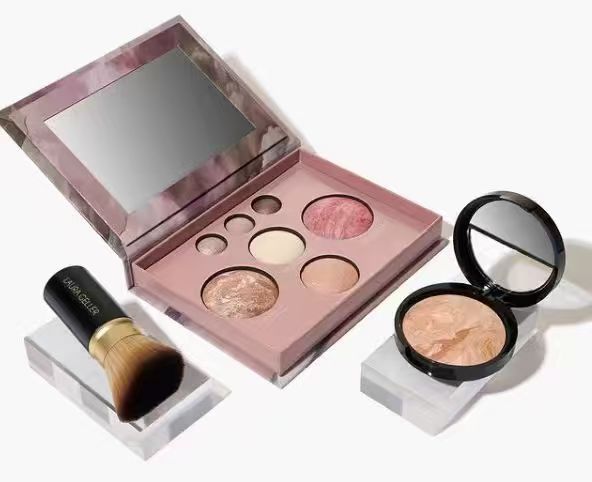
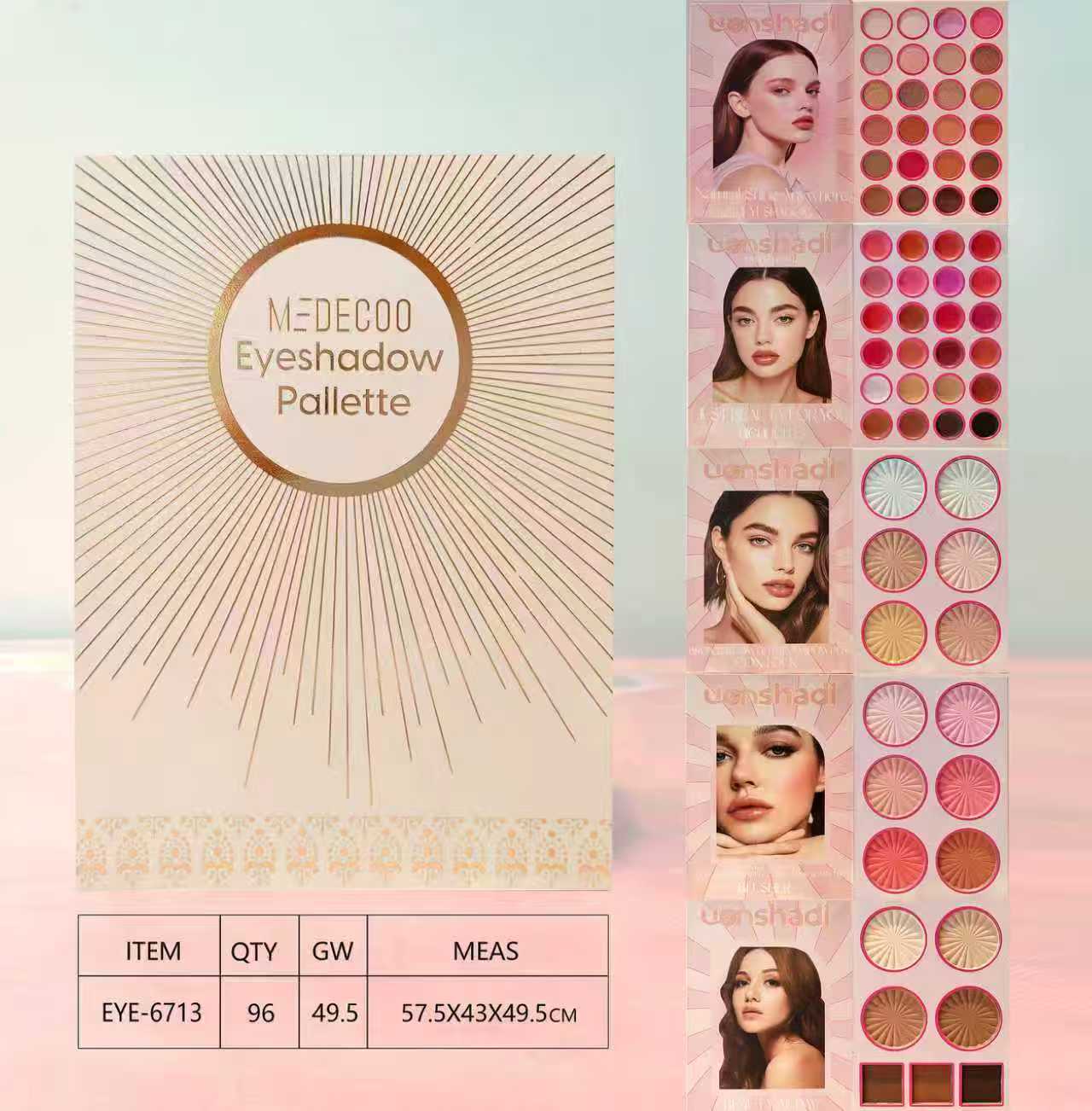
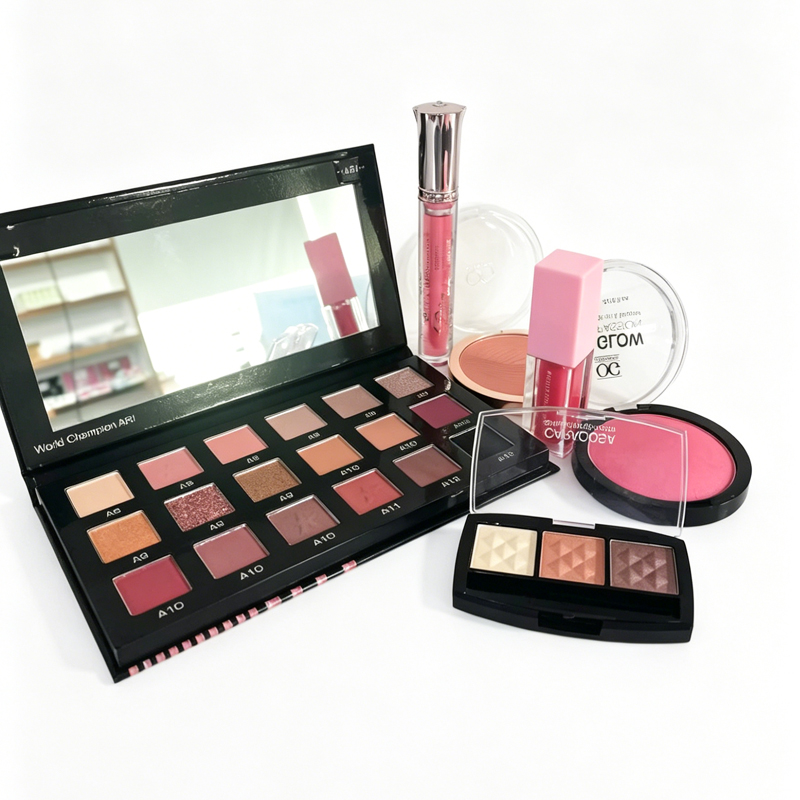
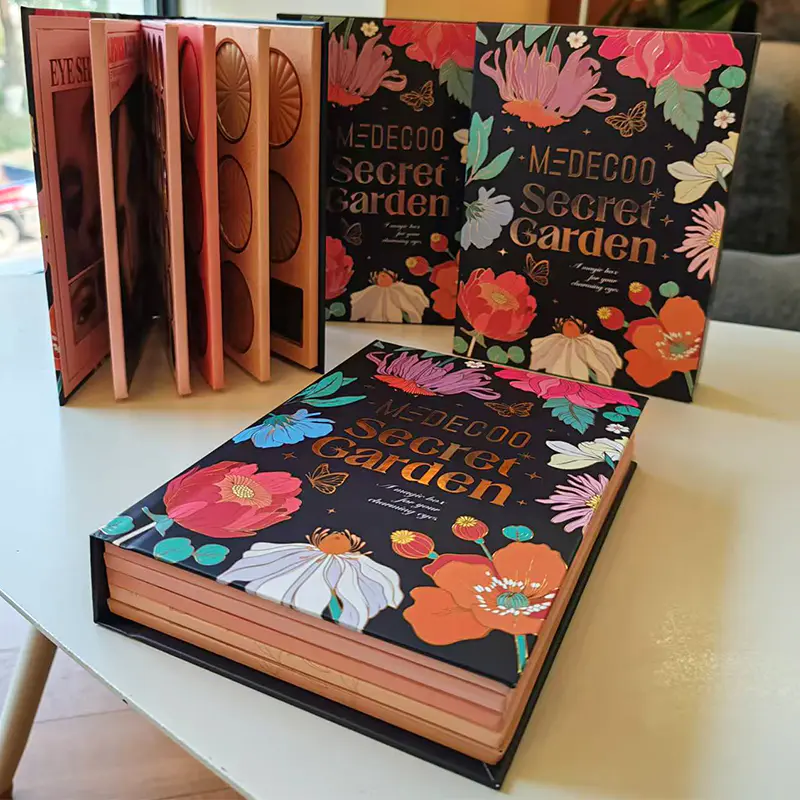
How Can Eyeshadow Palette Factory Improve Palette Formulation?
2026-03-25
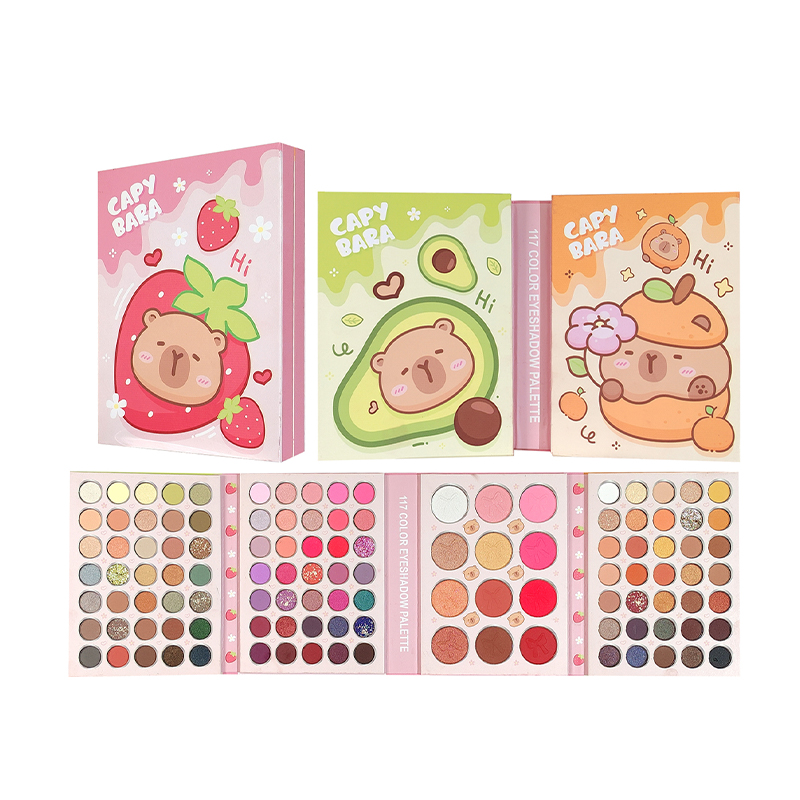
The development of modern cosmetic products has shifted focus from color range alone to the innovation of formulation and texture. Eyeshadow Palette and Eyeshadow Palette Factory now play a central role in creating palettes that respond to diverse consumer needs. Users are increasingly concerned about eye area sensitivity, product blendability, and daily usability, not just aesthetic appeal. Manufacturers are exploring formulations that offer smoother application, easier blending, and more consistent texture while remaining compatible with delicate skin. These considerations influence both how ingredients are selected and how palettes are manufactured, aiming to provide practical benefits for everyday use without relying solely on visual effects.
What Are Emerging Texture Options in Eyeshadow Palettes?
Recent trends in eyeshadow palettes show a clear movement toward refined textures that balance appearance and application comfort. Some of the observed texture types include:
- Metallic Chrome Finishes: This type provides a reflective, polished effect that catches light across the eyelid. It allows users to create emphasis without heavy layering, making it easier to adjust intensity gradually.
- Micro-Glitter and Subtle Shimmer: Ultra-fine shimmer particles create a soft sparkle. This texture ensures even application without fallout, which is important for minimizing cleanup and maintaining a professional look.
- Cream-to-Powder Formulas: These blends combine the ease of a cream for initial application with the setting properties of powder. Users can achieve smooth gradients and extended wear without uneven texture or caking.
- Soft Matte Textures: Matrices with finer milled pigments avoid powdery residue and offer smooth blending. They are practical for creating day-to-day neutral looks and transition shades.
- Hybrid Formulas with Skincare Elements: Incorporating humectants or lightweight emollients in powder-cream blends allows mild hydration during wear, helping palettes feel comfortable on eyelids throughout the day.
How Do Factories Address Sensitive Eye Area Needs?
When designing for the eye area, practical safety considerations take precedence. Eyeshadow Palette Factory practices now emphasize ingredient selection, testing, and batch control to reduce irritation risks. Key considerations include:
- Microbiome-Friendly Ingredients: Choosing components that do not disturb natural eye microbiota, which can help users with sensitive skin maintain comfort.
- Avoidance of Controversial Additives: Skipping parabens, formaldehyde-releasing agents, and heavy fragrance reduces the chance of irritation.
- Patch Testing and Validation: Conducting in-house or third-party testing for eyelid safety ensures the products meet consumer expectations without overpromising effects.
- Gentle Pigments: Selecting finely milled, hypoallergenic pigments helps prevent scratching or abrasive feel on the eyelid.
For users, these practices translate into palettes that are more comfortable to use day after day and easier to layer without discomfort.
How Can Packaging Support Eyeshadow Palette Usability?
Beyond formulation, practical packaging design affects user experience. Eyeshadow Palette Factory often considers layout, storage, and portability in addition to aesthetic design. Factors include:
- Pan Layouts for Gradient Blending: Organizing shades from light to dark or warm to cool allows users to create smooth transitions without trial and error.
- In-Palette Applicator Storage: Including brushes or sponge tips stored in the palette provides immediate access for touch-ups and reduces the need for additional tools.
- Mirrors and Size Considerations: Built-in mirrors of adequate size help on-the-go application, and lightweight casing enhances portability.
- Sealed Compartments or Protective Films: These prevent powders from mixing during transit and maintain product integrity.
Good packaging ensures palettes are convenient, easy to handle, and more likely to be integrated into daily routines.
How Are Production Practices Influencing Palette Quality?
Manufacturing practices have a direct effect on usability, consistency, and shelf life. Practical steps that factories take include:
- Controlled Mixing Processes: Even pigment distribution avoids streaking and maintains predictable application across pans.
- Precision Pressing: Ensures that powders or cream-to-powder formulas are compacted evenly, reducing breakage or uneven surface texture.
- Hygienic Handling: Clean environments and proper handling reduce contamination risks, especially important for sensitive formulations.
- Batch Tracking: Monitoring production batches helps maintain consistent color, texture, and performance from one palette to another.
For end-users, these practices result in products that are predictable and comfortable, which encourages regular use and reduces waste from damaged palettes.
Related Product
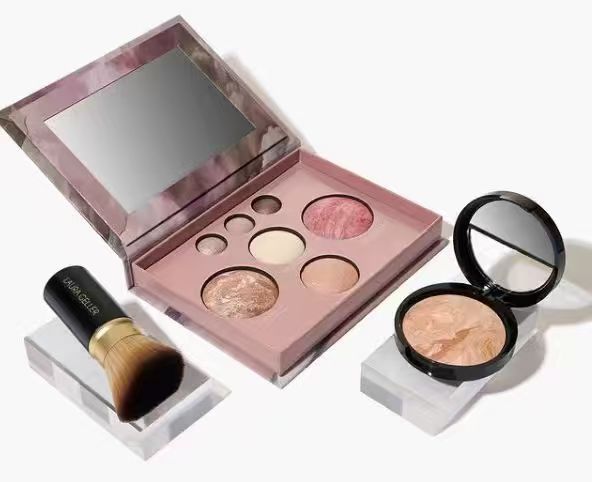
- Custom Cost-Effective Multifunctional cosmetics set
- Beautifully Packaged Multifunctional Cosmetics Set
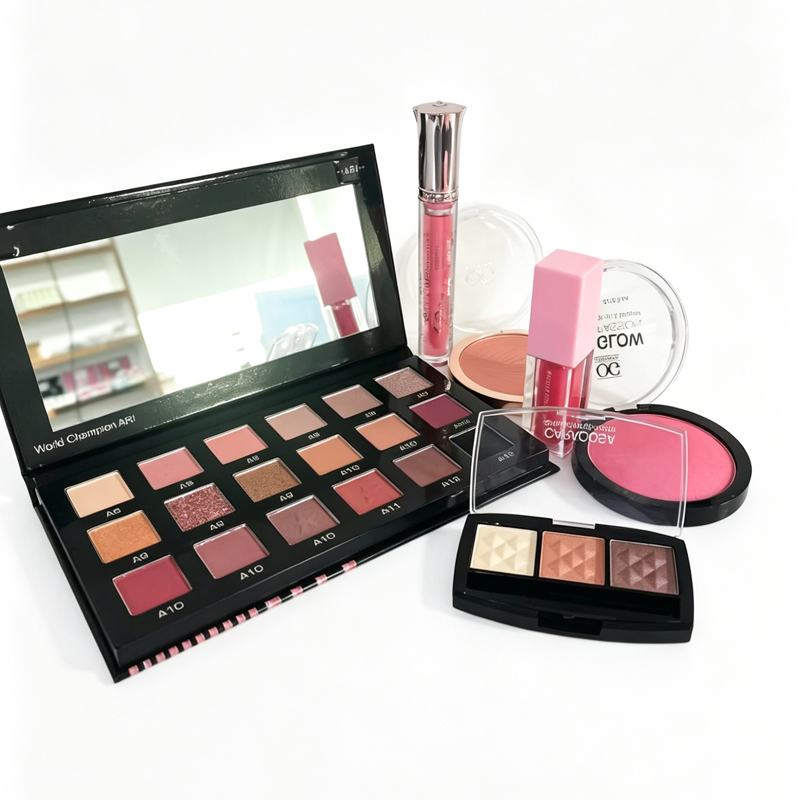
- 18 Colors Professional Makeup Eyeshadow Pallate
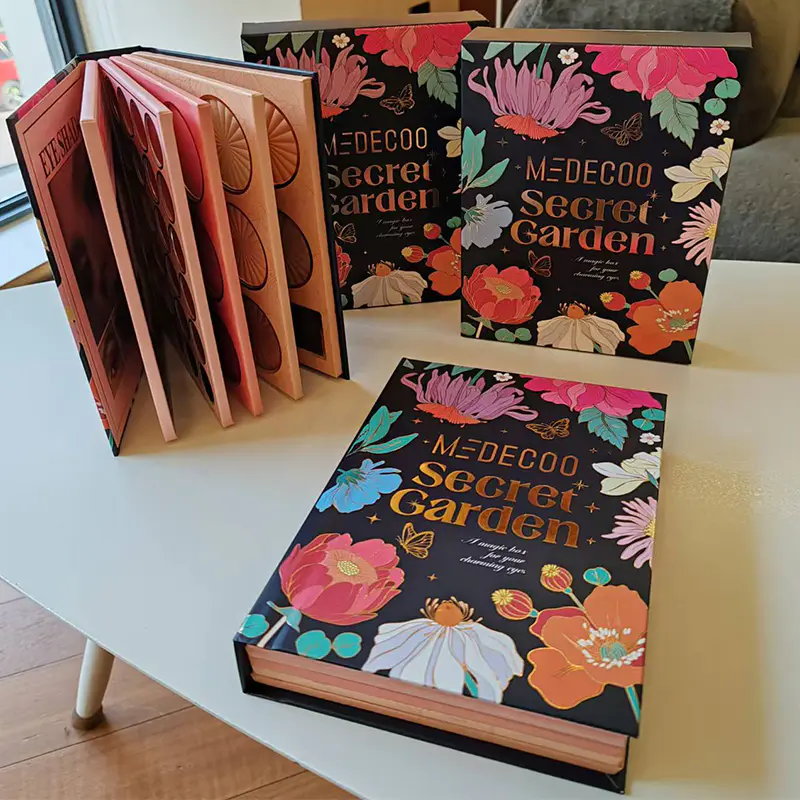
- All-in-One Makeup Book Palette Eyeshadow Palette
- Makeup Kit with Lip Liner And Powder
- Hydrating Cream Finish Italian Marble Sheer Lipstick
- Smudge-Resistant Rouge Hydrating Cream Lipstick
- Heart Shape Juicy Color Lip Glaze With Moisture Essence
- Transparent Hydrating Plumping Cherry Lip Glow Oil
- Hydrating Nudescreen Liquid Blush & Lip Tint
- Moisturizing Medium Coverage Dewy Foundation
- Natural Glow Finish Lightweight Hydrating Foundation


LINKS
PRODUCTS
CONTACT
-
 WhatsApp/Wechat/Phone:
+86-13423654553 -
 [email protected]
-
 No.818 Mingkai Street ,liushi Towm, dongyang City,jinhua, zhejiang, P.R.CHINA
MOBILE SITE
Copyright © Dongyang Qicai Cosmetics Co., Ltd. All Rights Reserved.

