

 Language
 中文简体
中文简体 русский
 Español
 Deutsch
 عربى
عربى Contact Us
Eyeshadow


 0
0
Product
Didn't find the product you like?
We gonna help you find matched one fast
Popular Products
How Can Eyeshadow Palette Factory Respond To Social Trends?
2026-04-03
Social media platforms, particularly TikTok, continue to influence eye makeup trends and consumer behavior in a noticeable way. Eyeshadow Palette and Eyeshadow Palette Factory are no longer evaluated solely on the range of colors or luxury branding; viral moments online can create sudden spikes in demand for specific shades or textures. Shades inspired by the 90s, such as muted gray tones reminiscent of Pamela Anderson, or sparkling designs popularized by Zara Larsson, can become widely sought after within days. This phenomenon represents a variation of the “lipstick effect” in the eyeshadow sector, where consumers often choose smaller palettes that provide high visual impact and are well-suited for sharing on social media. As a result, factories must adapt production and design strategies to respond quickly to these market shifts, balancing compactness, color versatility, and practical usability.
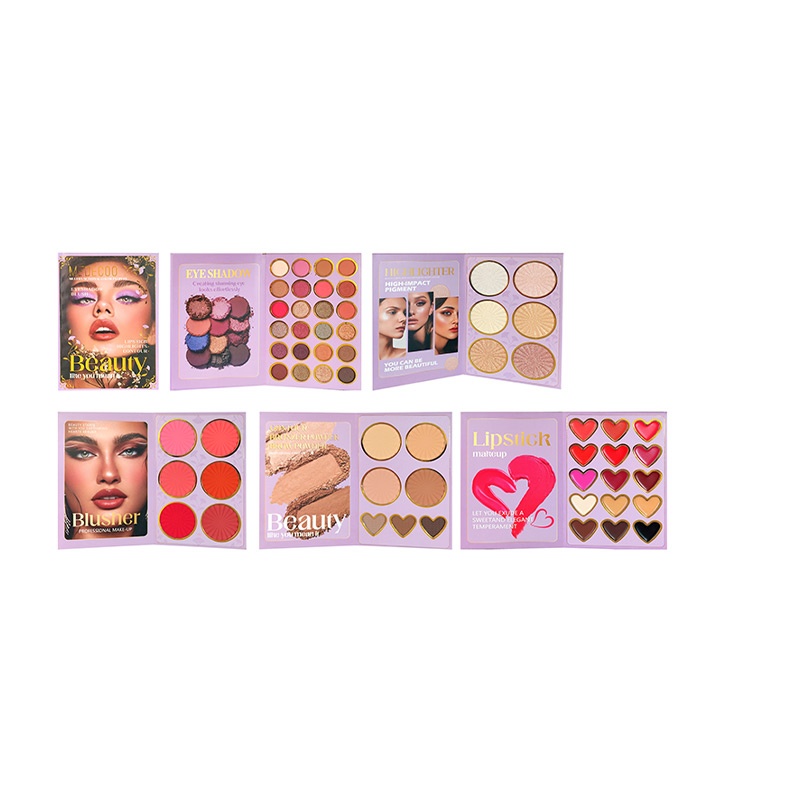
What Types Of Palettes Are Favored For Viral Content?
Observations from recent trends show that palettes suited for social media engagement share several characteristics. These factors guide factories in designing palettes that appeal both to casual users and content creators:
- Compact Pan Layouts: Smaller palettes with well-organized pans make it easier to display shades on camera, as well as to film tutorials or short clips.
- High-Pigment Colors: Strongly visible shades translate better on video and provide dramatic contrast that captures attention.
- Shimmer, Glitter, And Reflective Finishes: Textures that interact with lighting highlight eyelid contours effectively, adding depth in video content without the need for multiple layers.
- Blendable, Layer-Friendly Formulas: Cream-to-powder or soft-matte textures support smooth gradient creation. This is valuable both for casual daily wear and for recreating visually appealing transitions in tutorials.
- Durable Packaging: Sturdy cases prevent damage during filming, shipping, or travel, ensuring the product maintains a consistent appearance when shared online.
Limited Edition Or Mini Palettes: Smaller, visually impactful palettes encourage experimentation and frequent sharing on social platforms without requiring a full-size investment.
These considerations ensure that palettes are practical for online presentation while still meeting consumer needs for versatility and ease of use. Factories increasingly incorporate these features into standard production lines, allowing for timely responses to shifting trends.
How Do Factories Adapt Formulations For Sensitivity And Daily Use?
Modern eyeshadow palettes need to accommodate a wide variety of skin types, especially around the sensitive eye area. Eyeshadow Palette Factory takes several steps to balance usability and skin comfort:
- Ingredient Selection: Minimizing known irritants such as harsh preservatives, heavy fragrances, and certain synthetic dyes helps reduce the risk of reactions.
- Microbiome-Friendly Components: Ingredients that are compatible with the natural eye microbiota support skin comfort and reduce potential redness or irritation.
- Finely Milled Pigments: Smoother particles prevent scratching and make blending easier, providing consistent coverage across all skin tones.
- Durable But Soft Textures: Cream-to-powder formulas and soft mattes allow users to layer colors without caking or uneven texture.
- Testing And Validation: Palettes undergo controlled testing to ensure performance during repeated applications, which is particularly important for consumers recreating looks for video content or social media posts.
These practical adjustments enhance daily usability, helping users apply bold or complex looks without compromising comfort, making the palettes suitable for both casual wear and social content creation.
How Can Packaging Improve Palette Practicality For Consumers?
Packaging is a critical factor in the usability of an eyeshadow palette, especially for palettes intended for frequent handling, social media use, or travel. Key elements that factories incorporate include:
Organized Shade Layouts: Arranging shades from light to dark, or grouping complementary colors together, reduces trial-and-error time and simplifies gradient creation.
- Integrated Mirrors: Adequate mirrors help users check color application in different lighting and are particularly useful for on-the-go application or content filming.
- Brush Or Applicator Storage: Providing a compartment for tools ensures users always have the necessary instruments available for blending or detail work.
- Compact Design: Slim, portable palettes make carrying multiple shades easier, allowing users to adapt to various daily scenarios without carrying excess items.
- Protective Seals And Covers: These prevent pan mixing during shipping and daily transport, maintaining the surface integrity of powders and reducing contamination risk.
- Reinforced Casing Materials: Durable plastics or metals reduce the risk of breakage, especially during frequent handling or when included in content creation setups.
Practical packaging enhances user experience beyond aesthetic appeal, allowing consumers to incorporate palettes seamlessly into both daily routines and visual content creation.
Related Product
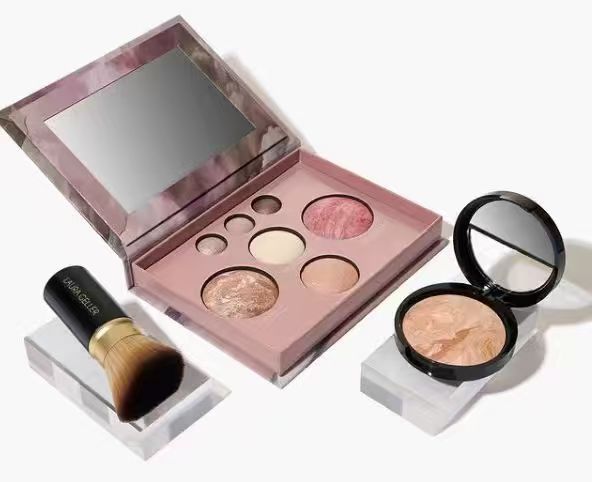
- Custom Cost-Effective Multifunctional cosmetics set
- Beautifully Packaged Multifunctional Cosmetics Set
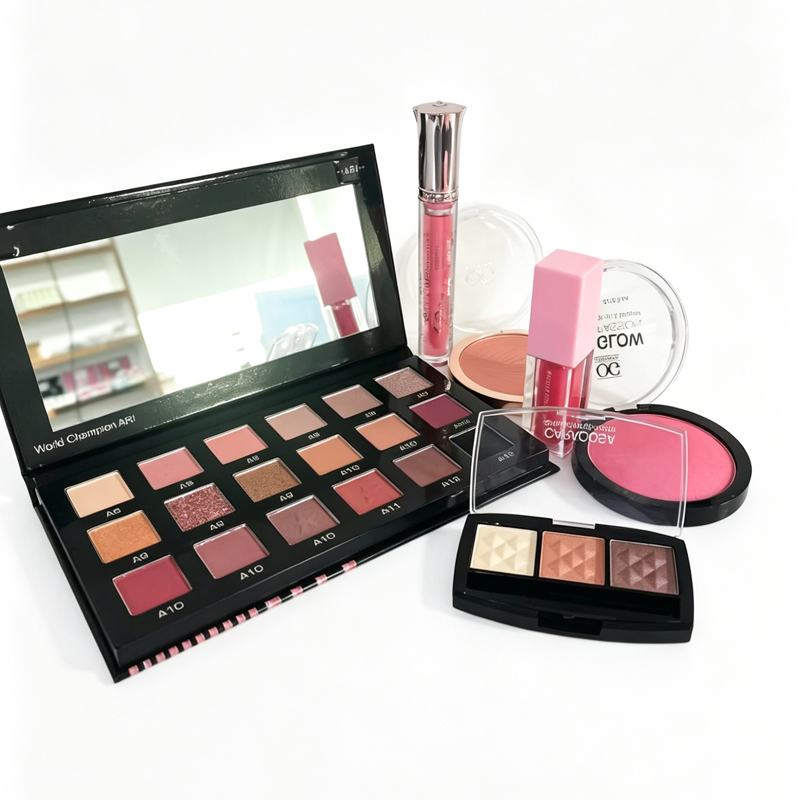
- 18 Colors Professional Makeup Eyeshadow Pallate
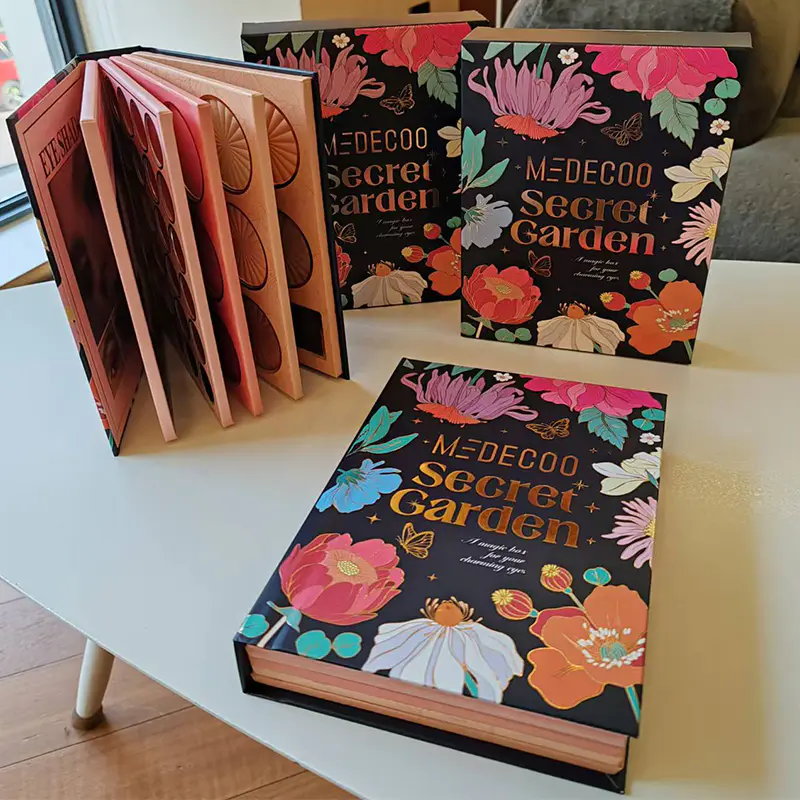
- All-in-One Makeup Book Palette Eyeshadow Palette
- Makeup Kit with Lip Liner And Powder
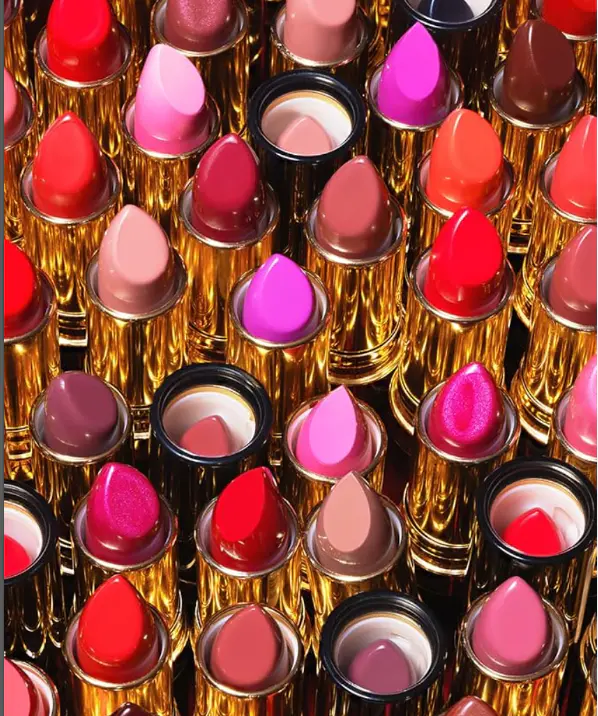
- Hydrating Cream Finish Italian Marble Sheer Lipstick
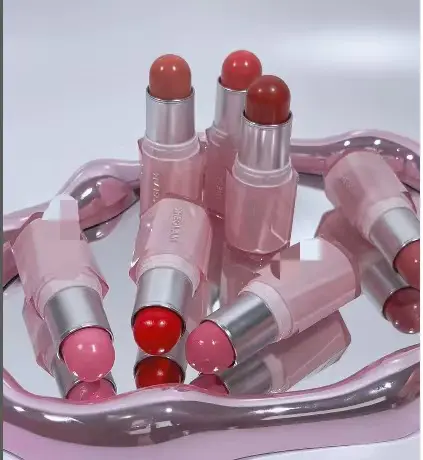
- Smudge-Resistant Rouge Hydrating Cream Lipstick
- Heart Shape Juicy Color Lip Glaze With Moisture Essence
- Transparent Hydrating Plumping Cherry Lip Glow Oil
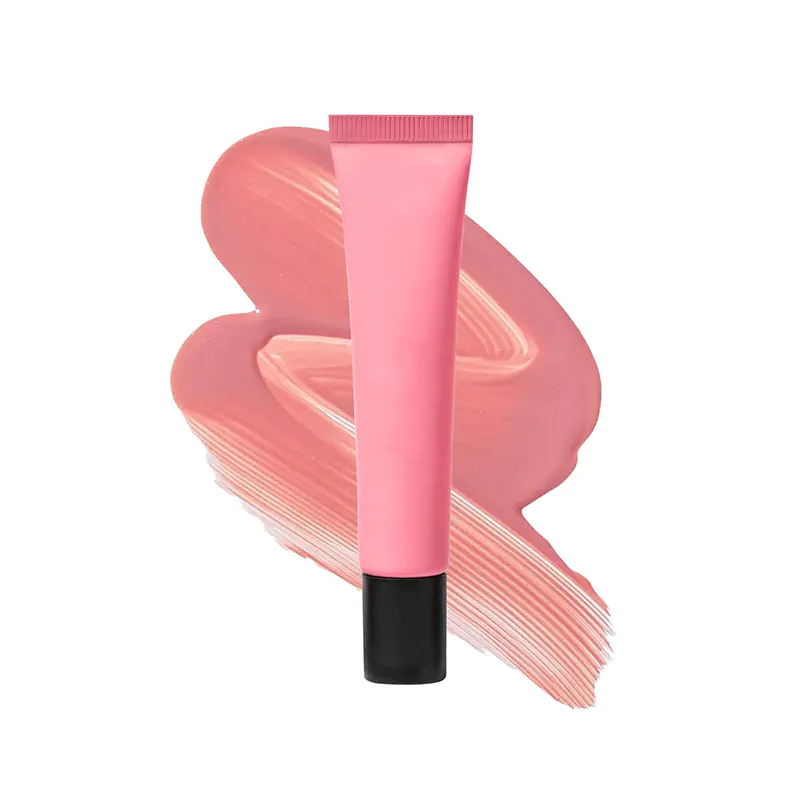
- Hydrating Nudescreen Liquid Blush & Lip Tint
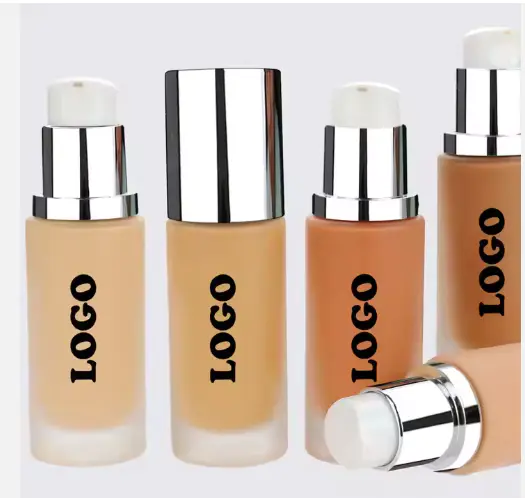
- Moisturizing Medium Coverage Dewy Foundation
- Natural Glow Finish Lightweight Hydrating Foundation


LINKS
PRODUCTS
CONTACT
-
 WhatsApp/Wechat/Phone:
+86-13423654553 -
 [email protected]
-
 No.818 Mingkai Street ,liushi Towm, dongyang City,jinhua, zhejiang, P.R.CHINA
MOBILE SITE
Copyright © Dongyang Qicai Cosmetics Co., Ltd. All Rights Reserved.

