

 Language
 中文简体
中文简体 русский
 Español
 Deutsch
 عربى
عربى Contact Us
Eyeshadow


 0
0
Product
Didn't find the product you like?
We gonna help you find matched one fast
Popular Products
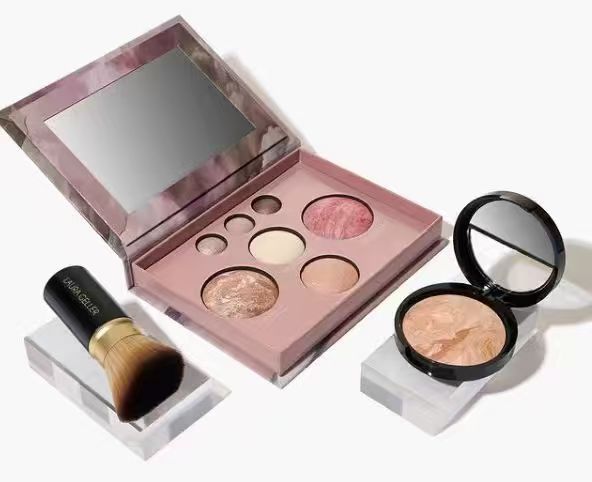
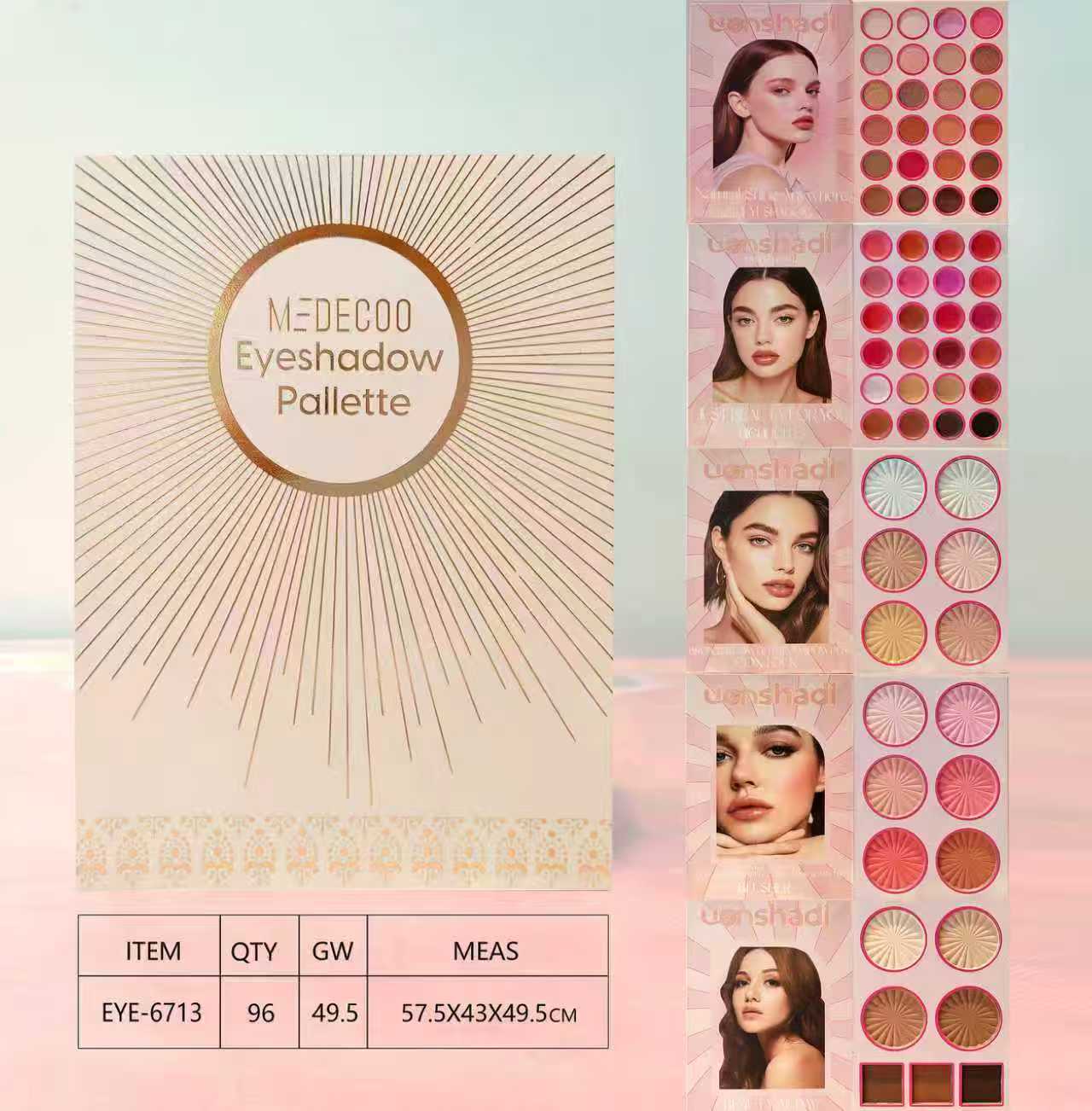
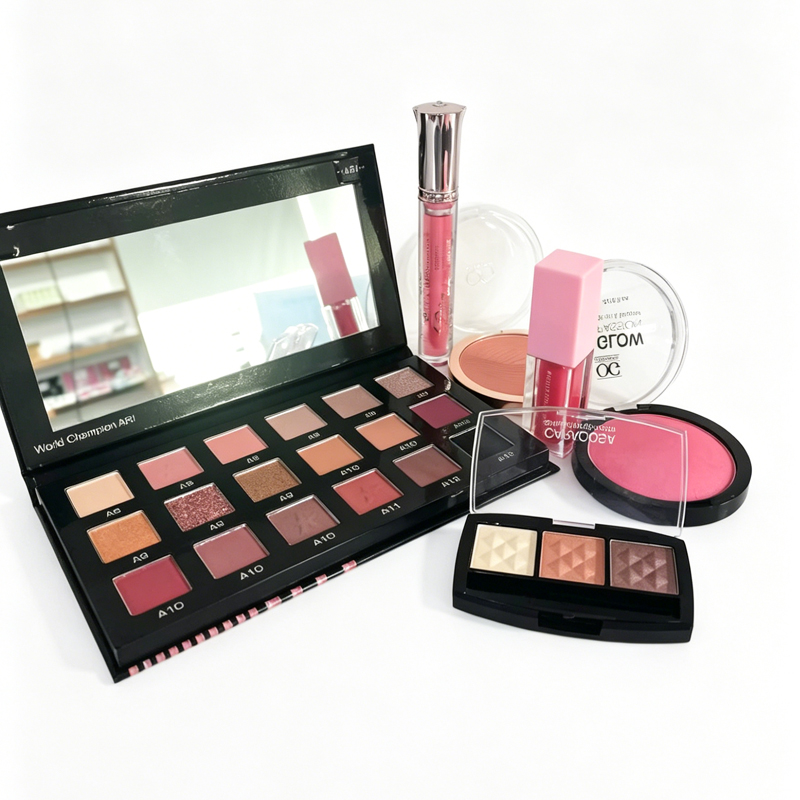

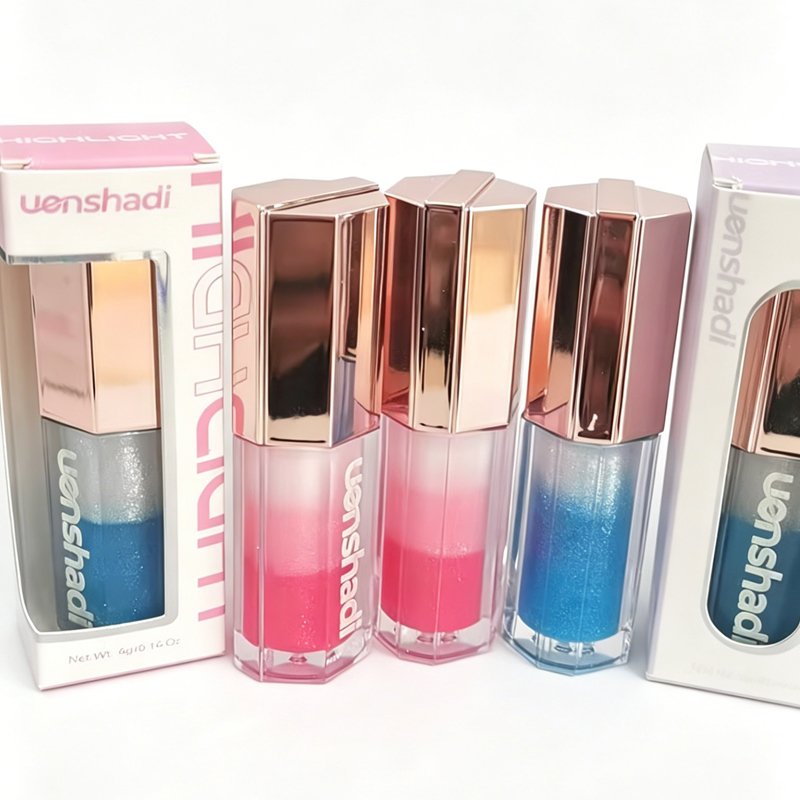
Long-Term Cosmetics Preservation: Industry Experts Push for Better Stability, Sustainability, and Safety
2025-06-06
In the dynamic and ever-evolving cosmetics industry, long-term preservation of products is a subject of growing concern and strategic importance. As consumers demand longer shelf life, fewer preservatives, and cleaner formulations, manufacturers are being challenged to innovate how cosmetics are preserved — not just to extend usability, but to ensure product safety, integrity, and performance over time.
Cosmetics, ranging from moisturizers and foundations to lipsticks and mascaras, contain complex blends of oils, emulsifiers, fragrances, pigments, and active ingredients. These components are prone to microbial contamination, oxidation, and degradation, making preservation an essential aspect of product development. The push toward more natural ingredients and sustainable packaging has only intensified the focus on long-term cosmetic preservation methods that are both effective and eco-conscious.
The Science Behind Cosmetics Preservation
Preserving cosmetics involves protecting them from microbial growth (bacteria, fungi, and mold), preventing chemical changes such as oxidation, and maintaining the stability of emulsions and active compounds. Traditional preservatives such as parabens, phenoxyethanol, and formaldehyde releasers have been widely used to keep products safe and shelf-stable for up to two to three years.
However, due to rising health and environmental concerns, many of these traditional preservatives are under scrutiny or banned in certain markets. This has led to a surge in demand for alternative preservation systems and natural antimicrobial agents that can deliver long-term efficacy without compromising safety or product performance.
Emerging Trends in Long-Term Preservation of Cosmetics
1. Multifunctional Ingredients
The use of multifunctional ingredients that serve both preservative and skin-beneficial roles is gaining traction. Ingredients like caprylyl glycol, ethylhexylglycerin, and certain botanical extracts offer antimicrobial properties while also improving skin feel or hydration. These ingredients help reduce the total preservative load in formulations while extending product longevity.
2. Airless Packaging and Sealed Delivery Systems
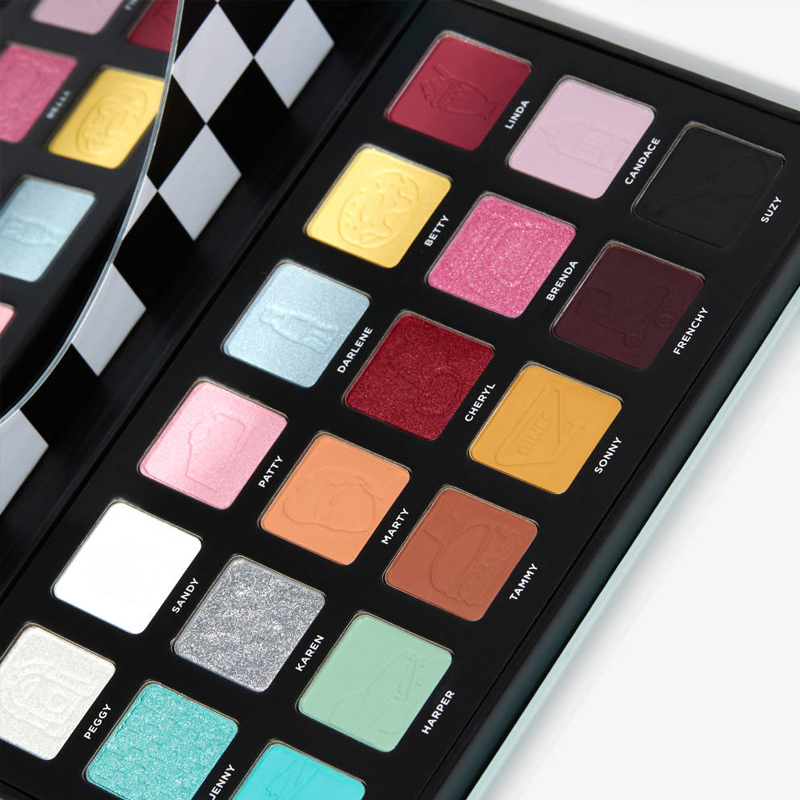
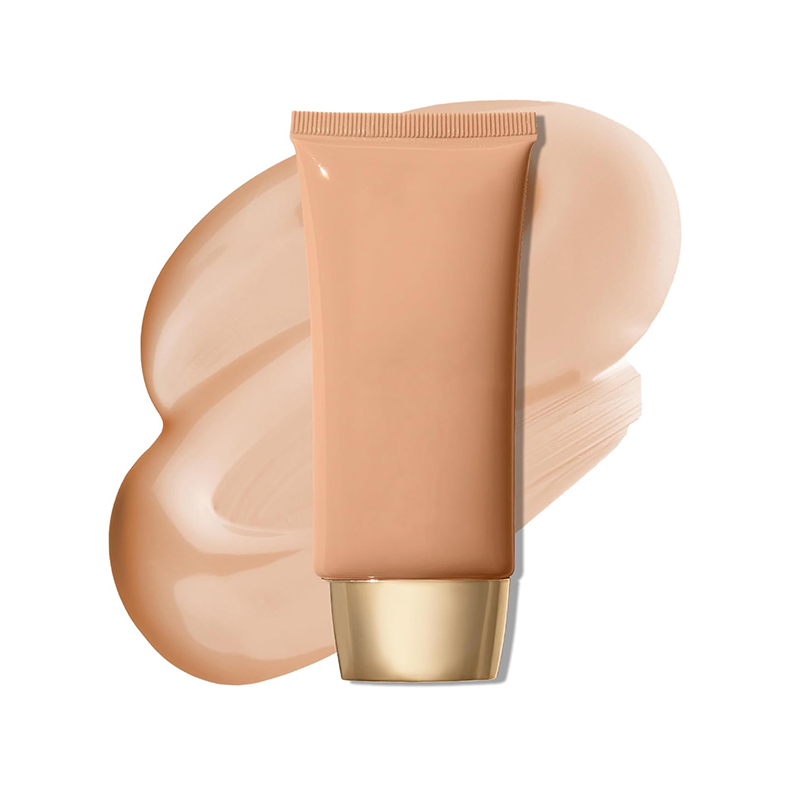
Airless pump bottles, twist-up dispensers, and sealed tubes are becoming more popular as they limit oxygen exposure and reduce contamination risks. By preventing external air and hands from coming into contact with the formula, such packaging plays a crucial role in extending the shelf life of cosmetics — particularly those with preservatives or natural formulations.
3. Natural Preservative Alternatives
Brands focused on clean beauty are turning to natural preservatives such as fermented radish root, rosemary extract, honeysuckle, and certain essential oils. Though these natural agents often require higher concentrations and tailored formulation strategies, they align with consumer preferences for “free-from” labels and green chemistry.
4. Smart Preservative Systems
Rather than relying on a single antimicrobial agent, many formulators now use a combination of mild preservatives in synergistic blends to provide broad-spectrum protection. This approach allows for reduced concentrations of individual preservatives while maintaining efficacy — a key requirement for global regulatory compliance and consumer safety.
Challenges Facing the Industry
Despite progress, the cosmetics industry faces several challenges when it comes to long-term preservation:
Global Regulatory Differences: Preservation regulations vary significantly across regions. While parabens may be acceptable in one country, they may be restricted or banned in another. This creates complexity for global brands trying to maintain consistency across markets.
Natural Preservation Limitations: While natural preservatives are growing in popularity, they often come with issues like odor, color, or reduced effectiveness in high-water formulations. Ensuring long-term preservation with natural alternatives requires extensive testing and formulation expertise.
Stability Testing Requirements: Long-term preservation cannot be assumed — it must be scientifically verified. This includes microbial challenge tests, accelerated aging simulations, and packaging compatibility studies. These processes can be costly and time-consuming, especially for smaller brands.
Related Product
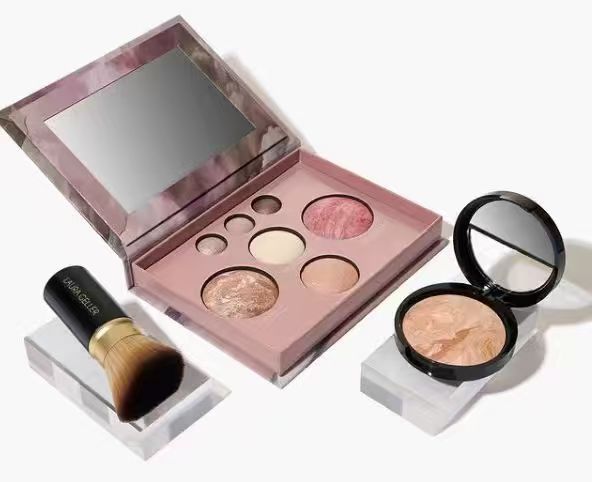
- Custom Cost-Effective Multifunctional cosmetics set
- Beautifully Packaged Multifunctional Cosmetics Set
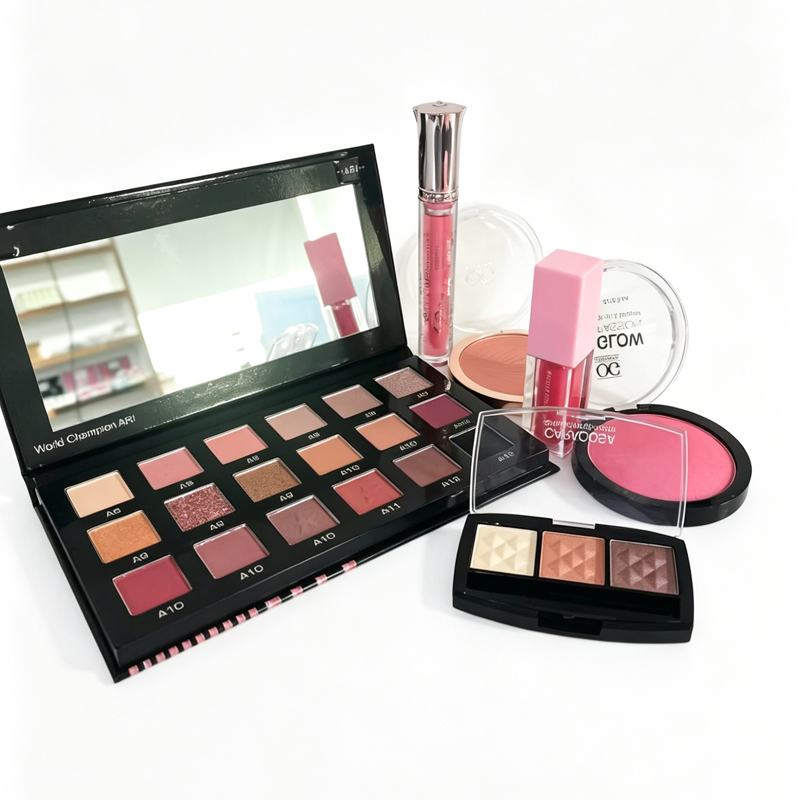
- 18 Colors Professional Makeup Eyeshadow Pallate
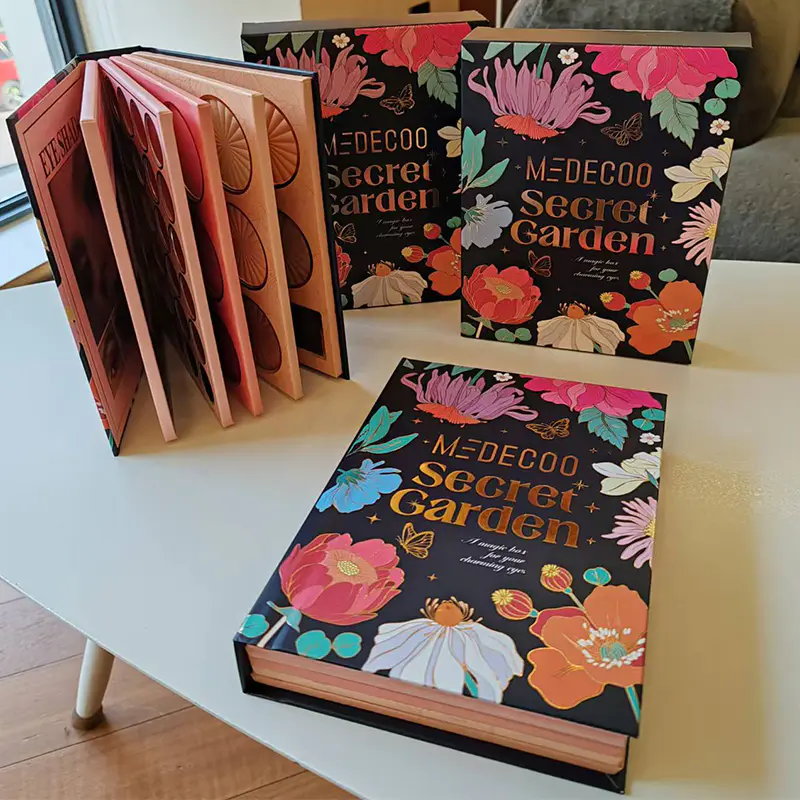
- All-in-One Makeup Book Palette Eyeshadow Palette
- Makeup Kit with Lip Liner And Powder
- Hydrating Cream Finish Italian Marble Sheer Lipstick
- Smudge-Resistant Rouge Hydrating Cream Lipstick
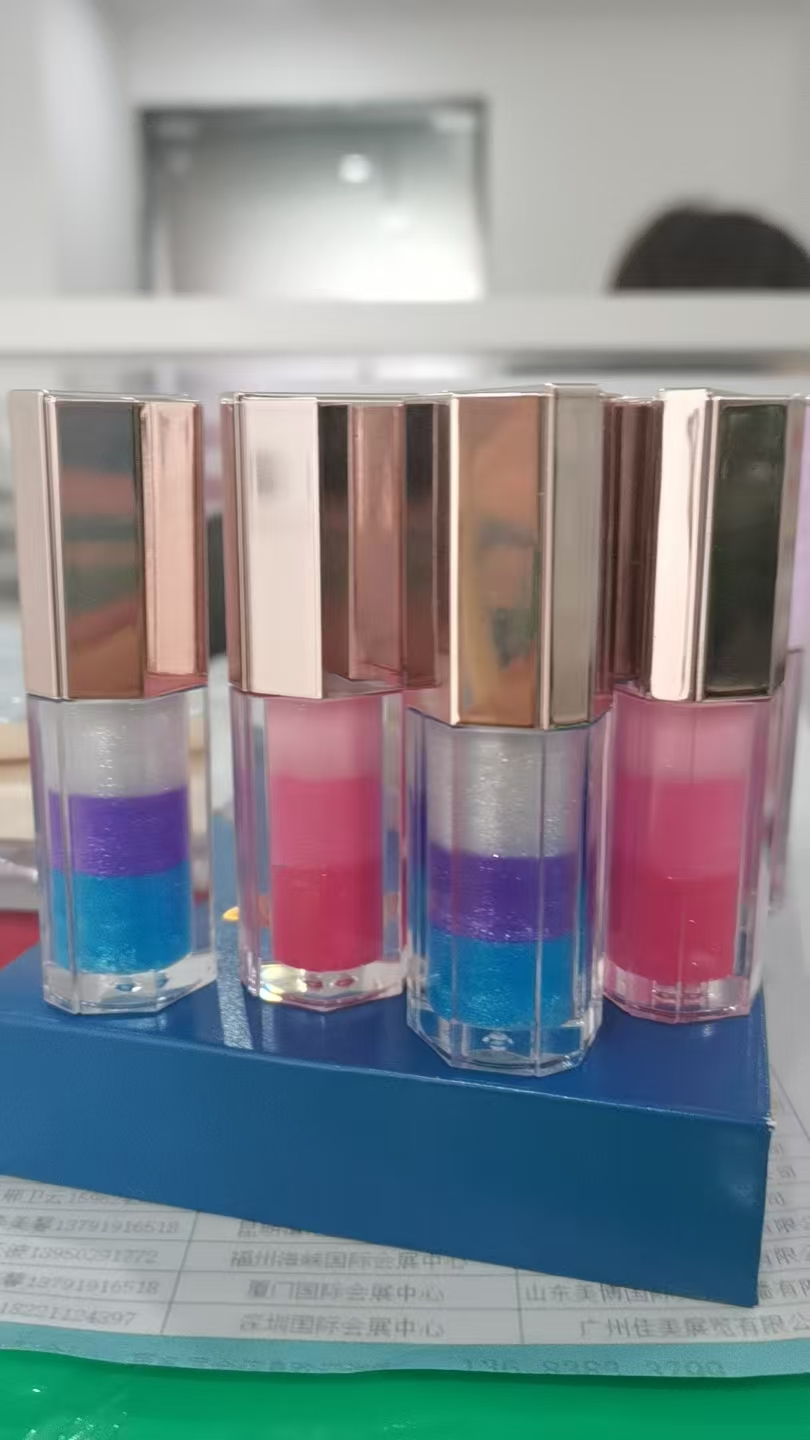
- Heart Shape Juicy Color Lip Glaze With Moisture Essence
- Transparent Hydrating Plumping Cherry Lip Glow Oil
- Hydrating Nudescreen Liquid Blush & Lip Tint
- Moisturizing Medium Coverage Dewy Foundation
- Natural Glow Finish Lightweight Hydrating Foundation


LINKS
PRODUCTS
CONTACT
-
 WhatsApp/Wechat/Phone:
+86-13423654553 -
 [email protected]
-
 No.818 Mingkai Street ,liushi Towm, dongyang City,jinhua, zhejiang, P.R.CHINA
MOBILE SITE
Copyright © Dongyang Qicai Cosmetics Co., Ltd. All Rights Reserved.

