

 Language
 中文简体
中文简体 русский
 Español
 Deutsch
 عربى
عربى Contact Us
Eyeshadow


 0
0
Product
Didn't find the product you like?
We gonna help you find matched one fast
Popular Products
Exploring the Future of Nail Art: Materials, Trends, and Innovation Driving the Industry Forward
2025-05-30
In the ever-evolving beauty and cosmetics industry, nail art has carved out a thriving niche that continues to grow globally. No longer a simple polish or manicure, nail art has transformed into a fashion statement, a form of self-expression, and even a canvas for wearable art. While trends, colors, and designs frequently take the spotlight, the materials behind modern nail art innovations are equally compelling. This article explores the latest developments in materials used for nail art, the environmental push for sustainability, and how technology is playing a pivotal role in shaping the industry's future.
The Rise of Advanced Nail Art Materials
At the core of every intricate nail art design are materials that bring ideas to life. Traditional materials like acrylic, gel, and regular nail polish are being replaced or enhanced by cutting-edge alternatives. For instance, builder gels and poly gels offer better flexibility, durability, and a more natural finish. These hybrid materials are easier to work with, allowing artists to create more detailed and long-lasting nail art designs.
Another game-changer is the use of 3D printing resins specifically designed for nail art embellishments. These resins allow for highly detailed miniature sculptures—from florals to gemstones—that can be applied directly to the nail surface. The ability to combine artistic expression with durable materials has pushed nail art to new levels of creativity.
Sustainable Materials in Nail Art
With the global beauty industry under increasing scrutiny for its environmental impact, sustainability has become a top priority. Eco-conscious consumers are demanding nail art products that are not only safe for use but also gentle on the planet.
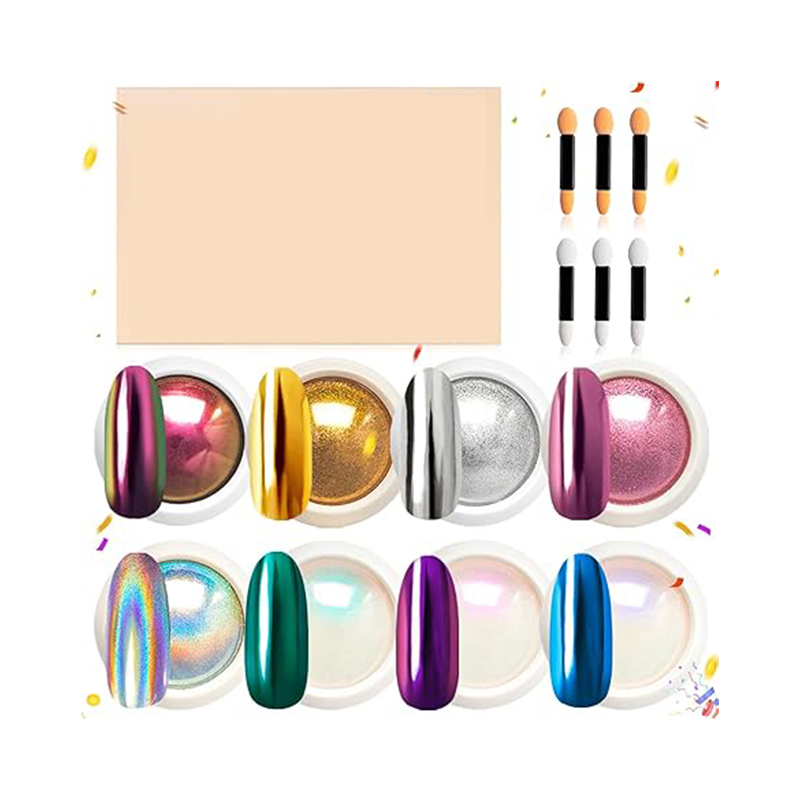
In response, manufacturers are turning to biodegradable glitters, plant-based resins, and non-toxic pigments. These materials reduce harm to waterways and minimize skin irritation. Water-based nail polishes and breathable formulas are also gaining popularity in the nail art world, offering safer alternatives without sacrificing vibrancy or durability.
Some companies are exploring refillable packaging and recyclable gel pods to reduce plastic waste in nail art kits. As green innovation becomes a competitive advantage, sustainability is no longer a trend—it’s a requirement for survival in the evolving nail art industry.
Pigment Technology and Color Innovation
Color is the soul of nail art, and pigment innovation is driving an explosion of creative possibilities. High-definition pigment powders, chromatic flakes, and holographic materials are making nail art more visually striking than ever. Thermochromic and photochromic pigments, which change color with temperature or UV exposure, are giving rise to dynamic and interactive nail art experiences.
Pearlescent and metallic finishes created from finely milled mineral particles add depth and luminosity to designs, while matte coatings offer sophisticated alternatives to traditional gloss. These advancements allow nail technicians and artists to craft looks that are truly customized and trend-forward.
The Impact of Technology in Nail Art
Technological advancements are becoming inseparable from nail art innovation. Smart devices and tools like laser cutters, UV LED lamps, and AI-driven design apps are streamlining the creative process. Nail printers—miniature devices capable of printing high-resolution images directly onto the nail—are bringing digital artistry into the nail art space.
Moreover, augmented reality (AR) applications are allowing consumers to preview nail art designs before committing to them. This try-before-you-buy model is not only convenient but also empowers users to explore more bold or intricate designs without hesitation.
Global Trends Driving Nail Art Evolution
Global fashion influences, pop culture, and social media are shaping what’s hot in nail art. Trends such as “aura nails,” “glass nails,” and “negative space art” are seeing widespread adoption, fueled by platforms like Instagram, TikTok, and Pinterest. These trends are prompting manufacturers to develop new tools and materials tailored to these aesthetics.
Additionally, the global shift toward personalization is influencing nail art consumers. Clients no longer want cookie-cutter designs—they want unique, expressive nail looks that reflect their identity. This is where the interplay between innovative materials and artistic creativity becomes evident.
Professional Education and Market Expansion
As demand for sophisticated nail art grows, so does the need for professionally trained artists. Schools and certification programs are now focusing more on material science and safe practices, ensuring that professionals understand the chemistry behind gels, resins, and pigments.
Related Product
- Custom Cost-Effective Multifunctional cosmetics set
- Beautifully Packaged Multifunctional Cosmetics Set
- 18 Colors Professional Makeup Eyeshadow Pallate
- All-in-One Makeup Book Palette Eyeshadow Palette
- Makeup Kit with Lip Liner And Powder
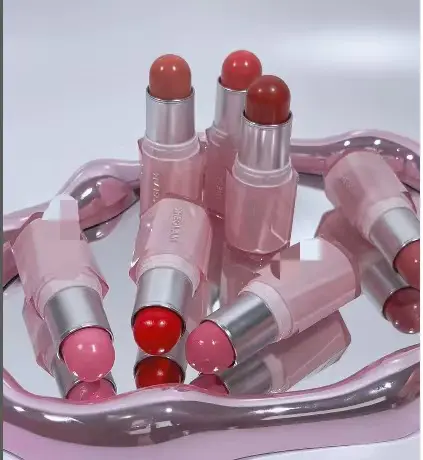
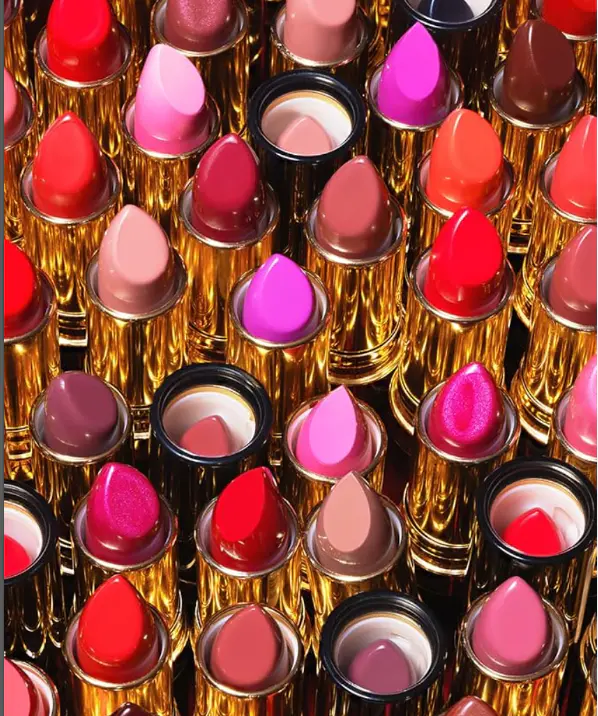
- Hydrating Cream Finish Italian Marble Sheer Lipstick
- Smudge-Resistant Rouge Hydrating Cream Lipstick
- Heart Shape Juicy Color Lip Glaze With Moisture Essence
- Transparent Hydrating Plumping Cherry Lip Glow Oil
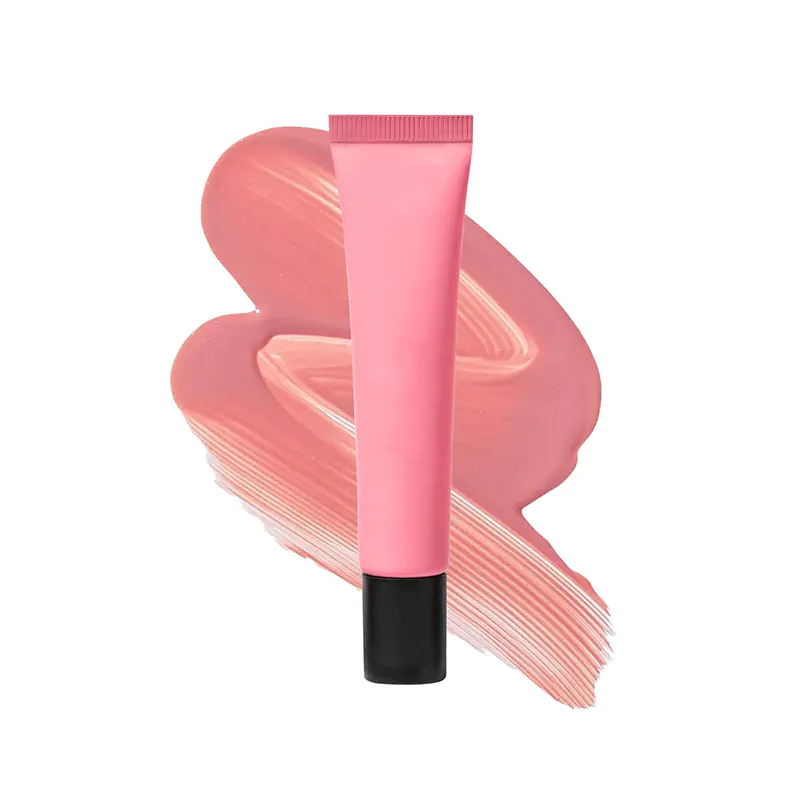
- Hydrating Nudescreen Liquid Blush & Lip Tint
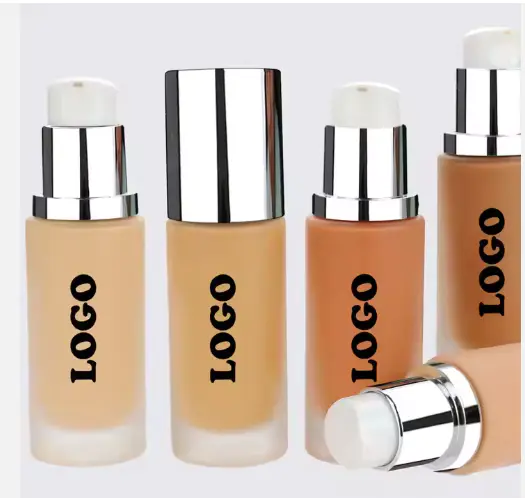
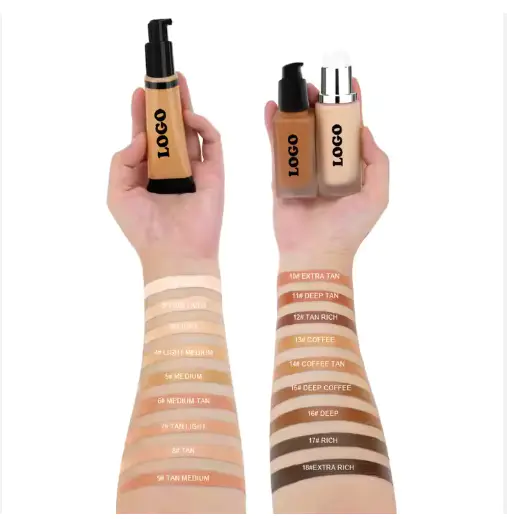
- Moisturizing Medium Coverage Dewy Foundation
- Natural Glow Finish Lightweight Hydrating Foundation


LINKS
PRODUCTS
CONTACT
-
 WhatsApp/Wechat/Phone:
+86-13423654553 -
 [email protected]
-
 No.818 Mingkai Street ,liushi Towm, dongyang City,jinhua, zhejiang, P.R.CHINA
MOBILE SITE
Copyright © Dongyang Qicai Cosmetics Co., Ltd. All Rights Reserved.

