

 Language
 中文简体
中文简体 русский
 Español
 Deutsch
 عربى
عربى Contact Us
Eyeshadow


 0
0
Product
Didn't find the product you like?
We gonna help you find matched one fast
Popular Products
How Can a Multi-Color Eyeshadow Palette Help Beauty Brands Respond to Changing Makeup Preferences?
2026-10-02
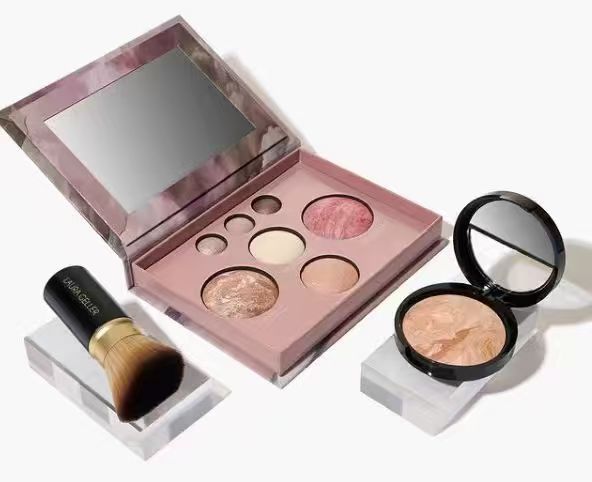
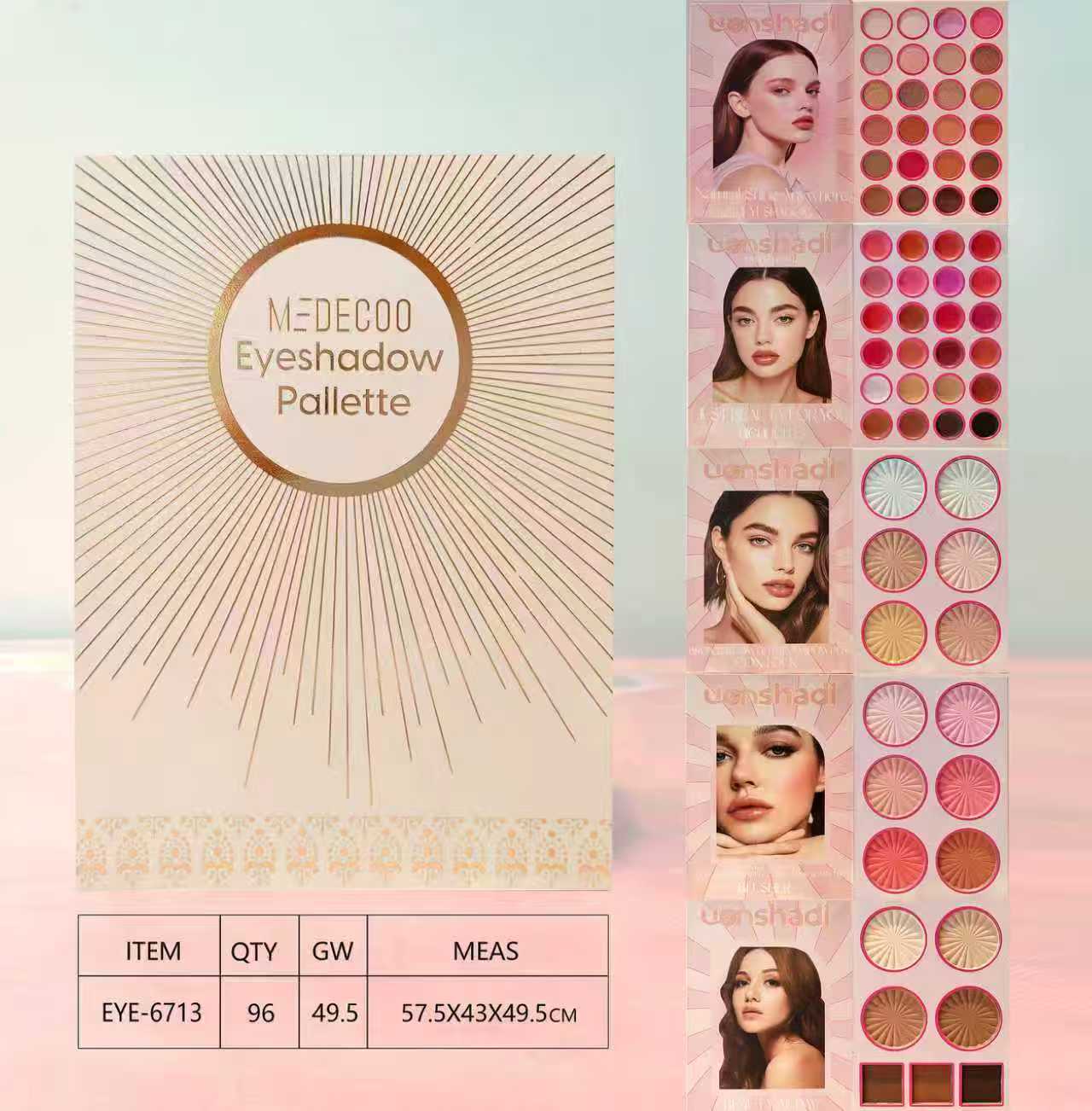
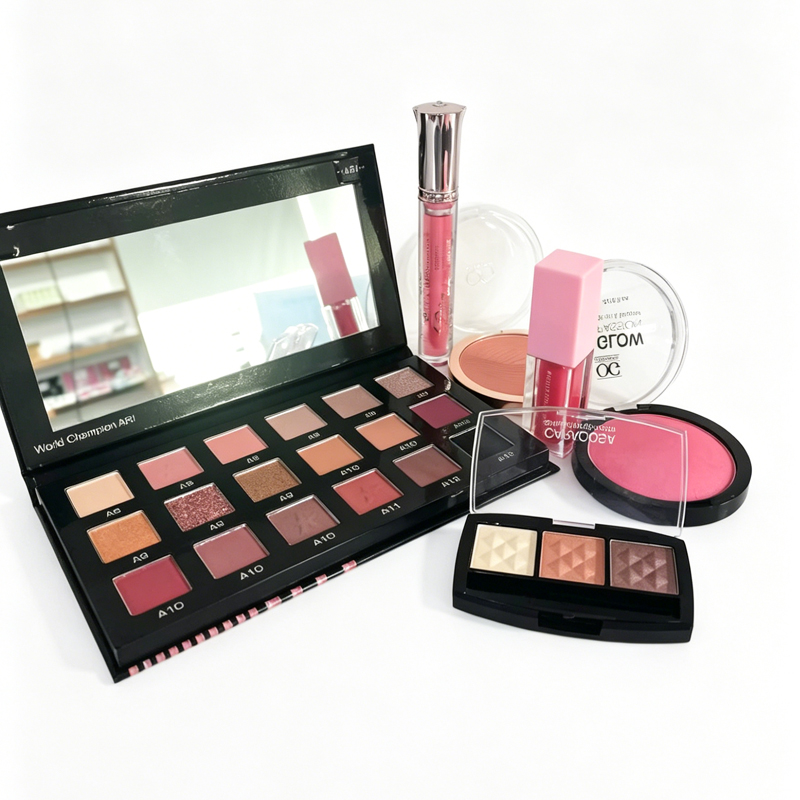
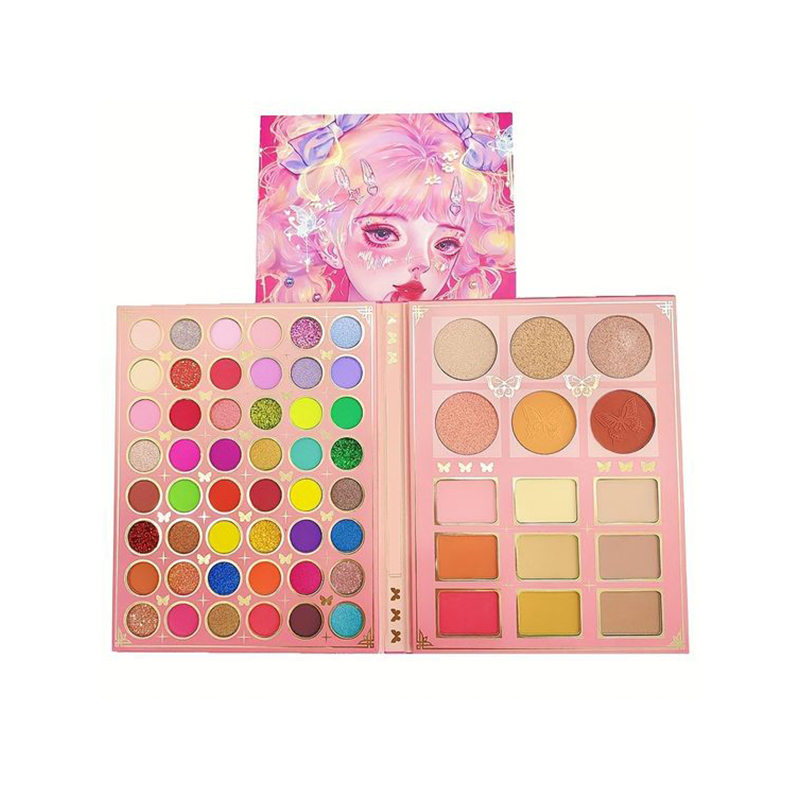
Makeup buyers are showing interest in both expressive color and wearable everyday looks, creating a more flexible product opportunity for beauty brands. In 2026, industry coverage has highlighted colorful eye makeup, pearlescent finishes, Korean-inspired techniques, and more playful approaches alongside softer, easier-to-wear looks. For distributors and private-label brands, this makes palette design an important consideration when developing products for different consumer preferences. Working with an experienced Eyeshadow Palette Manufacturer can help buyers combine shade variety, practical product design, and consistent production into one commercial solution.
Build a Palette Around More Than One Makeup Style
A palette with multiple shades gives consumers room to create different looks without purchasing several individual products. Neutral tones can support everyday makeup, while deeper or brighter shades can be used for evening, seasonal, or more creative styles.
This flexibility is particularly relevant as current eye-makeup trends move between understated and expressive finishes. Vogue's 2026 trend coverage, for example, identifies blue shadow, soft pearlescent color, graphic liner, and more playful eye looks among the year's notable directions.
Shade Variety Should Still Feel Organized
More colors do not automatically create a useful palette. The relationship between shades matters because consumers need to understand how colors can be combined.
A well-planned color story can include several tonal families and finishes while maintaining a logical progression. For buyers, the question is not simply how many pans a palette contains, but whether the assortment gives customers practical combinations for different occasions.
This is one reason multi-color palettes can be attractive for private-label projects: the color arrangement itself can become part of the product identity.
Consider Multi-Functional Product Development
Beauty consumers are increasingly interested in products that offer flexibility in their routines. Recent beauty trend reporting has highlighted multi-purpose pigments and palettes that allow related shades and textures to be used across different parts of a makeup look.
For manufacturers, this creates an opportunity to discuss product positioning before production begins. Depending on the formula and regulatory requirements of the target market, buyers can consider whether selected shades are intended only for the eyes or whether a product concept can support broader cosmetic applications.
Clear positioning helps avoid making unsupported claims while giving distributors a stronger story for product presentation.
Packaging Can Influence the Buying Experience
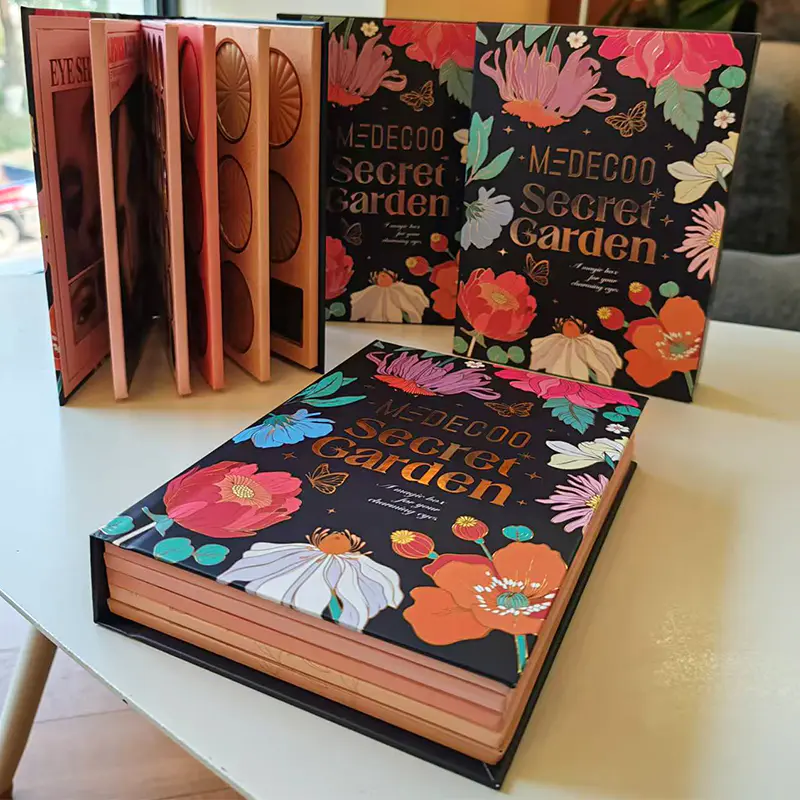
For a palette designed for retail or online sales, packaging is part of the product experience. Consumers often encounter the palette through photographs before they can assess the actual shades, so the relationship between the outer design, pan arrangement, and color story matters.
For the 63 Colors Kawaii Multi-functional Eyeshadow Palette, a larger shade selection creates room for a playful product concept while providing buyers with a visually distinctive format. For private-label customers, packaging and design can also be discussed alongside color selection to create a more coherent finished product.
Consistent Production Matters for Wholesale Orders
For a beauty brand, the appearance of a sample is only one stage of product development. When moving into larger orders, consistency between approved samples and production batches becomes important for shade appearance, filling, pressing, packaging, and overall presentation.
At Dongyang Qicai Cosmetics Co., Ltd., production is organized according to cosmetics production management standards. The company integrates development, design, R&D, and manufacturing, with professional technical personnel supporting powder and wax-based cosmetic products. This approach allows overseas buyers to discuss product development and production requirements within one supply chain.
Match MOQ With the Target Business Model
Wholesale buyers also need to consider whether the supplier's minimum order quantity fits their distribution plan. The 63 Colors Kawaii Multi-functional Eyeshadow Palette has a minimum order quantity of 2,880 units, making the product more suitable for buyers planning a structured wholesale, dealer, or private-label launch rather than very small test orders.
Before confirming production, buyers can review the target market, packaging requirements, color positioning, order quantity, and expected sales channels together. This creates a clearer specification for both the manufacturer and the purchasing team.
Develop Palettes With the Market in Mind
Current beauty conversations show that consumers are not moving toward one single makeup style. Expressive color, K-beauty-inspired techniques, softer finishes, and personalized looks are appearing alongside each other. For overseas brands and distributors, this creates room for palettes that offer variety without losing a clear product concept. As an Eyeshadow Palette Manufacturer, Dongyang Qicai Cosmetics Co., Ltd. provides development, design, R&D, and production services for powder and wax-based cosmetics, supporting large-volume purchases and long-term cooperation for dealers and project buyers.
Related Product
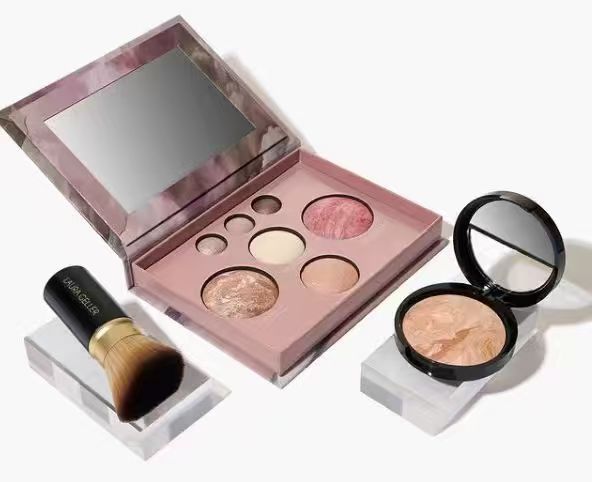
- Custom Cost-Effective Multifunctional cosmetics set
- Beautifully Packaged Multifunctional Cosmetics Set
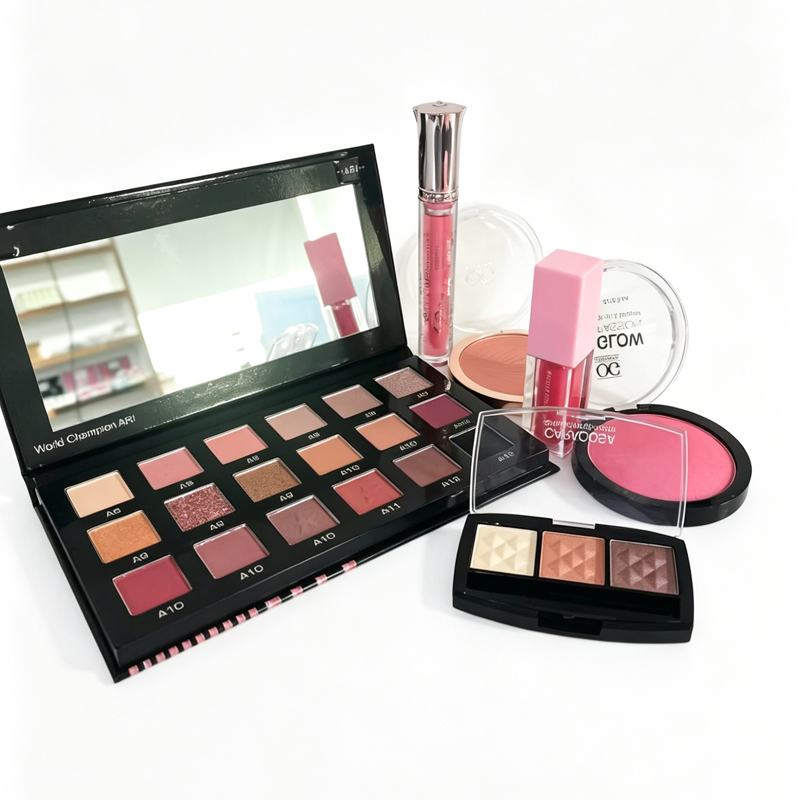
- 18 Colors Professional Makeup Eyeshadow Pallate
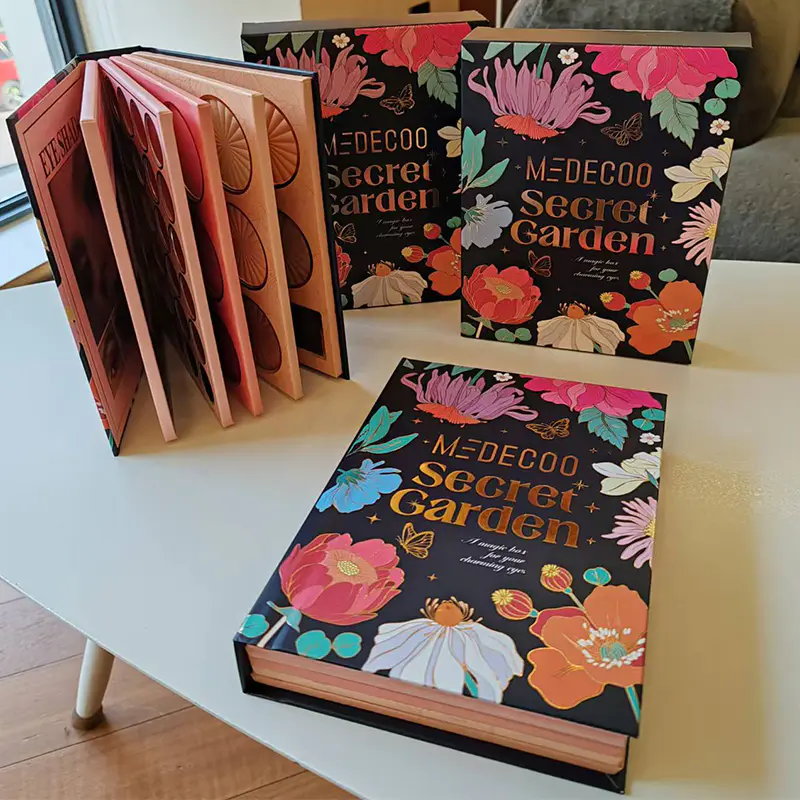
- All-in-One Makeup Book Palette Eyeshadow Palette
- Makeup Kit with Lip Liner And Powder
- Hydrating Cream Finish Italian Marble Sheer Lipstick
- Smudge-Resistant Rouge Hydrating Cream Lipstick
- Heart Shape Juicy Color Lip Glaze With Moisture Essence
- Transparent Hydrating Plumping Cherry Lip Glow Oil
- Hydrating Nudescreen Liquid Blush & Lip Tint
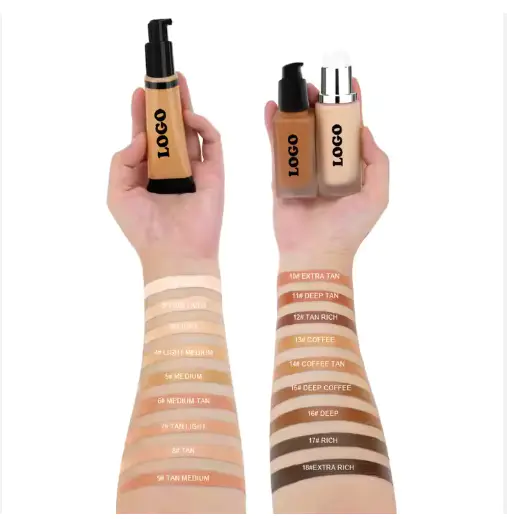
- Moisturizing Medium Coverage Dewy Foundation
- Natural Glow Finish Lightweight Hydrating Foundation


LINKS
PRODUCTS
CONTACT
-
 WhatsApp/Wechat/Phone:
+86-13423654553 -
 [email protected]
-
 No.818 Mingkai Street ,liushi Towm, dongyang City,jinhua, zhejiang, P.R.CHINA
MOBILE SITE
Copyright © Dongyang Qicai Cosmetics Co., Ltd. All Rights Reserved.

