

 Language
 中文简体
中文简体 русский
 Español
 Deutsch
 عربى
عربى Contact Us
Eyeshadow


 0
0
Product
Didn't find the product you like?
We gonna help you find matched one fast
Popular Products
Can a 61-Color Makeup Palette Meet the Demand for More Creative Beauty Looks?
2026-10-09
Makeup users are exploring more ways to express their personal style, from soft everyday colors to vivid eye looks and coordinated face makeup. This creates opportunities for beauty brands to develop products that offer variety without requiring customers to purchase numerous separate items. For brands and distributors working with an Eyeshadow Palette Manufacturer, the challenge is to balance color selection, practical usability, packaging, and product consistency. A well-planned multi-color palette can provide a flexible option for both individual makeup routines and professional beauty applications.
Make Color Variety Useful, Not Overwhelming
A large number of shades creates creative possibilities, but the arrangement of those colors matters just as much as the total count. A palette should help users understand how different shades work together rather than leave them unsure where to begin.
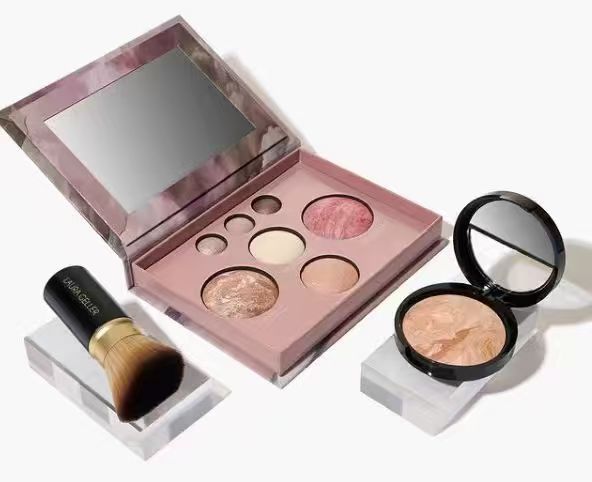
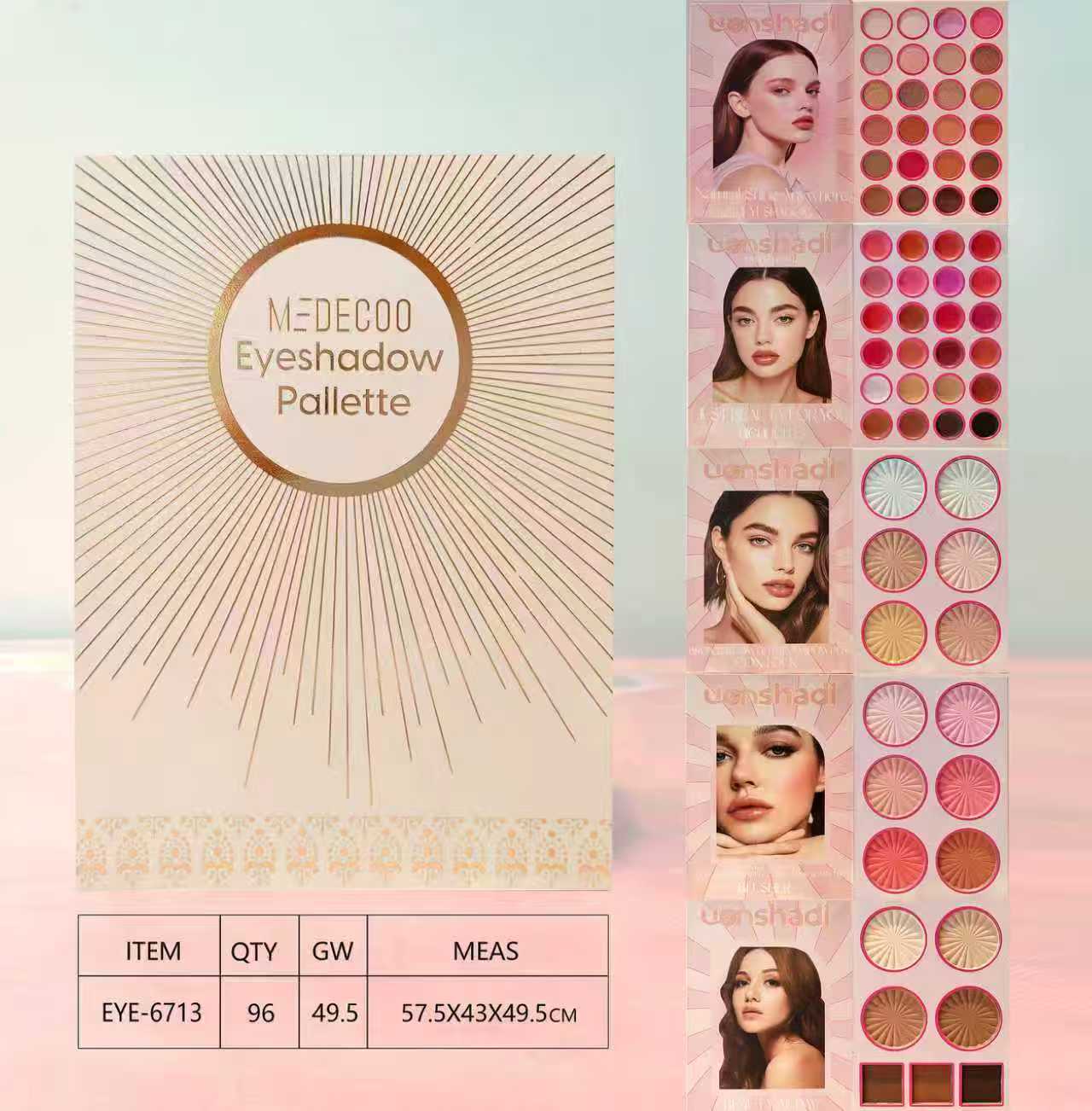
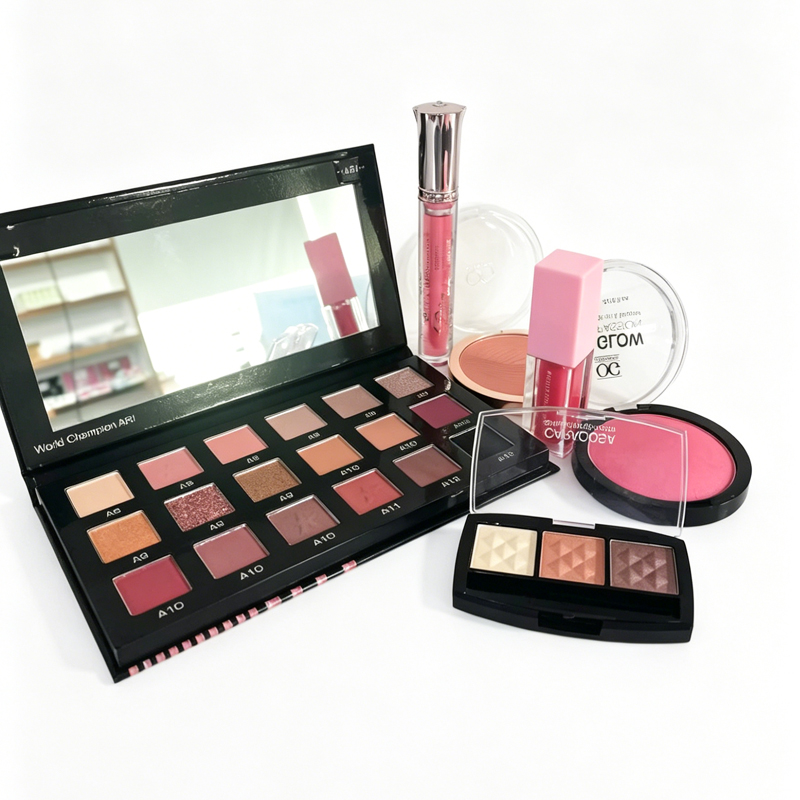
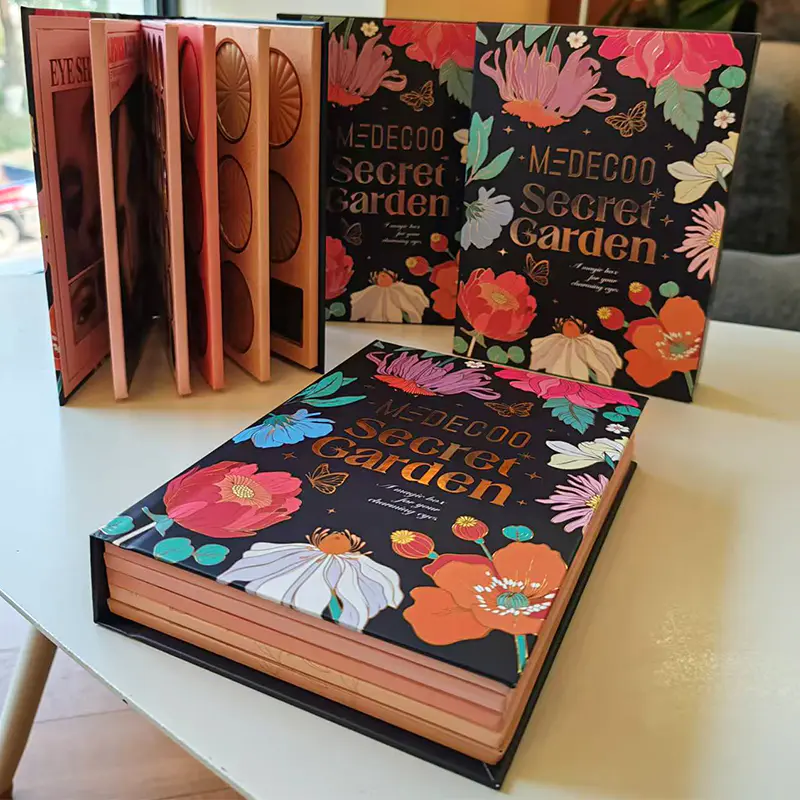
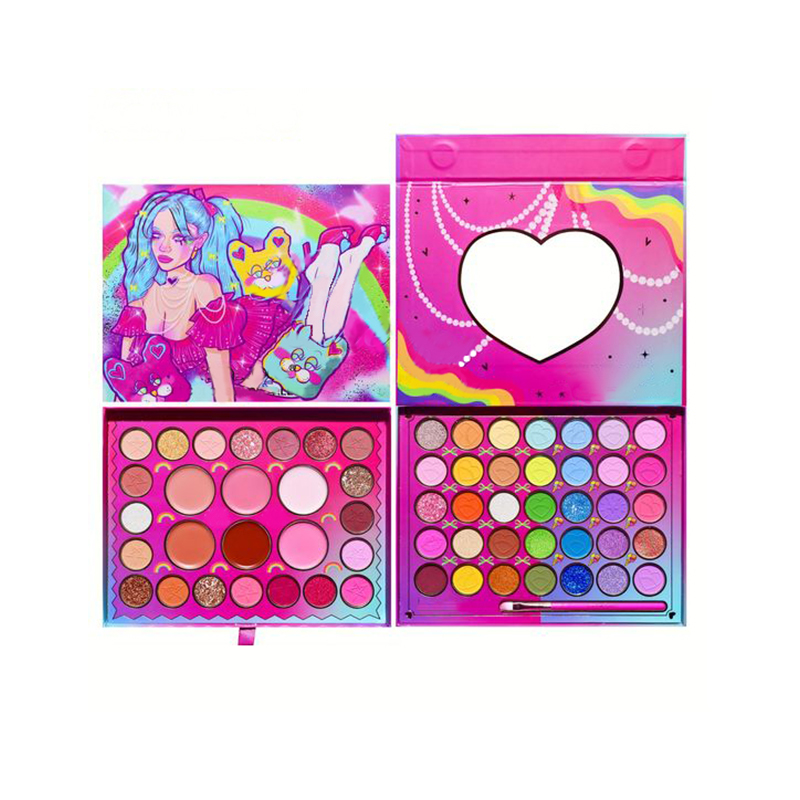
The 61 Colors Face Complete Makeup Palette offers a broad selection for experimenting with different looks. Users can explore neutral combinations for daily wear, introduce brighter colors for special occasions, or combine complementary shades for more expressive styles. For product developers, the goal is to make color variety feel intentional, giving customers more room to experiment while keeping the palette practical to use.
Design for Different Makeup Occasions
Beauty consumers do not always want the same result from their makeup. A professional may need several looks for different clients, while an everyday user may prefer a product that supports both subtle and more dramatic styles.
A multi-color makeup palette can serve different routines when its shade combinations are considered carefully. Buyers should evaluate whether the colors support the intended audience, price positioning, and retail channel. For example, a palette aimed at beginners may benefit from recognizable color combinations, while a product designed for makeup enthusiasts can place greater emphasis on creative variation.
Consider Color Coordination and Finish
A palette needs more than a collection of attractive individual shades. Colors should be considered as a coordinated range, with attention to how light, medium, and deep tones can be combined. Depending on the product specification, different finishes may also contribute to the range of looks users can create.
During product development, buyers should review:
- The balance between everyday and statement shades
- The relationship between complementary and contrasting colors
- The consistency of shade appearance across samples
- The suitability of the color range for the target market
- The performance of each shade under intended application conditions
These checks help turn a broad color selection into a more coherent product concept.
Make the Palette Easy to Use and Carry
A large palette must remain manageable during application, storage, and transportation. Pan arrangement, spacing, opening and closing mechanisms, and the overall case size can influence the user experience. If the palette is intended for travel or frequent professional use, buyers should also consider how securely the case closes and whether the product can be handled comfortably.
Packaging design should reflect the intended sales channel. Retail products may need a clear visual presentation, while professional products may prioritize convenient access to the shades. Confirming the case layout and product dimensions early can reduce the need for changes after sampling.
Treat Product Consistency as a Manufacturing Priority
For wholesale buyers, the approved sample is only one part of the purchasing decision. Bulk production should maintain consistency in shade appearance, pan filling, surface condition, and packaging assembly. Differences between samples and delivered goods can affect customer expectations and create additional work for distributors.
An Eyeshadow Palette Manufacturer should therefore establish clear specifications before production begins. Buyers can help by confirming the shade reference, packaging artwork, product configuration, labeling requirements, and acceptance criteria. Sample approval and documented checks provide a practical basis for managing repeat orders.
Match Product Development to the Target Market
Different markets may respond to different color stories, packaging styles, and product formats. A brand targeting everyday beauty users may prefer a versatile range, whereas a professional makeup collection may emphasize broader creative options. Retail positioning, intended customer age group, local product requirements, and planned distribution channels should all inform product development.
For buyers developing a private-label palette, early communication about these requirements helps align the product concept with manufacturing feasibility. It also gives the supplier a clearer basis for discussing shade selection, packaging options, and production arrangements.
Build a More Versatile Makeup Collection
A thoughtfully developed 61 Colors Face Complete Makeup Palette can give users more freedom to create different looks while offering brands a product with several potential applications. For overseas buyers, working with an experienced Eyeshadow Palette Manufacturer means evaluating the entire product, from color coordination and packaging usability to sample approval and batch consistency. By connecting these decisions with the needs of the target market, brands can develop a palette that supports creative expression and a more considered purchasing experience.
Related Product
- Custom Cost-Effective Multifunctional cosmetics set
- Beautifully Packaged Multifunctional Cosmetics Set
- 18 Colors Professional Makeup Eyeshadow Pallate
- All-in-One Makeup Book Palette Eyeshadow Palette
- Makeup Kit with Lip Liner And Powder
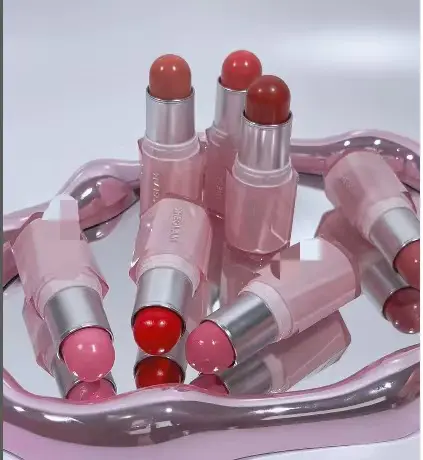
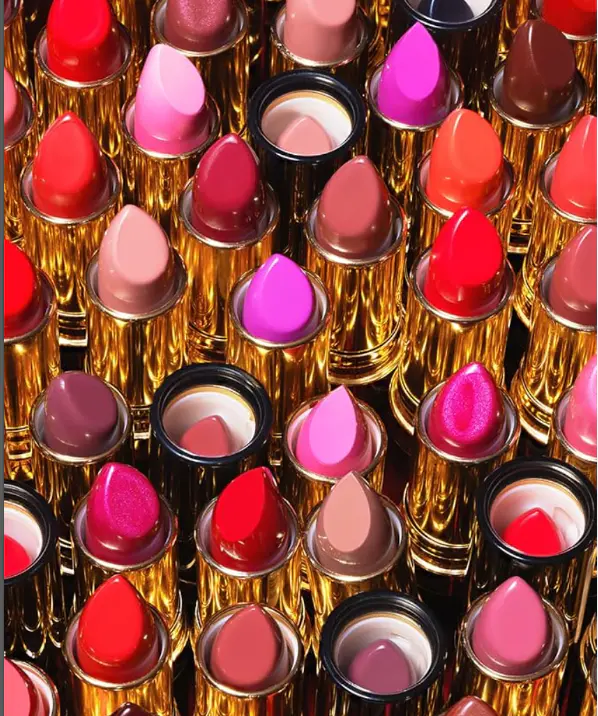
- Hydrating Cream Finish Italian Marble Sheer Lipstick
- Smudge-Resistant Rouge Hydrating Cream Lipstick
- Heart Shape Juicy Color Lip Glaze With Moisture Essence
- Transparent Hydrating Plumping Cherry Lip Glow Oil
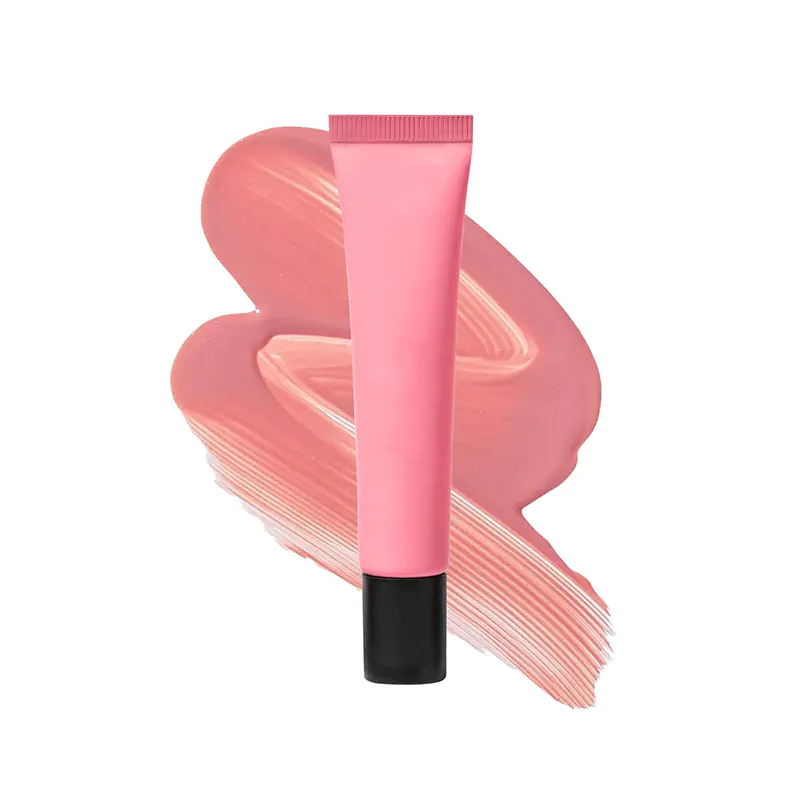
- Hydrating Nudescreen Liquid Blush & Lip Tint
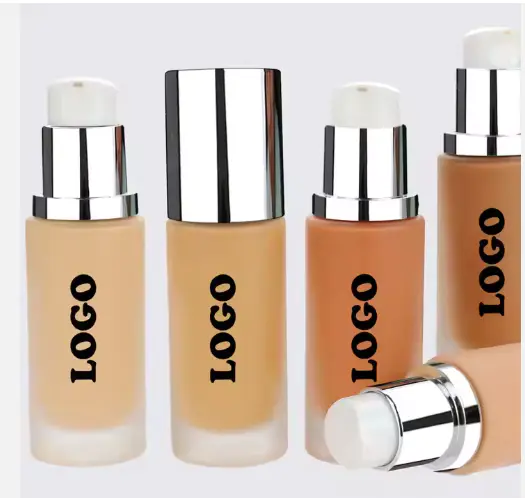
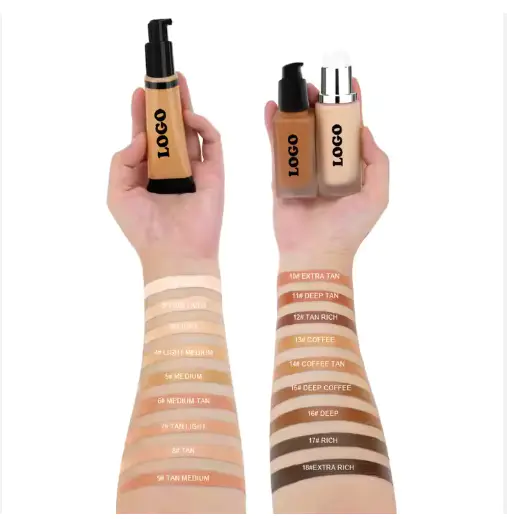
- Moisturizing Medium Coverage Dewy Foundation
- Natural Glow Finish Lightweight Hydrating Foundation


LINKS
PRODUCTS
CONTACT
-
 WhatsApp/Wechat/Phone:
+86-13423654553 -
 [email protected]
-
 No.818 Mingkai Street ,liushi Towm, dongyang City,jinhua, zhejiang, P.R.CHINA
MOBILE SITE
Copyright © Dongyang Qicai Cosmetics Co., Ltd. All Rights Reserved.

