

 Language
 中文简体
 русский
 Español
 Deutsch
 عربى
 Contact Us
Eyeshadow


 0
Product
Didn't find the product you like?
We gonna help you find matched one fast
Popular Products
Could a Royal Purple Eyeshadow Palette Help Beauty Brands Create a More Distinctive Collection?
2026-10-23
Color identity plays an important role in how consumers discover and choose makeup products. While neutral shades remain useful for everyday routines, distinctive colors give beauty brands another way to communicate personality, creativity, and collection themes. Purple, in particular, can work across soft romantic looks, dramatic evening makeup, and editorial styles when the shades are coordinated thoughtfully. For brands evaluating an Eyeshadow Palette Manufacturer, the challenge is to develop a product that combines visual character with practical usability, clear formulation information, and reliable production quality.

Give Purple Shades a Clear Product Identity
A purple palette should offer more than several variations of the same color. Differences in depth, undertone, and finish can help users create looks ranging from subtle accents to more expressive eye makeup. Pale lavender may support a softer appearance, while deeper royal purple can add contrast and definition.
The 18 Colors Royal Purple Vegan Eye Shadow Palette is designed around this distinctive color direction. For beauty brands, a focused palette can help establish a recognizable visual identity within a wider makeup collection. The key is to ensure that the shades work together while offering enough variation to support different preferences and occasions.
Make Shade Combinations Easy to Understand
A visually attractive palette still needs to be convenient to use. Customers may hesitate when they cannot tell which shades complement one another or how to build a complete look. A well-planned color arrangement can make the product easier to understand, particularly for customers who are experimenting with purple makeup for the first time.
During product development, buyers should consider whether the palette includes a practical balance of lighter transition shades, deeper defining colors, and tones that create contrast. The exact arrangement should reflect the intended formula and product concept. Clear shade descriptions and useful product photography can further help customers understand the palette before purchasing.
Communicate Vegan and Cruelty-Free Positioning Clearly
Ethical beauty remains a relevant consideration for some consumers, making formulation claims an important part of product communication. However, terms such as vegan and cruelty-free should be supported by appropriate supplier documentation and reviewed against the requirements of the intended sales markets.
For brands sourcing a vegan eyeshadow palette, practical questions include whether the formula contains animal-derived ingredients, what documentation is available, and whether the finished product's claims can be substantiated. Clear communication helps buyers develop accurate packaging and marketing materials without making promises that exceed the available evidence.
Evaluate Formula Performance Beyond Color Appearance
Color payoff is only one part of the user experience. Buyers should also assess texture, blendability, adhesion, fallout, and how the shades perform when applied with different tools. These characteristics may vary between matte, shimmer, and other finishes, so testing should reflect the actual formula rather than relying on the palette's appearance in photographs.
A useful sample review can include:
- Color appearance under different lighting conditions
- Ease of blending and layering
- Texture and pickup with a brush or fingertip
- Fallout during application
- Consistency between repeated applications
The results help brands identify whether the product aligns with their quality expectations and target customers.
Design Packaging Around the Product Positioning
Royal purple can serve as both a shade theme and a visual cue for packaging. A coordinated case, readable product information, and a practical layout can reinforce the palette's identity without making the design unnecessarily complicated.
Buyers should consider case dimensions, pan arrangement, closure security, labeling, and protection during transportation. Packaging decisions also affect how the product appears in retail displays and online listings. Confirming artwork and structural details before bulk production can reduce avoidable revisions later in the process.
Establish Consistency Before Bulk Production
For overseas distributors and private-label brands, approving a sample is only the beginning. Production requirements should define the expected shade range, formula characteristics, pan filling, case assembly, labeling, and packaging condition. These details provide a common reference for quality checks and repeat orders.
Working with an Eyeshadow Palette Manufacturer also involves discussing the intended order quantity, product configuration, documentation, and any market-specific requirements. Clear specifications make it easier to identify differences during inspection and help both parties understand what the approved product should look like.
Turn a Distinctive Color Story Into a Marketable Product
A focused purple palette can help a beauty brand add a more expressive option to its collection while serving customers who enjoy experimenting with eye makeup. The 18 Colors Royal Purple Vegan Eye Shadow Palette brings together a defined color direction and vegan positioning, giving buyers a clear concept to evaluate against their market needs. By reviewing formulation claims, shade performance, packaging, and production consistency with an Eyeshadow Palette Manufacturer, brands can make more informed product decisions and build a collection with a recognizable identity.
Related Product
- Custom Cost-Effective Multifunctional cosmetics set
- Beautifully Packaged Multifunctional Cosmetics Set
- 18 Colors Professional Makeup Eyeshadow Pallate
- All-in-One Makeup Book Palette Eyeshadow Palette
- Makeup Kit with Lip Liner And Powder
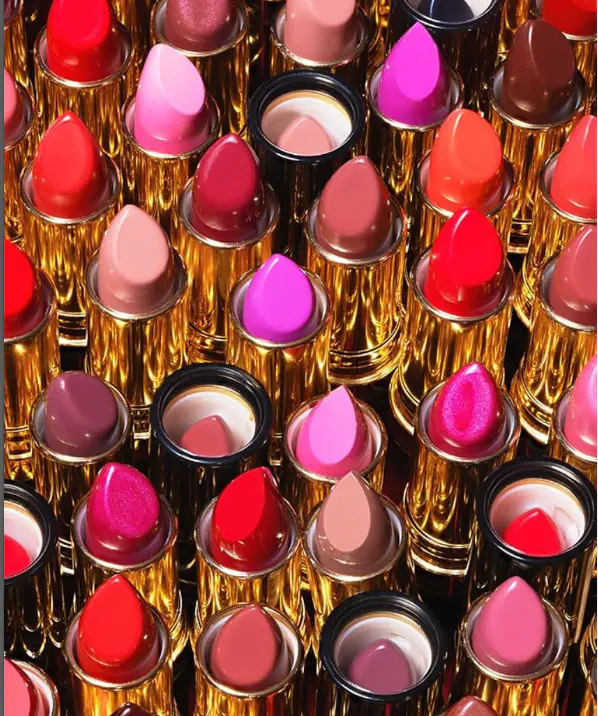
- Hydrating Cream Finish Italian Marble Sheer Lipstick
- Smudge-Resistant Rouge Hydrating Cream Lipstick
- Heart Shape Juicy Color Lip Glaze With Moisture Essence
- Transparent Hydrating Plumping Cherry Lip Glow Oil
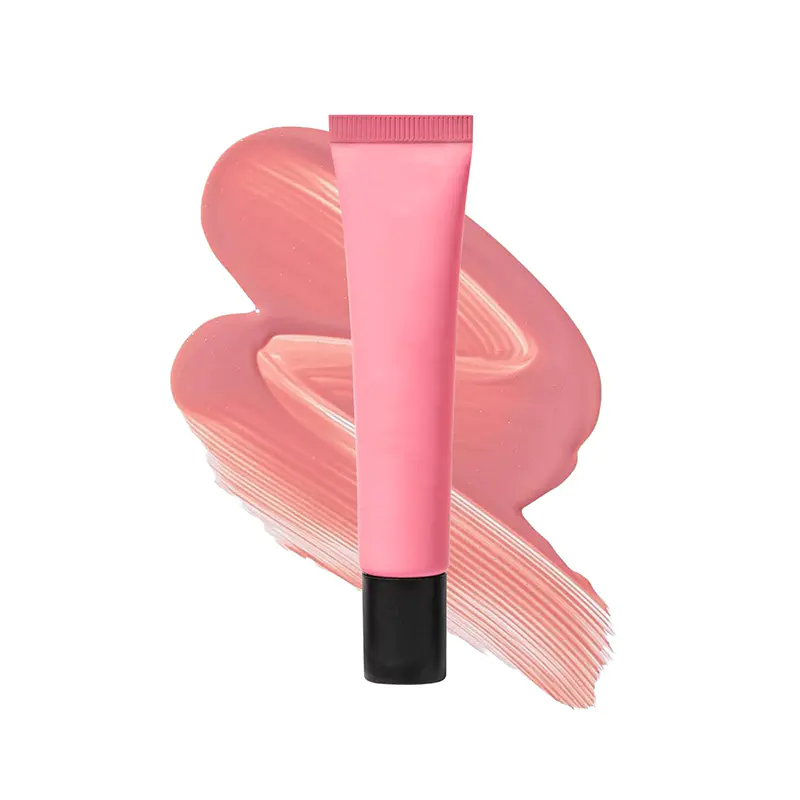
- Hydrating Nudescreen Liquid Blush & Lip Tint
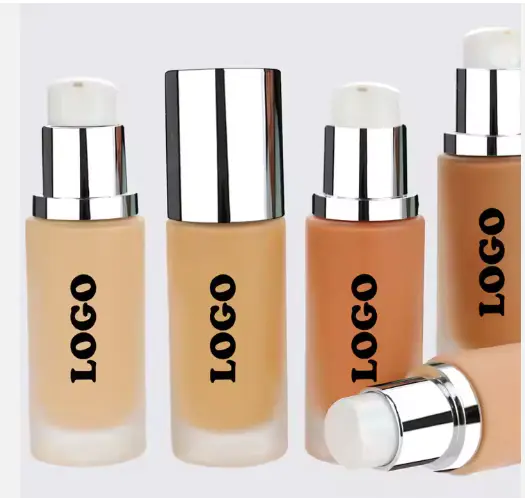
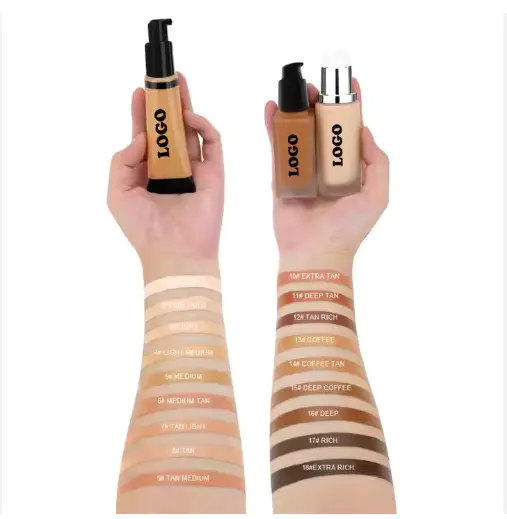
- Moisturizing Medium Coverage Dewy Foundation
- Natural Glow Finish Lightweight Hydrating Foundation


LINKS
PRODUCTS
CONTACT
-
 WhatsApp/Wechat/Phone:
+86-13423654553 -
 [email protected]
-
 No.818 Mingkai Street ,liushi Towm, dongyang City,jinhua, zhejiang, P.R.CHINA
MOBILE SITE
Copyright © Dongyang Qicai Cosmetics Co., Ltd. All Rights Reserved.

