

 Language
 中文简体
中文简体 русский
 Español
 Deutsch
 عربى
عربى Contact Us
Eyeshadow


 0
0
Product
Didn't find the product you like?
We gonna help you find matched one fast
Popular Products
Can Creative Eyeshadow Palette Packaging Make a Makeup Product More Appealing?
2026-10-16
In the beauty market, a makeup product needs to offer more than attractive shades. Packaging, portability, color coordination, and ease of use all influence how consumers perceive an eyeshadow palette. Products with playful designs and compact formats can also help beauty brands develop collections for younger audiences and gift-oriented retail categories. For businesses sourcing from an Eyeshadow Palette Manufacturer, the challenge is to combine visual appeal with practical product design, consistent color quality, and reliable manufacturing.
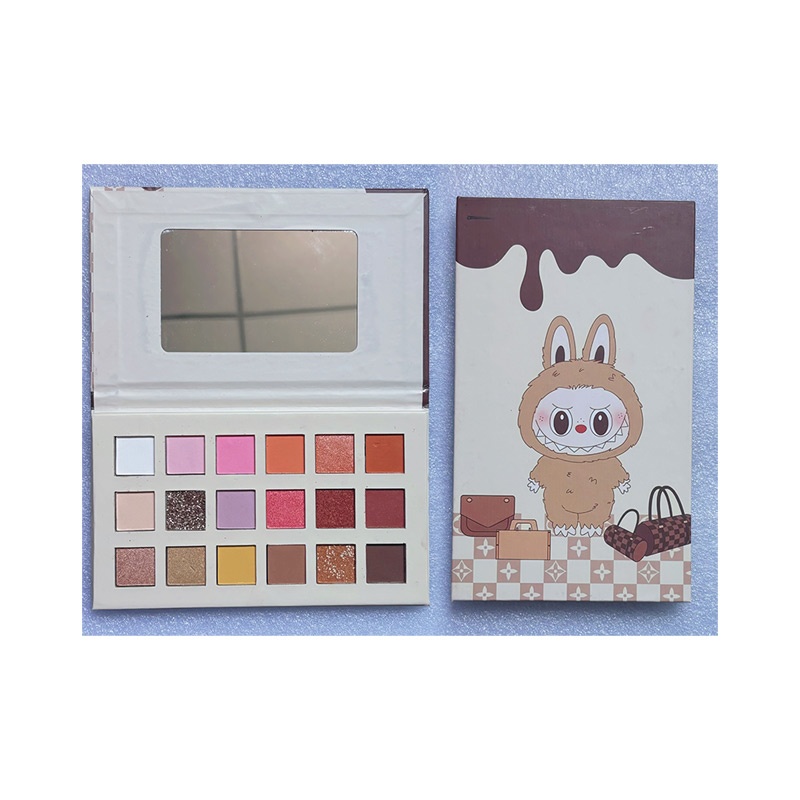
Packaging Can Become Part of the Product Experience
Traditional rectangular palettes remain useful, but distinctive packaging can give a product a recognizable identity. A smartphone-inspired case, for example, creates a playful visual connection with accessories that younger consumers already recognize. The design can make the palette feel more like a lifestyle product rather than simply a collection of cosmetic powders.
For manufacturers, creative packaging requires careful attention to more than appearance. The case should open and close properly, protect the pans during handling, and provide enough space for the selected shades. Buyers developing private-label collections should consider whether the packaging concept fits their target audience, retail positioning, and planned price range.
Color Selection Should Follow a Clear Theme
A palette containing many shades is not automatically more useful than one with fewer colors. The relationship between shades matters because consumers often want to combine colors without needing extensive makeup knowledge.
A 20-color eyeshadow palette can offer room for coordinated neutrals, brighter accent shades, shimmer finishes, and other combinations, depending on the final formulation. Manufacturers should consider how the shades work together visually and whether the overall collection supports the intended product concept.
For overseas buyers, a clear color story can make product positioning easier. Before approving a palette, review the shades under consistent lighting and assess whether the combinations suit the target audience and intended makeup styles.
Portability Must Work With Practical Protection
Compact makeup products are convenient for travel, school bags, handbags, and everyday touch-ups. However, a portable design still needs to protect the powder pans during storage and transportation.
Manufacturers should evaluate the internal layout, pan fixation, closure structure, and available space for any included applicator. The case should be easy to carry without making the powders unnecessarily vulnerable to impact. Packaging tests can help identify movement or breakage risks before a product enters mass production.
When sourcing a portable eyeshadow palette, buyers should ask how the finished product is protected during packing and shipping. A visually appealing case is more commercially useful when its construction also supports ordinary handling.
What Should Buyers Check Before Approving a Palette?
A product sample helps purchasing teams evaluate details that may not be obvious in a design image. Before confirming an order, buyers can review:
- Shade assortment and consistency with the approved color reference
- Powder texture, application feel, and visible finish
- Pan placement and resistance to movement
- Case closure, hinge function, and surface finish
- Packaging dimensions and protection during transit
- Labeling, ingredient information, and applicable market requirements
These checks give buyers a structured way to compare samples and clarify expectations before production. Cosmetic formulation and labeling requirements should be confirmed for the destination market rather than assumed to be identical everywhere.
Formula Performance Matters as Much as Appearance
Eyeshadow products can differ in pigmentation, blendability, texture, and finish. A palette may contain attractive colors, but the formula still needs to suit the intended use and product positioning.
Manufacturers should evaluate the formulation and shade performance through an appropriate product-development process. This can include reviewing powder consistency, checking for visible defects, and assessing whether the finished shades correspond to the approved samples. Claims about wear time or other performance characteristics should be supported by suitable testing before being used in product descriptions.
For buyers, discussing the desired finish and application experience early helps the manufacturer determine which formulation direction is appropriate.
Customization Helps Brands Build a Distinct Collection
Private-label projects may require different color combinations, case finishes, logo placement, decorative details, and retail packaging. These elements should be planned together so that the final product has a consistent appearance rather than a collection of unrelated design choices.
An Eyeshadow Palette Manufacturer can organize customization around the target audience, selected shades, packaging structure, and production requirements. Buyers should confirm artwork, color references, labeling information, and sample approval before mass production begins. Documenting these decisions also makes repeat orders easier to manage.
Turn a Creative Concept Into a Production-Ready Product
A distinctive eyeshadow palette succeeds when its visual concept, formula, internal structure, and packaging work together. A smartphone-inspired design such as the 20 Colors Cellphone Bling Makeup Palette for Girls offers one example of how playful styling can be combined with a multi-shade makeup format.
For overseas beauty brands, distributors, and importers, working with an experienced Eyeshadow Palette Manufacturer helps connect creative ideas with practical product development. By confirming color direction, packaging performance, customization details, and quality checks early, buyers can build a product specification that is more suitable for their target market and production goals.
Related Product
- Custom Cost-Effective Multifunctional cosmetics set
- Beautifully Packaged Multifunctional Cosmetics Set
- 18 Colors Professional Makeup Eyeshadow Pallate
- All-in-One Makeup Book Palette Eyeshadow Palette
- Makeup Kit with Lip Liner And Powder
- Hydrating Cream Finish Italian Marble Sheer Lipstick
- Smudge-Resistant Rouge Hydrating Cream Lipstick
- Heart Shape Juicy Color Lip Glaze With Moisture Essence
- Transparent Hydrating Plumping Cherry Lip Glow Oil
- Hydrating Nudescreen Liquid Blush & Lip Tint
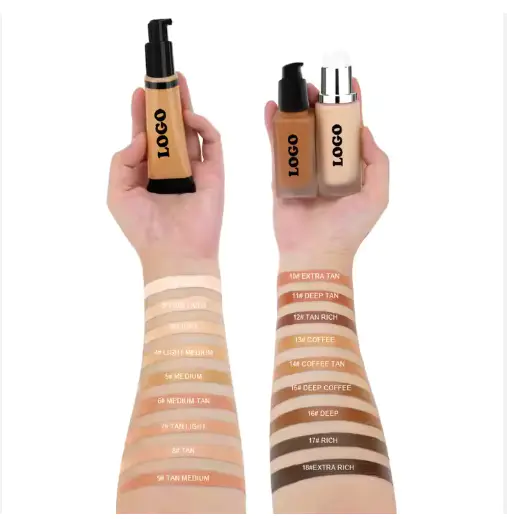
- Moisturizing Medium Coverage Dewy Foundation
- Natural Glow Finish Lightweight Hydrating Foundation


LINKS
PRODUCTS
CONTACT
-
 WhatsApp/Wechat/Phone:
+86-13423654553 -
 [email protected]
-
 No.818 Mingkai Street ,liushi Towm, dongyang City,jinhua, zhejiang, P.R.CHINA
MOBILE SITE
Copyright © Dongyang Qicai Cosmetics Co., Ltd. All Rights Reserved.

