

 Language
 中文简体
中文简体 русский
 Español
 Deutsch
 عربى
عربى Contact Us
Eyeshadow


 0
0
Product
Didn't find the product you like?
We gonna help you find matched one fast
Popular Products
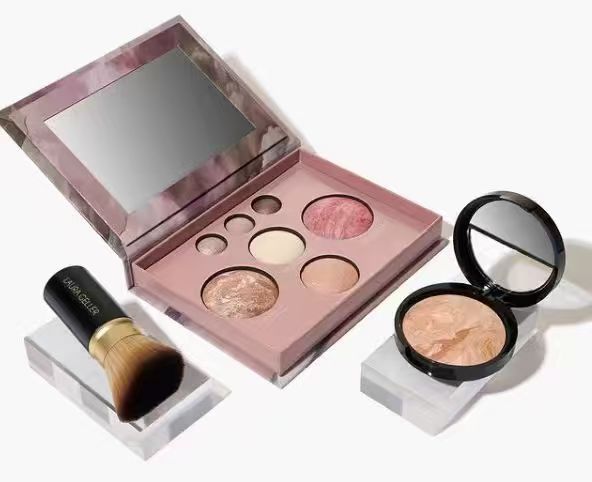
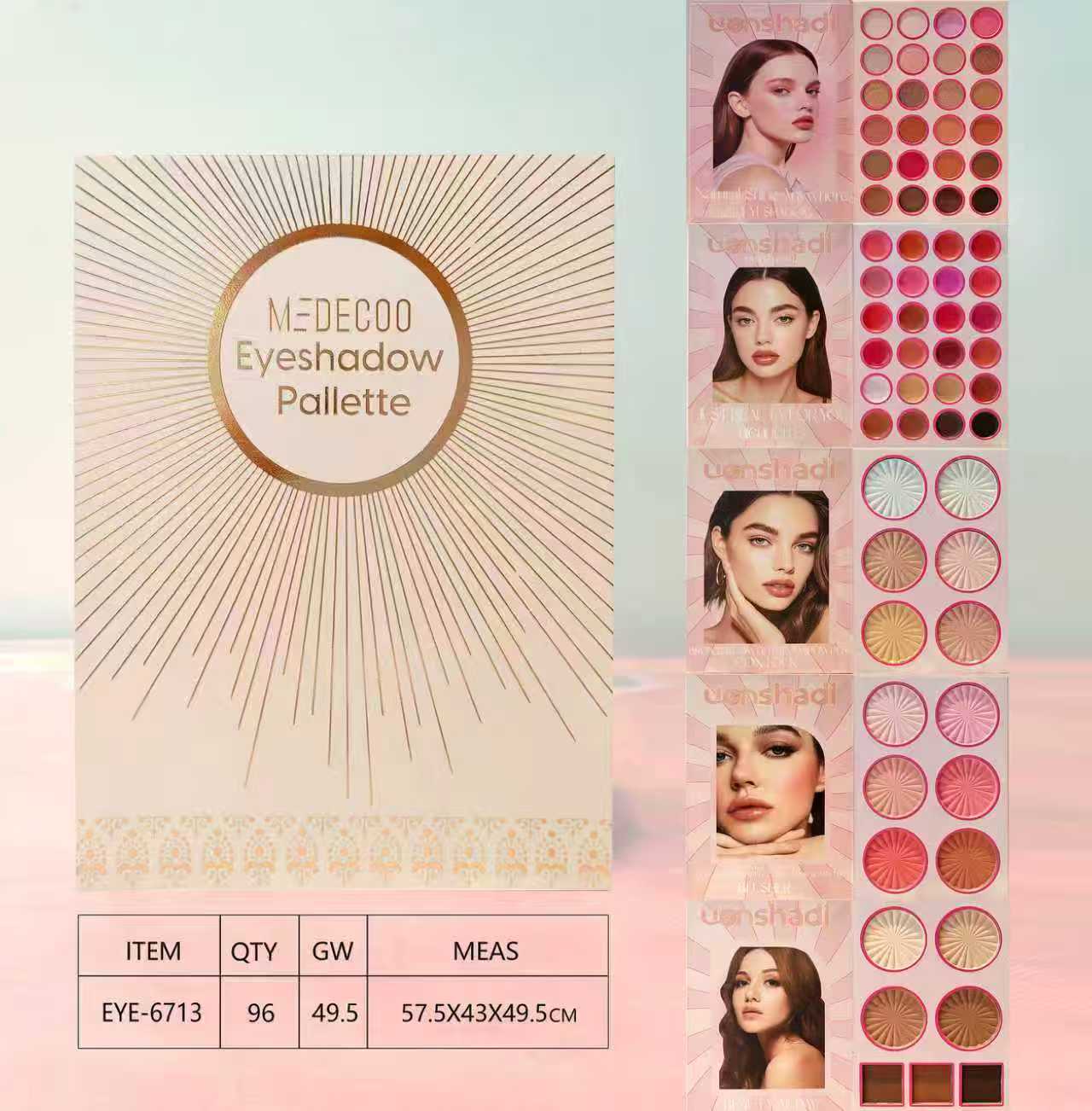
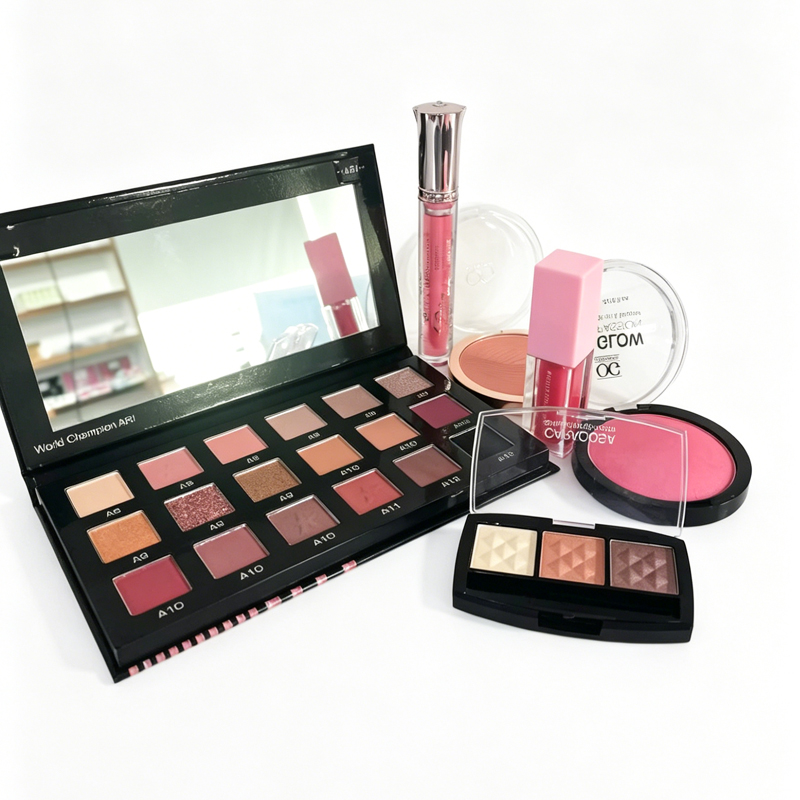
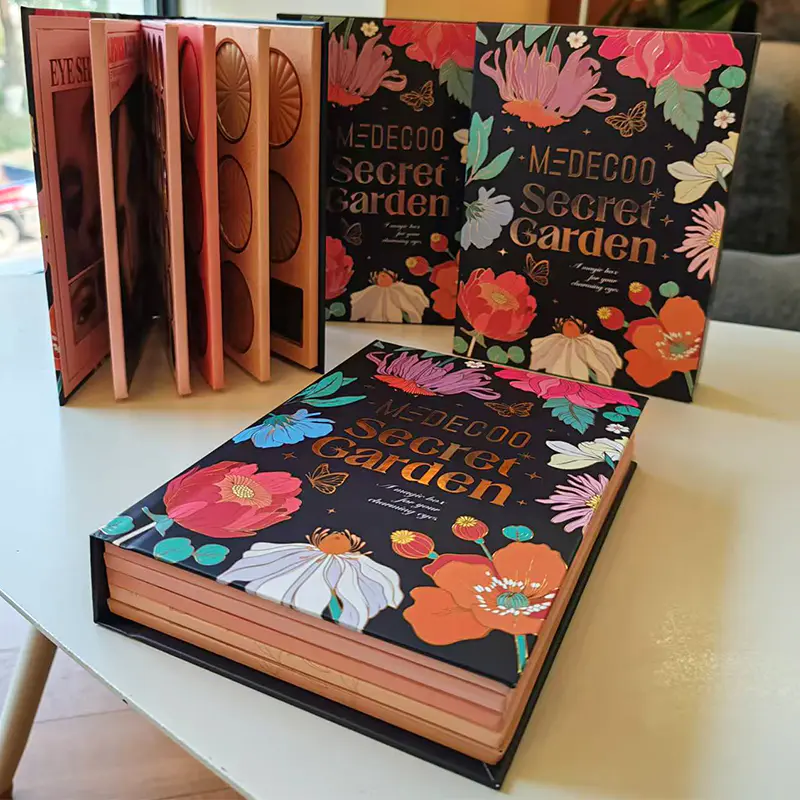
Basic Cosmetics For Women: Minimal Ingredient Focus In Modern Skincare
2026-05-15
Basic Cosmetics For Women development is increasingly influenced by formulation simplicity and ingredient transparency, while an Eyeshadow Palette Manufacturer also adapts to this shift by adjusting how color cosmetics interact with skin-oriented expectations in everyday use. Across both skincare-related and decorative cosmetic categories, the direction toward fewer but more targeted ingredients is shaping how products are designed, stored, and evaluated in retail environments.
This approach does not only affect skincare items but also extends into makeup products that stay in contact with skin for extended periods. As consumers become more attentive to ingredient lists, formulation structure and product compatibility are now considered together rather than separately.
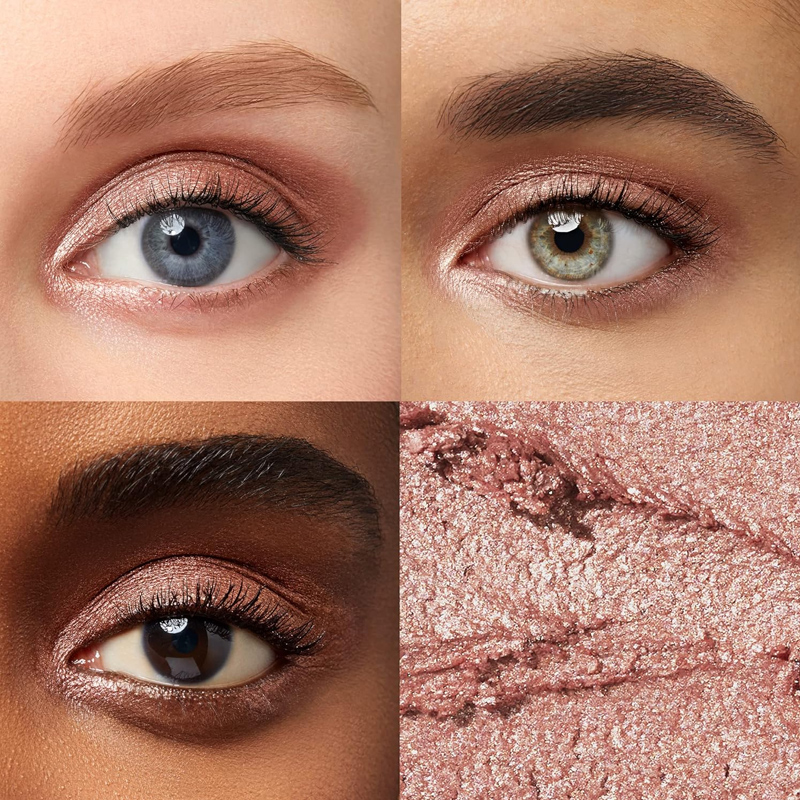
Why Ingredient Simplicity Became a Formulation Focus
In recent years, cosmetic development has been influenced by a preference for shorter ingredient lists and clearer formulation logic. Basic Cosmetics For Women often include multi-functional products such as moisturizers with light tinting or hybrid makeup-skincare items, which place additional pressure on formulation balance.
Complex formulas with multiple additive layers can sometimes create inconsistency in texture or stability, especially when exposed to heat, humidity, or long storage cycles. This is particularly relevant for color cosmetics produced by an Eyeshadow Palette Manufacturer, where pigment systems and binding agents must remain stable while still aligning with skin-contact considerations.
Another factor is product layering. Many users apply skincare and makeup in sequential steps, and overly complex ingredient structures can cause compatibility issues such as uneven texture blending or surface residue. As a result, formulation teams increasingly evaluate how each ingredient behaves not only individually but also in combination with others across product categories.
Retail distribution also plays a role. Products that pass through multiple handling stages may experience slight structural changes if formulations are not simplified and stabilized. This has led to greater attention on ingredient selection efficiency rather than ingredient volume.
Formulation Shifts Toward Simplified Structures
Modern cosmetic formulation trends show a gradual move toward reducing overlapping functional ingredients while maintaining structural balance. In Basic Cosmetics For Women, this often means combining similar functional roles into fewer components rather than introducing separate additives for each function.
For example, emulsifiers and stabilizers are now selected to perform multiple roles where possible, reducing the need for additional layers of supporting ingredients. This helps maintain a more uniform texture across different environmental conditions without increasing formulation complexity.
Within color cosmetics produced by an Eyeshadow Palette Manufacturer, pigment binding systems are also being refined. Instead of relying on multiple binding agents, formulations may use a more streamlined combination that supports pigment adhesion and reduces separation during storage or transport.
Key formulation adjustments include:
- Reducing overlapping functional additives in base formulations
- Selecting pigments with stable dispersion behavior in powder systems
- Adjusting binder ratios to support consistent press density
- Limiting moisture-sensitive components in shared cosmetic environments
- Aligning skincare-compatible ingredients with color cosmetic bases
These adjustments are not about reducing performance expectations but about creating a more predictable structure that behaves consistently across different usage and storage conditions.
Application in Daily Cosmetic and Skincare Routines
In daily routines, simplified cosmetic structures allow users to layer skincare and makeup with fewer concerns about texture conflict. Basic Cosmetics For Women are often applied in sequence, starting from skincare preparation and followed by makeup application, where compatibility between layers becomes important.
When ingredient structures are less complex, absorption timing and surface interaction tend to be more predictable. This can be relevant for users applying lightweight skincare before using powder-based products such as eyeshadow palettes, where surface dryness or moisture balance can influence application smoothness.
For travel or on-the-go usage, simplified formulations also reduce sensitivity to environmental change. Products that rely on fewer reactive ingredients tend to maintain more consistent texture under temperature shifts, which is useful for both skincare and makeup products stored in compact kits.
In retail usage scenarios, testers and display units benefit from simplified ingredient systems as well. Reduced formulation complexity can lower the likelihood of visible separation or surface texture change over time, helping maintain consistency between tester experience and packaged products.
Observed Production Comparisons and Batch Behavior
In controlled production comparisons, formulation batches with simplified ingredient structures often show more consistent behavior during storage simulation tests. For example, when two versions of a powder-based cosmetic system were prepared—one with layered binding agents and one with a streamlined binder system—the simplified version demonstrated more stable surface uniformity after repeated temperature cycling.
In another internal observation involving pigment dispersion testing, palettes produced under a reduced-additive formulation showed less visible clustering of pigment particles after vibration simulation. This suggests that fewer interacting ingredients may reduce internal movement within pressed powder structures.
Related Product
- Custom Cost-Effective Multifunctional cosmetics set
- Beautifully Packaged Multifunctional Cosmetics Set
- 18 Colors Professional Makeup Eyeshadow Pallate
- All-in-One Makeup Book Palette Eyeshadow Palette
- Makeup Kit with Lip Liner And Powder
- Hydrating Cream Finish Italian Marble Sheer Lipstick
- Smudge-Resistant Rouge Hydrating Cream Lipstick
- Heart Shape Juicy Color Lip Glaze With Moisture Essence
- Transparent Hydrating Plumping Cherry Lip Glow Oil
- Hydrating Nudescreen Liquid Blush & Lip Tint
- Moisturizing Medium Coverage Dewy Foundation
- Natural Glow Finish Lightweight Hydrating Foundation


LINKS
PRODUCTS
CONTACT
-
 WhatsApp/Wechat/Phone:
+86-13423654553 -
 [email protected]
-
 No.818 Mingkai Street ,liushi Towm, dongyang City,jinhua, zhejiang, P.R.CHINA
MOBILE SITE
Copyright © Dongyang Qicai Cosmetics Co., Ltd. All Rights Reserved.

