

 Language
 中文简体
中文简体 русский
 Español
 Deutsch
 عربى
عربى Contact Us
Eyeshadow


 0
0
Product
Didn't find the product you like?
We gonna help you find matched one fast
Popular Products
What Techniques Improve Eyeshadow Application Using Factory Palettes?
2025-11-21
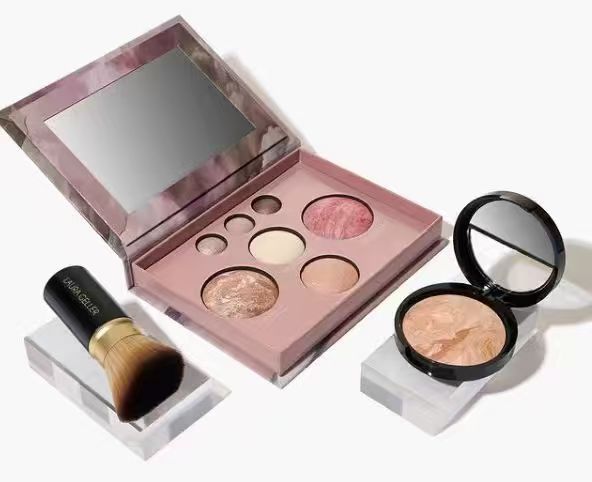
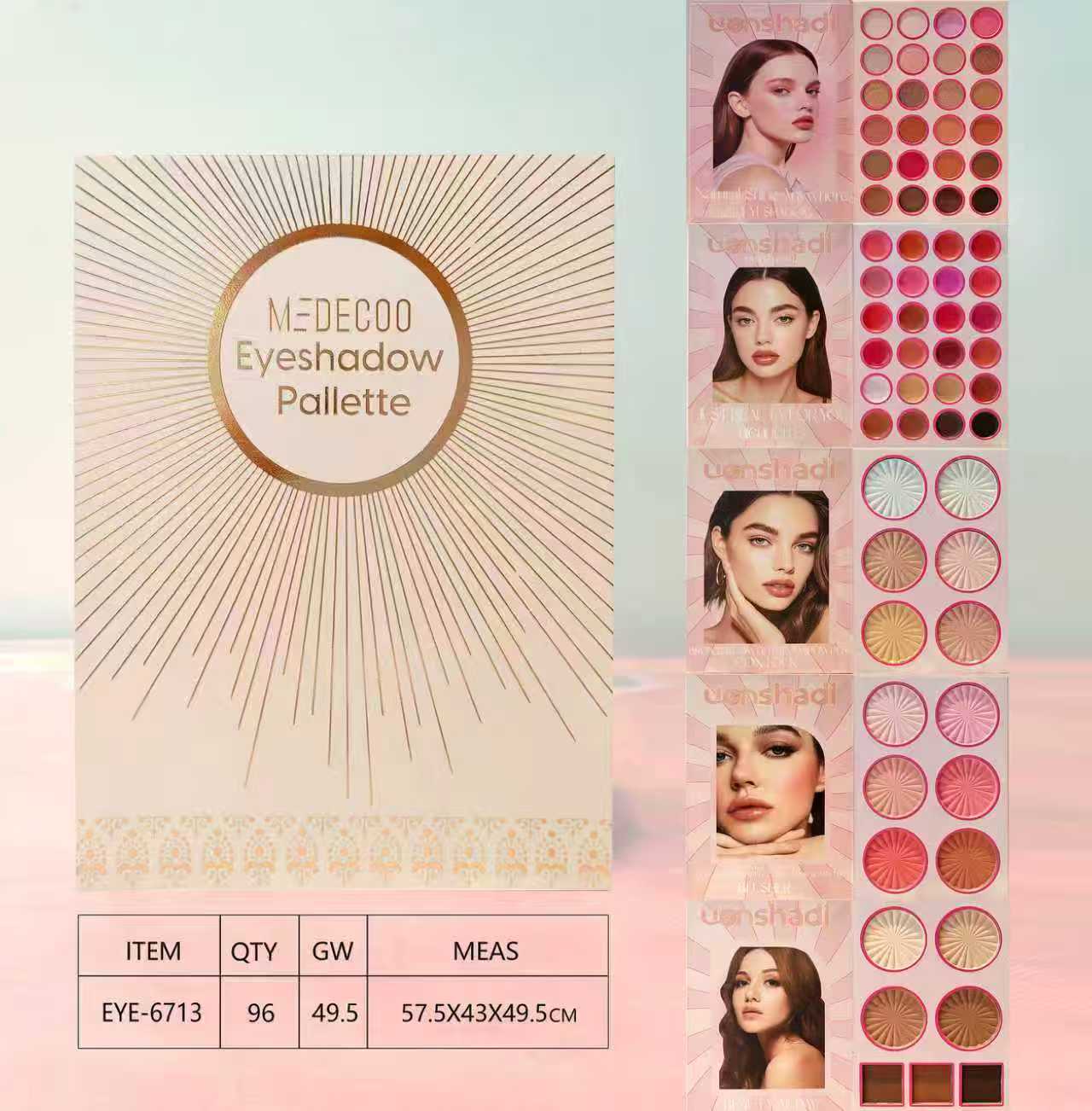
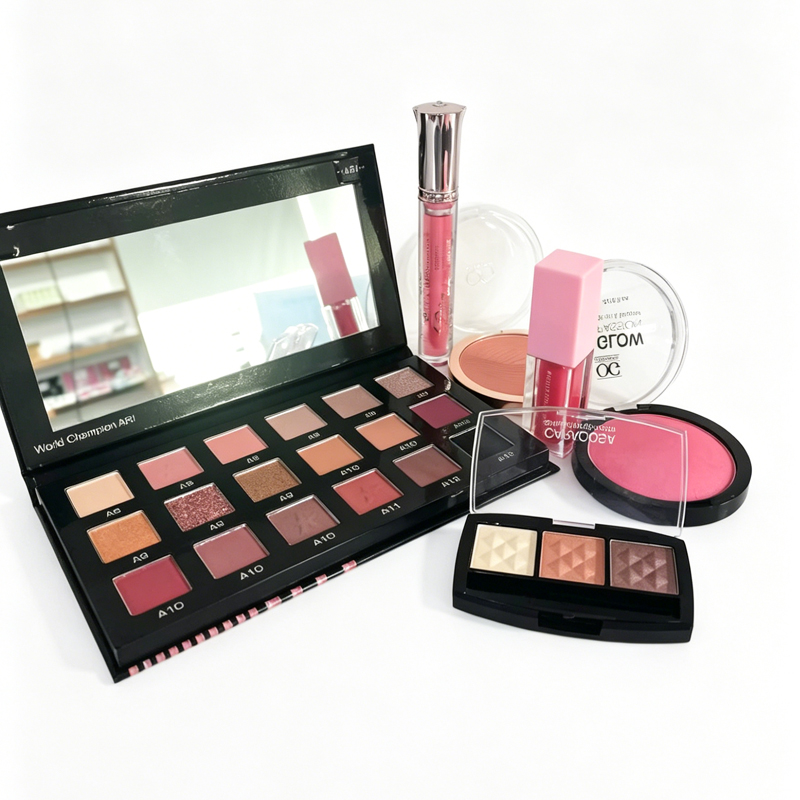
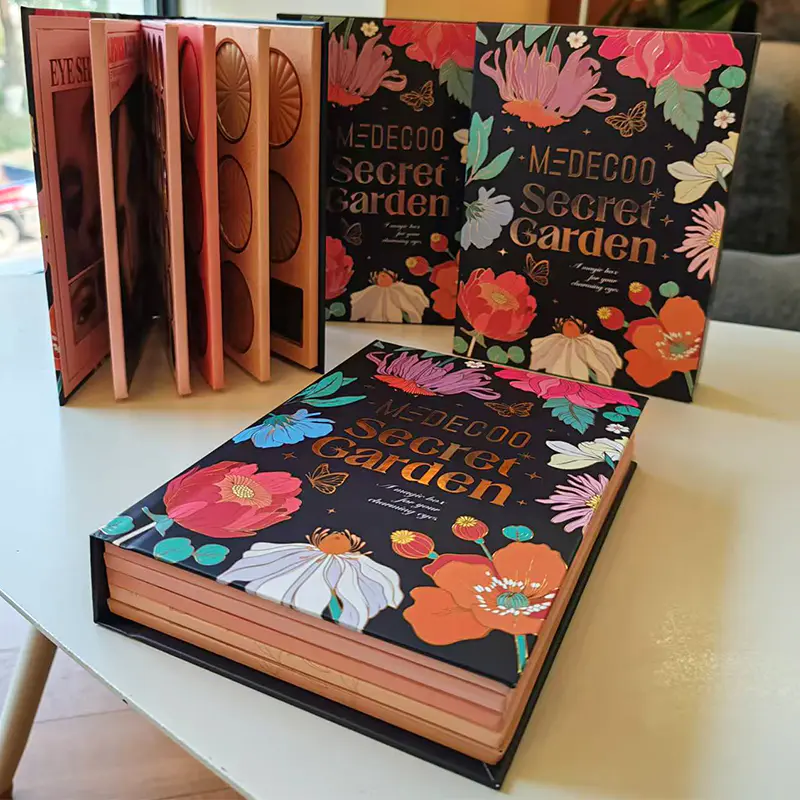
Eyeshadow is a core component of basic cosmetics for women, offering both subtle enhancements and bold creative possibilities. Factory-produced eyeshadow palettes play an important role in making a wide variety of shades, textures, and finishes accessible to consumers. These palettes often combine carefully selected colors and formulations, providing tools that help women achieve polished and versatile looks.
Preparing the Eyelids
Proper preparation of the eyelids is the foundation for successful eyeshadow application. Applying a thin layer of eyeshadow primer or a light base helps colors adhere more evenly and prevents creasing during the day. This step also enhances the vibrancy of shades from a palette, ensuring that both matte and shimmer colors appear true to their intended tone. For women with oily eyelids, choosing a primer that controls excess oil can maintain a smooth surface and prevent uneven blending.
Understanding Palette Layouts
Eyeshadow palettes from factories are often designed with complementary colors arranged in gradients or groups of similar tones. Recognizing how shades are positioned can help users plan their look efficiently. Using lighter shades on the inner eyelid, medium shades in the crease, and darker tones on the outer corners allows for depth and dimension. Many palettes include a mix of finishes, such as matte, satin, or shimmer, which can be layered to create effects like highlighting the brow bone or adding a reflective accent on the center of the lid. Familiarity with these layouts enables more intuitive and consistent application.
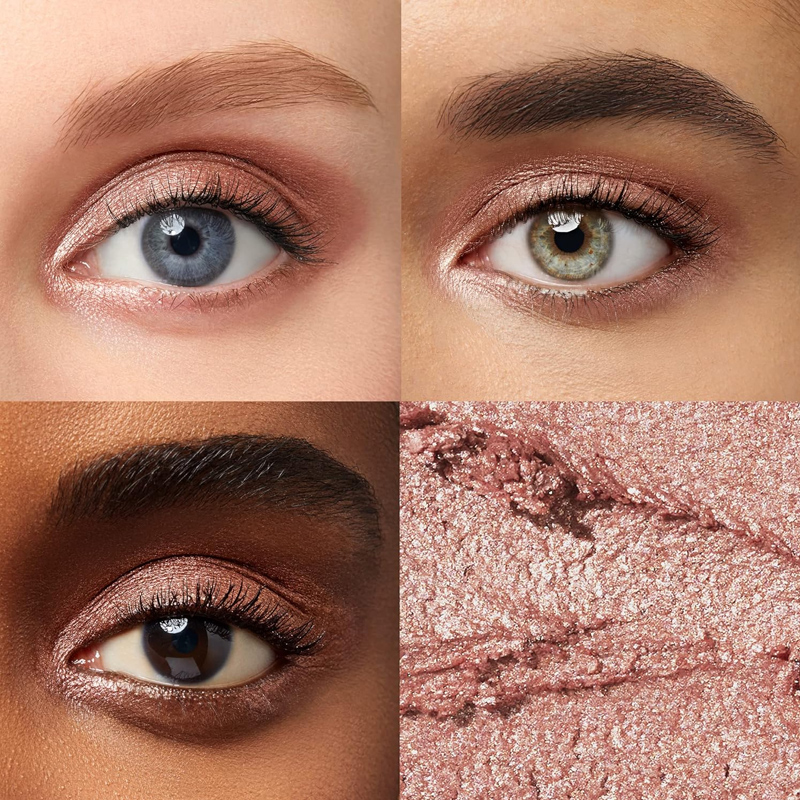
Blending and Layering Techniques
Blending is one of the important skills for achieving a professional-looking finish. Using clean brushes to softly merge the edges of different shades prevents harsh lines and creates a smooth gradient. Layering different textures—such as applying a cream shade under a powder shimmer—can add depth and longevity to the look. Factory palettes that offer diverse textures allow users to experiment with layering strategies, helping them create multi-dimensional effects without needing separate products.
Selecting Colors Based on Features
Matching eyeshadow to eye color and skin tone enhances the impact of a palette. Warm tones like bronze or copper can make blue eyes appear brighter, while purples and plums can highlight green eyes. Brown eyes are versatile and can be complemented with gold, burgundy, or earthy shades. Using palettes that include a range of options for different features ensures that users can adapt their look for casual, professional, or creative settings.
Tools and Application Methods
The choice of tools also influences the outcome. Brushes of varying sizes allow precise application in the crease, on the lid, or along the lower lash line. Fingers can be effective for cream or metallic shades to achieve a more intense finish. Many factory palettes come with applicators, but investing in a set of quality brushes can provide better control, smoother blending, and consistent results.
Maintaining and Refreshing the Look
Throughout the day, simple techniques can maintain the quality of eyeshadow. Lightly tapping over a shimmer shade or re-blending edges can refresh a look without adding extra product. Storing palettes properly, keeping brushes clean, and avoiding mixing shades unintentionally also preserve both the palette and the application experience. These small practices enhance usability and allow the palette to be a long-term, functional part of a cosmetics routine.
By focusing on preparation, color placement, blending, layering, and proper tools, women can fully utilize the variety offered by factory-produced eyeshadow palettes. Applying these techniques helps create versatile and refined looks while making palettes practical for everyday use and creative exploration.
Related Product
- Custom Cost-Effective Multifunctional cosmetics set
- Beautifully Packaged Multifunctional Cosmetics Set
- 18 Colors Professional Makeup Eyeshadow Pallate
- All-in-One Makeup Book Palette Eyeshadow Palette
- Makeup Kit with Lip Liner And Powder
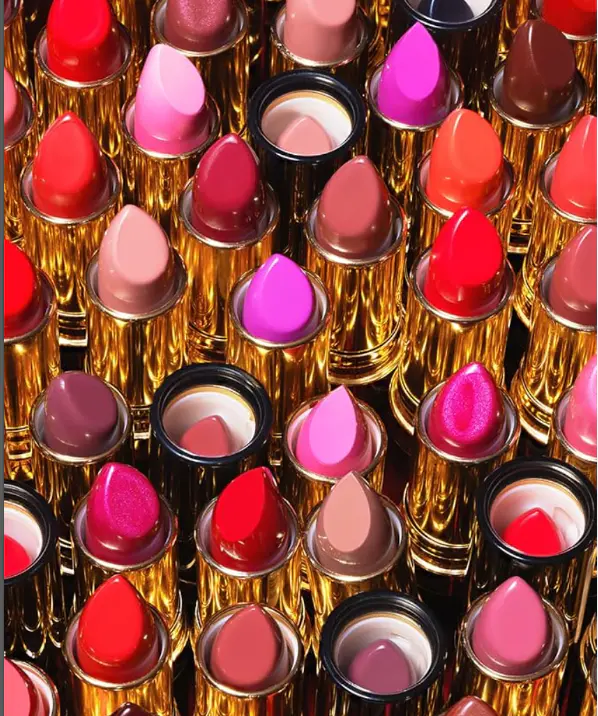
- Hydrating Cream Finish Italian Marble Sheer Lipstick
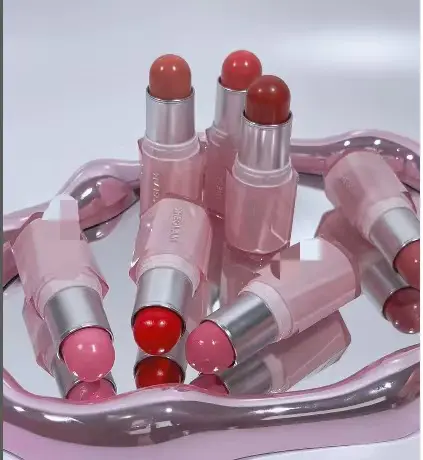
- Smudge-Resistant Rouge Hydrating Cream Lipstick
- Heart Shape Juicy Color Lip Glaze With Moisture Essence
- Transparent Hydrating Plumping Cherry Lip Glow Oil
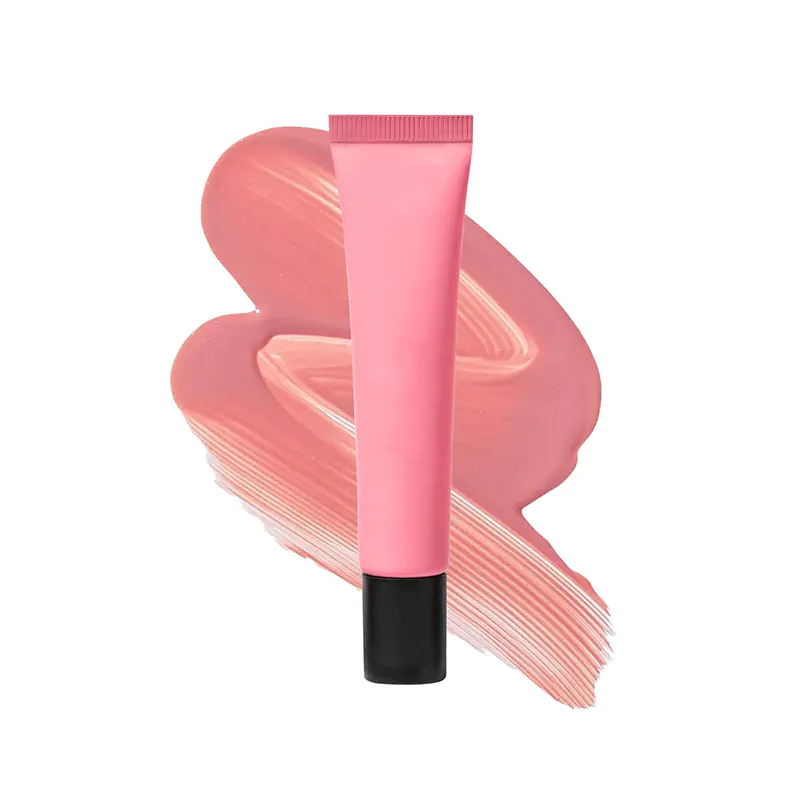
- Hydrating Nudescreen Liquid Blush & Lip Tint
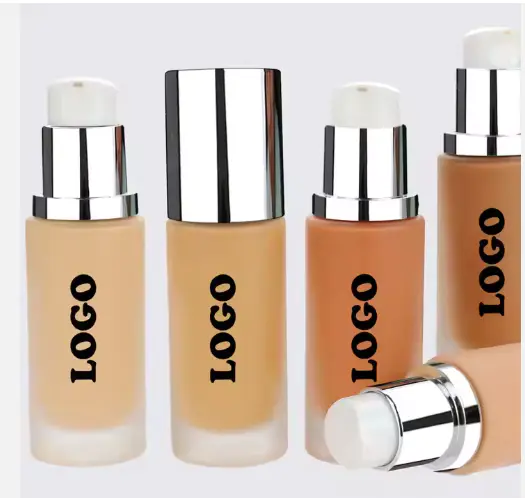
- Moisturizing Medium Coverage Dewy Foundation
- Natural Glow Finish Lightweight Hydrating Foundation


LINKS
PRODUCTS
CONTACT
-
 WhatsApp/Wechat/Phone:
+86-13423654553 -
 [email protected]
-
 No.818 Mingkai Street ,liushi Towm, dongyang City,jinhua, zhejiang, P.R.CHINA
MOBILE SITE
Copyright © Dongyang Qicai Cosmetics Co., Ltd. All Rights Reserved.

