

 Language
 中文简体
中文简体 русский
 Español
 Deutsch
 عربى
عربى Contact Us
Eyeshadow


 0
0
Product
Didn't find the product you like?
We gonna help you find matched one fast
Popular Products

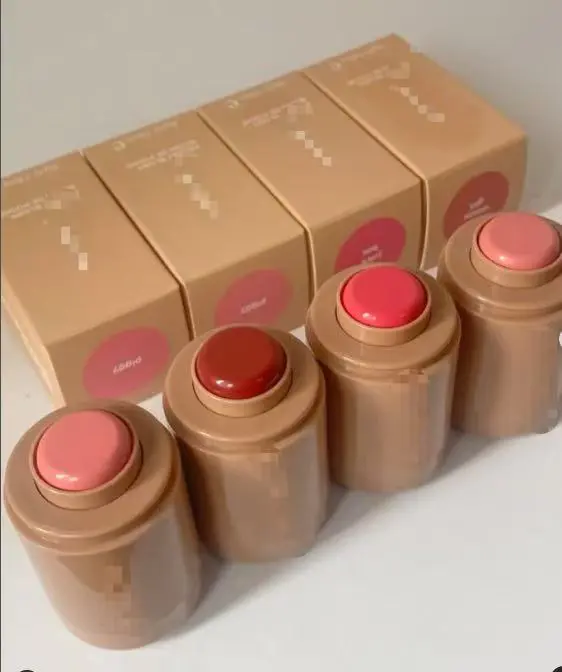
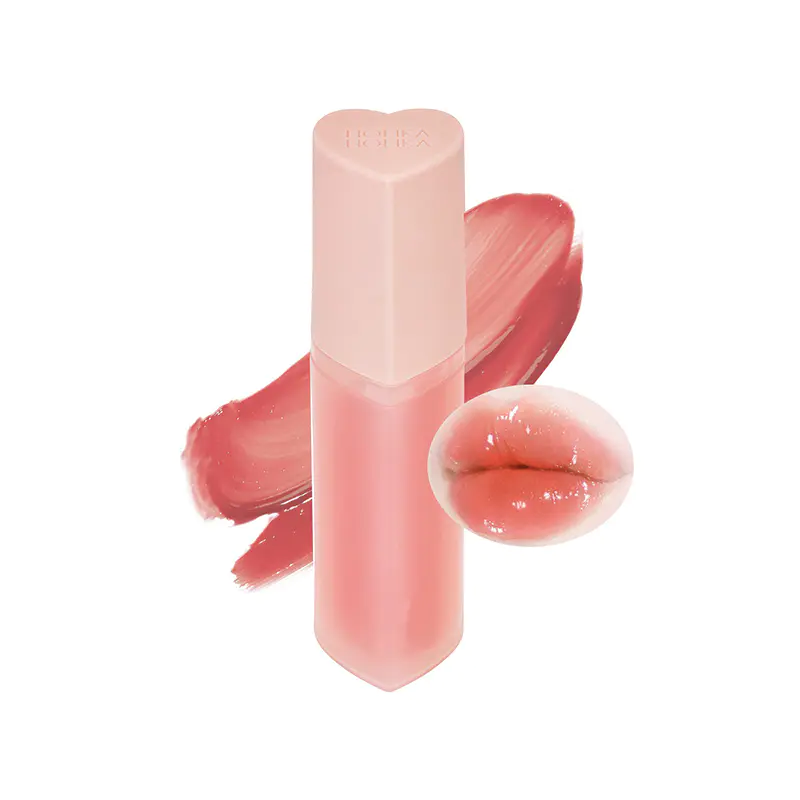
What Ingredients Define High-Quality Cosmetics For Lip Care
2025-10-17
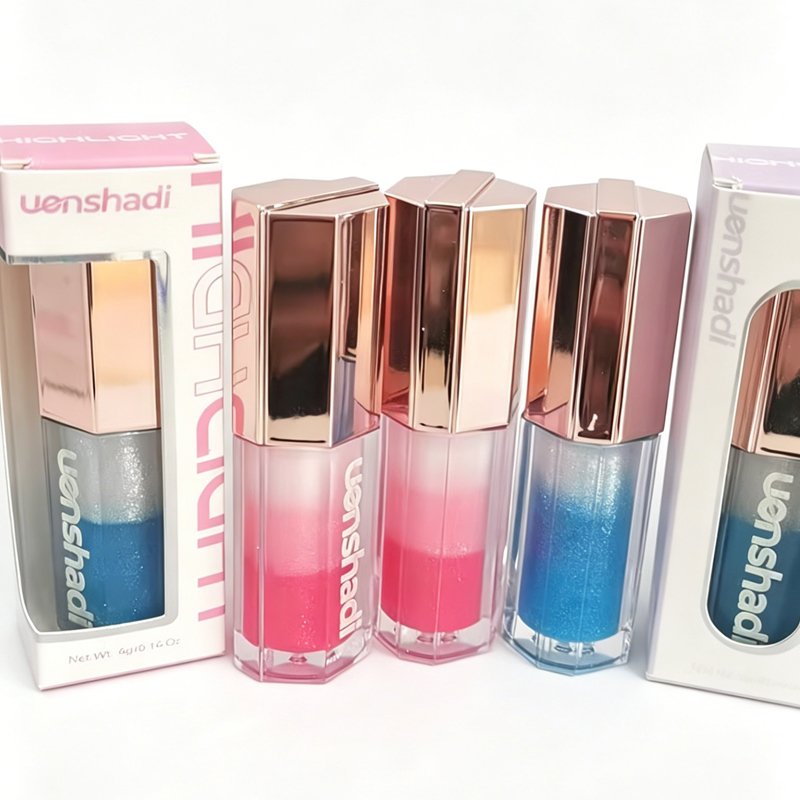
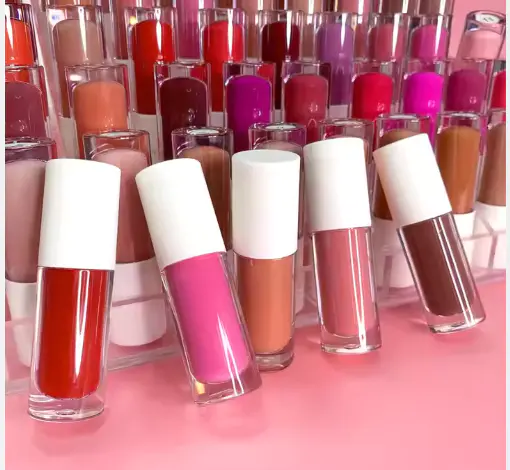
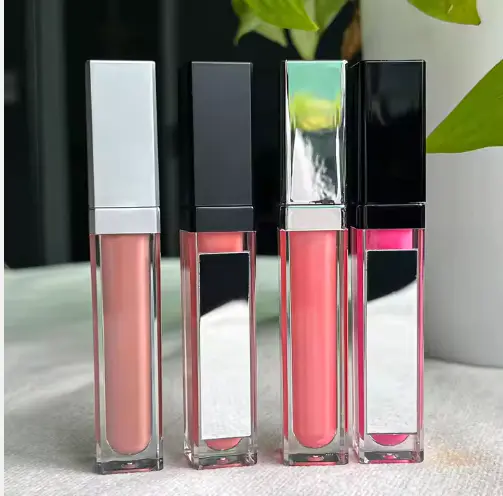
Across the beauty industry, the discussion of high-quality cosmetics often turns to formulation and ingredient selection. A dedicated lipstick manufacturer developing products for lip care pays particular attention to how each component contributes to hydration, texture, and comfort. Among recent innovations, vegan nourishing tinted lip oils have become a focus, offering both care and color through carefully chosen ingredients. Understanding what goes into these products can help consumers make informed decisions and appreciate the balance of function and aesthetics.
The Role of Hydrating Oils
Lip skin is thinner than other areas of the face, which makes hydration an essential priority. Plant-derived oils such as jojoba, sunflower, or grapeseed oil are often included in modern lip oils to deliver lightweight moisture without leaving a heavy film. Vegan squalane has become a frequent addition because it mimics natural sebum, helping to keep lips soft and supple throughout the day. By using oils that absorb efficiently, a lip product can address dryness while maintaining a comfortable wear experience.
Pigments and Color Stability
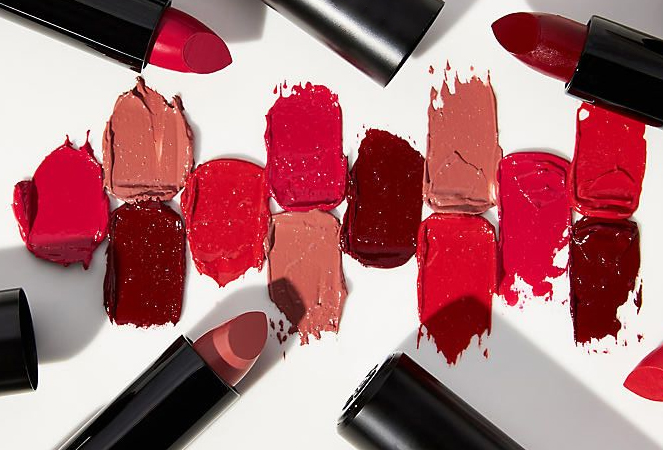
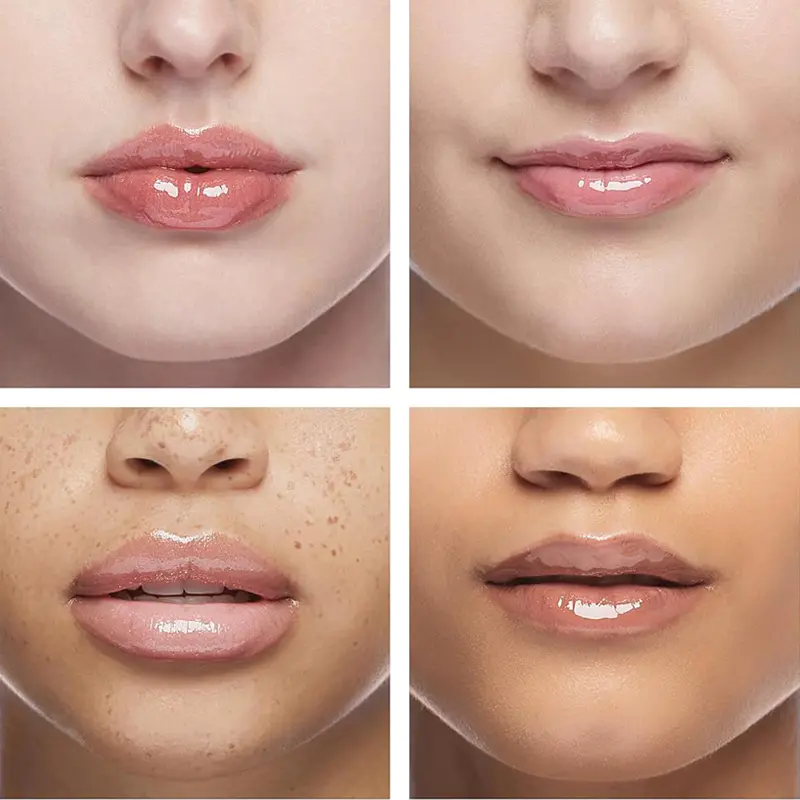
For tinted lip oils, color is just as important as hydration. Cosmetic-grade pigments are selected not only for their vibrancy but also for their ability to remain stable in an oil-based formula. Unlike wax-heavy lipsticks, tinted oils require pigments that disperse evenly without separating. A lipstick manufacturer ensures rigorous testing to confirm that the color payoff looks smooth across different skin tones. The focus is on providing a natural wash of color that can be built up, whether worn alone or layered over another lip product.
Achieving a Non-Sticky Texture
One of the defining qualities of a successful lip oil is its texture. Traditional glosses often left a sticky residue, which discouraged long wear. Non-sticky lip oils are created by blending emollients and light esters that spread evenly across the lips. This results in a glossy finish that feels breathable and comfortable. Texture testing under different environmental conditions ensures that the product maintains consistency, whether applied in humid summers or dry winters.
Protective Barriers for Lasting Comfort
Beyond hydration, lip care requires protection. Certain ingredients form a thin barrier over the skin to lock in moisture and shield against environmental stressors such as wind or temperature fluctuations. These protective agents are usually lightweight and transparent, preventing the feeling of heaviness while still prolonging the product’s effectiveness. For users, this means less frequent reapplication and improved comfort during daily activities.
Vegan and Cruelty-Free Formulation Practices
Ingredient choices also reflect ethical considerations. Many consumers now expect cosmetics to avoid animal-derived components and animal testing. Vegan formulations replace traditional ingredients like beeswax with plant-based alternatives, while still maintaining smooth application and stability. By sourcing cruelty-free ingredients, manufacturers align with consumer preferences and evolving industry standards. This approach not only supports ethical beauty but also broadens accessibility for individuals seeking plant-based lifestyle options.
Enhancing Shine Without Compromising Care
The appeal of a lip oil often lies in its glossy appearance, yet achieving shine without stickiness requires precise formulation. Natural oils paired with lightweight polymers can provide a reflective finish that highlights the lips. Unlike traditional gloss, the shine here serves a dual purpose—visual appeal and moisture retention. Consumers benefit from a product that enhances appearance while delivering functional care throughout wear.
Compatibility with Other Lip Products
Many users combine lip oils with other cosmetics, applying them over lipsticks or liners to adjust color depth and finish. For this reason, ingredients are selected to ensure compatibility. Non-reactive emollients allow the oil to layer smoothly without disrupting the underlying product. This versatility adds value for individuals who want one product that works in multiple ways, from subtle daytime looks to more defined evening styles.
Practical Value in Everyday Routines
Beyond aesthetics, the ingredient profile of a vegan nourishing tinted lip oil reflects practical concerns. Hydration, color, protection, and ethical sourcing all play roles in how the product performs during daily use. A lipstick manufacturer focusing on these aspects creates cosmetics that respond to real needs rather than serving as purely decorative items. For consumers, knowing what ingredients define high-quality lip care products allows them to select formulas that fit comfortably into their routines.
Related Product
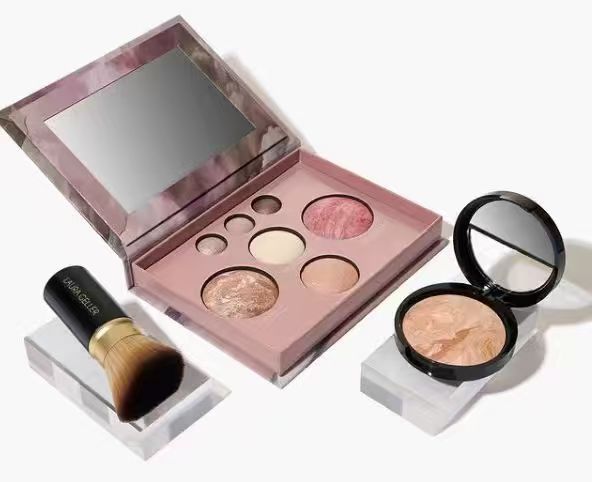
- Custom Cost-Effective Multifunctional cosmetics set
- Beautifully Packaged Multifunctional Cosmetics Set
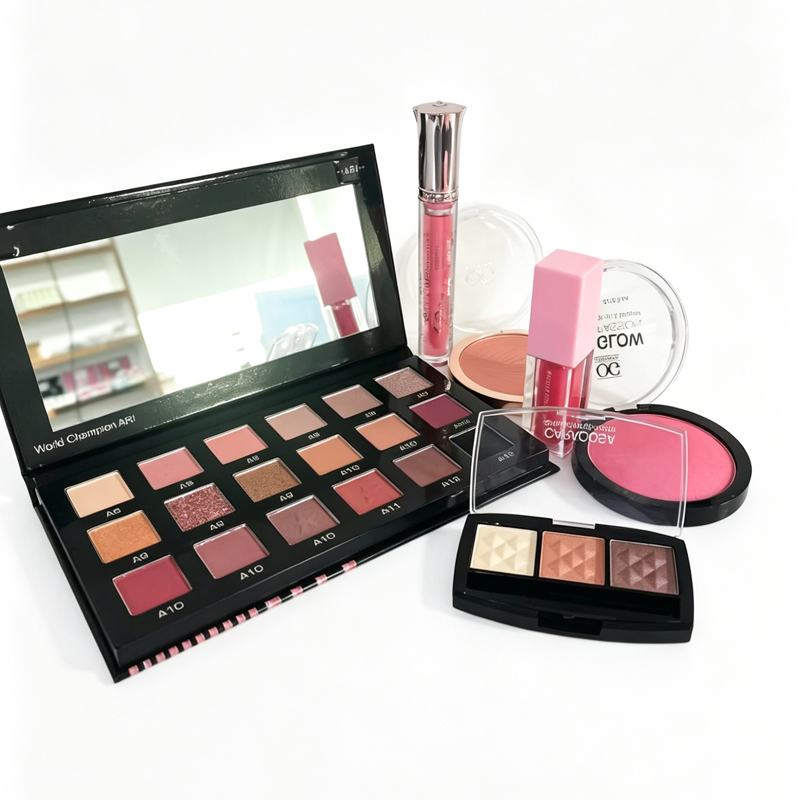
- 18 Colors Professional Makeup Eyeshadow Pallate
- All-in-One Makeup Book Palette Eyeshadow Palette
- Makeup Kit with Lip Liner And Powder
- Hydrating Cream Finish Italian Marble Sheer Lipstick
- Smudge-Resistant Rouge Hydrating Cream Lipstick
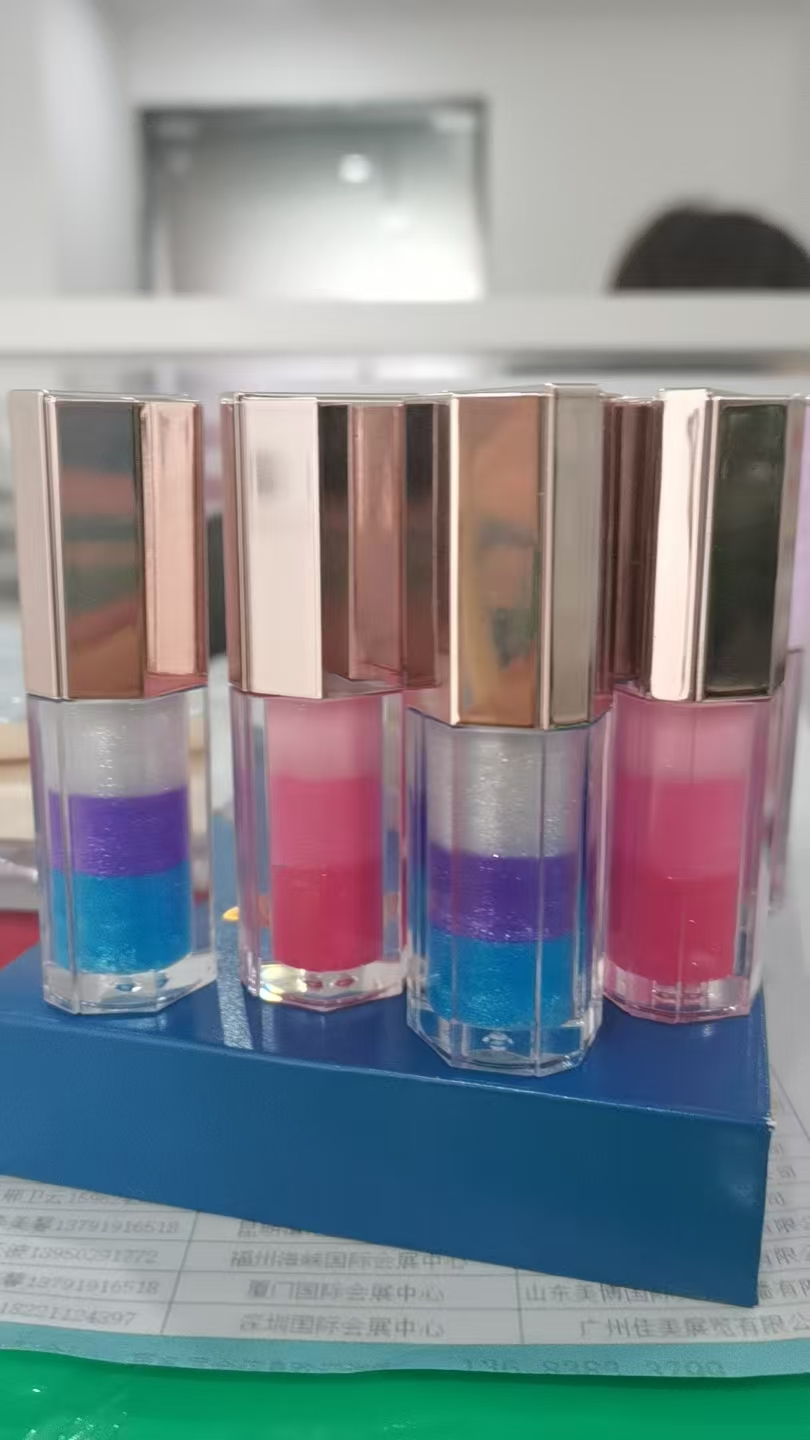
- Heart Shape Juicy Color Lip Glaze With Moisture Essence
- Transparent Hydrating Plumping Cherry Lip Glow Oil
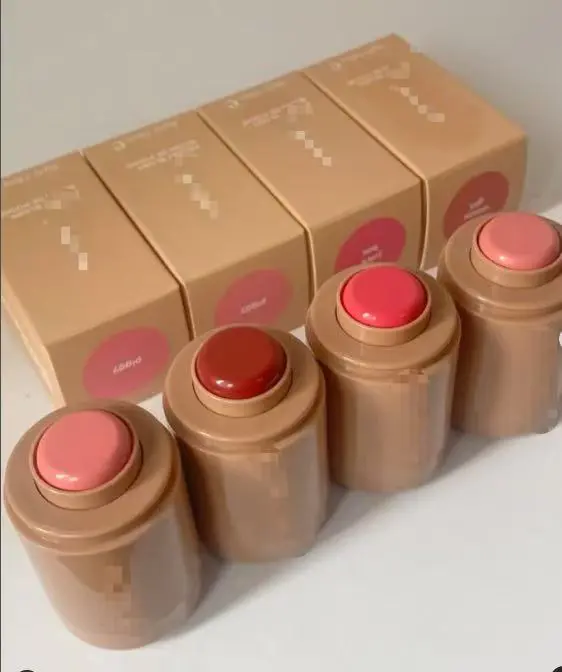
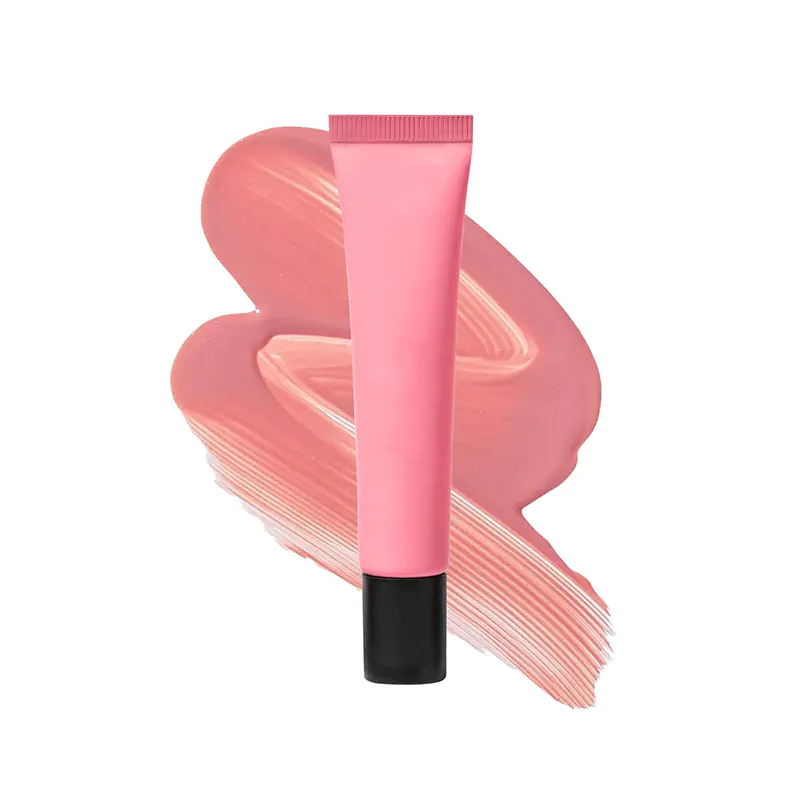
- Hydrating Nudescreen Liquid Blush & Lip Tint
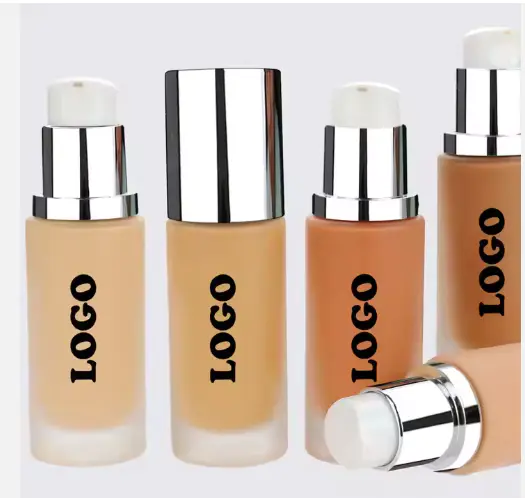
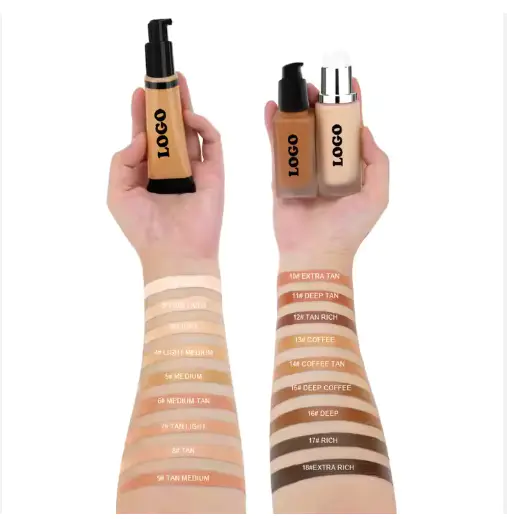
- Moisturizing Medium Coverage Dewy Foundation
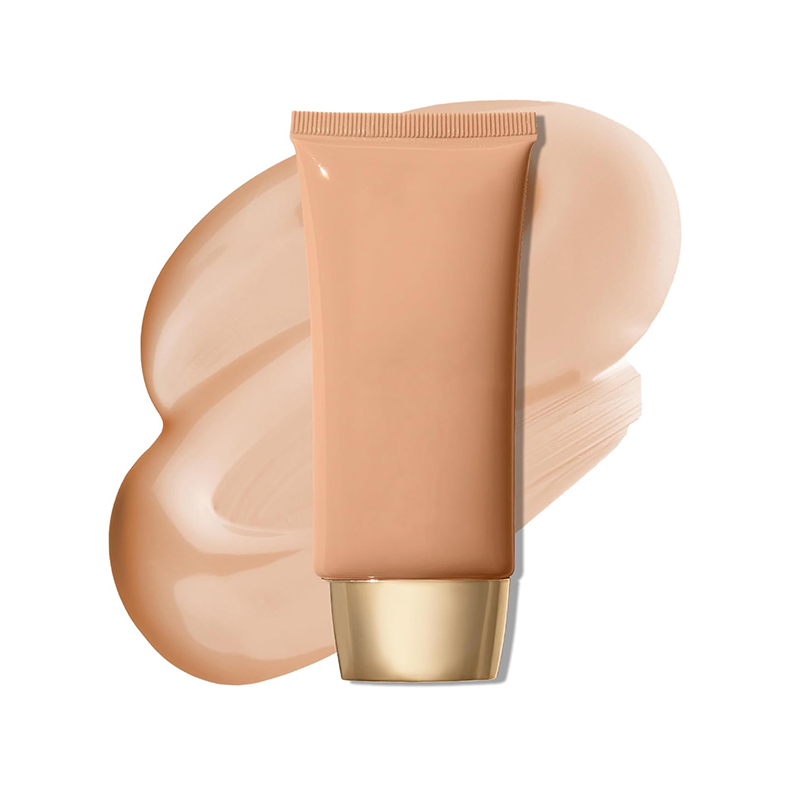
- Natural Glow Finish Lightweight Hydrating Foundation



LINKS
PRODUCTS
CONTACT
-
 WhatsApp/Wechat/Phone:
+86-13423654553 -
 [email protected]
-
 No.818 Mingkai Street ,liushi Towm, dongyang City,jinhua, zhejiang, P.R.CHINA
MOBILE SITE
Copyright © Dongyang Qicai Cosmetics Co., Ltd. All Rights Reserved.

