

 Language
 中文简体
中文简体 русский
 Español
 Deutsch
 عربى
عربى Contact Us
Eyeshadow


 0
0
Product
Didn't find the product you like?
We gonna help you find matched one fast
Popular Products
The Rise of Nail Art: Transforming Nails into Canvases for Creative Expression
2025-05-02
Nail art, once considered a simple afterthought in the beauty world, has blossomed into a global trend that continues to captivate millions of beauty enthusiasts. What was once reserved for special occasions or high-end salons has now evolved into a DIY phenomenon accessible to people of all ages, tastes, and budgets. As consumers seek more ways to express their creativity, nail art has taken center stage, with innovative designs, unique techniques, and high-quality products the charge. From intricate hand-painted designs to minimalist, trendy looks, the nail art industry is experiencing an exciting period of growth and innovation.
The Evolution of Nail Art
Nail art can be traced back to ancient civilizations, where people used dyes, henna, and even crushed gemstones to adorn their nails. However, the modern conception of nail art began to take shape in the early 20th century with the invention of colored nail polishes. It wasn't until the 1960s, with the introduction of more accessible nail polish options, that nail art began to gain widespread popularity.
In the 1980s and 1990s, nail salons became increasingly popular, and more intricate designs such as French tips and airbrushing came into the spotlight. However, it wasn’t until the advent of social media platforms like Instagram and Pinterest that nail art truly exploded. With influencers and beauty enthusiasts sharing their unique designs, nail art quickly became a form of personal expression, and salons and independent artists began experimenting with bolder, more innovative techniques.
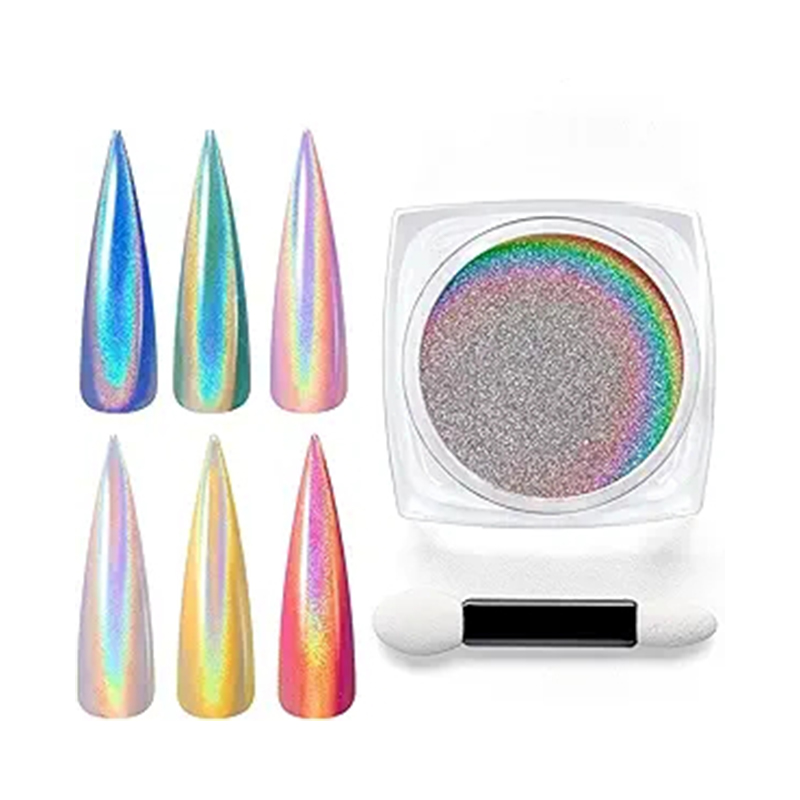
Nail Art: A Platform for Creative Expression
One of the main factors behind the growth of nail art is its ability to serve as a canvas for personal creativity. Much like fashion or makeup, nails have become an outlet for individual style. Whether it's a pop of color, a design inspired by nature, or a 3D embellishment, nails are now treated as a form of art rather than just a beauty accessory. This democratization of creativity has allowed people to experiment with designs they might not have considered before.
1. Bold and Unconventional Designs
The growing popularity of bold, artistic nail designs has led to the rise of eye-catching, unconventional styles. From geometric shapes and abstract art to floral patterns and even pop culture references, the range of nail art designs is virtually limitless. Nail artists and enthusiasts alike are pushing the boundaries of what can be done with nail polish, incorporating new tools like stamping kits, rhinestones, and even decals to create intricate and multi-dimensional designs.
2. Seasonal and Thematic Nails
Nail art has also become a seasonal and thematic experience. For instance, the Halloween season often brings about spooky designs featuring pumpkins, ghosts, and cobwebs, while winter nails might showcase snowflakes and glistening frost. These seasonal trends not only reflect the time of year but also allow people to express their personalities through their nails, whether it’s a sophisticated design for a formal occasion or something fun and playful for a festival.
3. Minimalist and Subtle Designs
While bold, intricate designs are all the rage, there has also been a significant rise in minimalist nail art, which focuses on clean lines, subtle color palettes, and understated elegance. Simple designs like negative space art, pastel ombré nails, and fine line drawings cater to those who want a more refined, sophisticated look without the need for extensive designs or decorations.
Trends Influencing Nail Art
Several key trends are shaping the future of the nail art industry. These trends not only influence design choices but also contribute to the types of products consumers demand from the beauty market.
With growing awareness about the environmental impact of beauty products, sustainability has become an increasingly important factor in nail art. More brands are now offering eco-friendly and cruelty-free nail polishes, as well as packaging made from recycled materials. Additionally, many nail artists are opting for non-toxic, vegan-friendly formulas that are free of harmful chemicals like toluene, DBP, and formaldehyde, which are commonly found in traditional nail polishes. The demand for such products is driven by a consumer base that is becoming more conscious of the environmental and health implications of their beauty choices.
Related Product
- Custom Cost-Effective Multifunctional cosmetics set
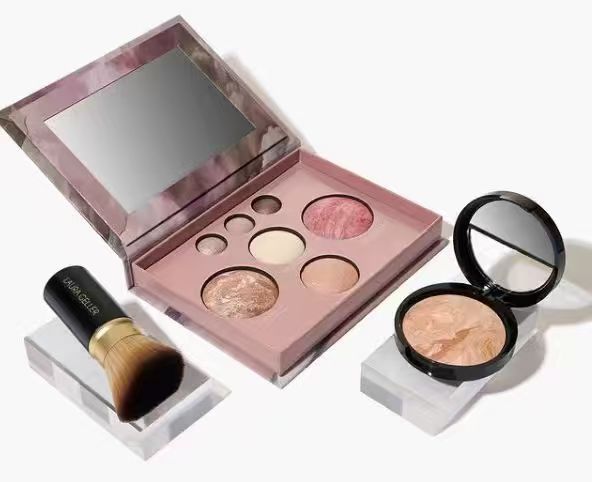
- Beautifully Packaged Multifunctional Cosmetics Set
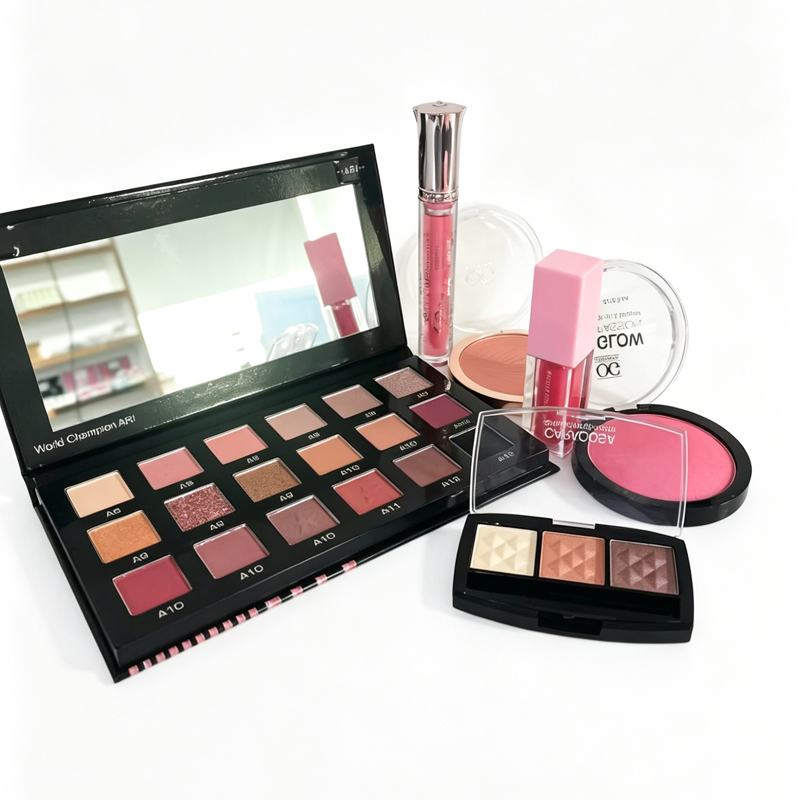
- 18 Colors Professional Makeup Eyeshadow Pallate
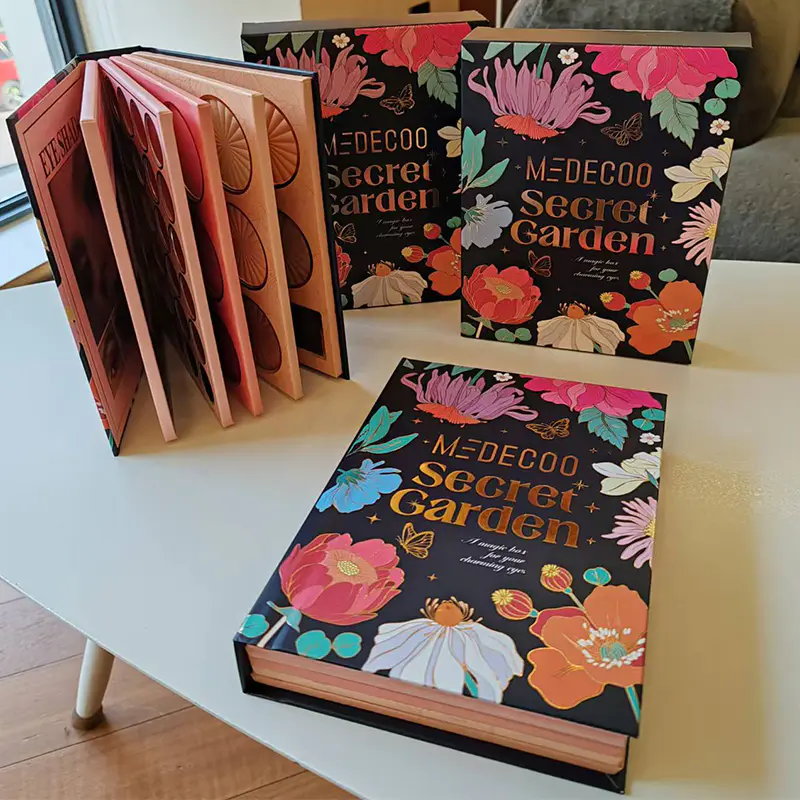
- All-in-One Makeup Book Palette Eyeshadow Palette
- Makeup Kit with Lip Liner And Powder
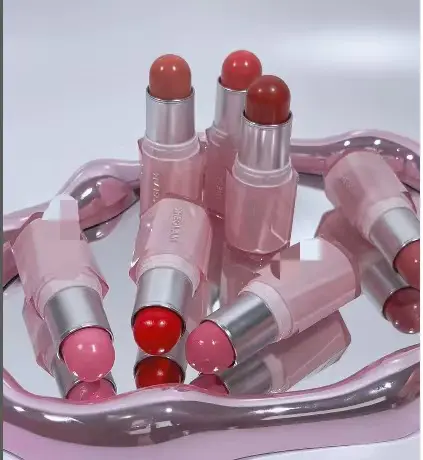
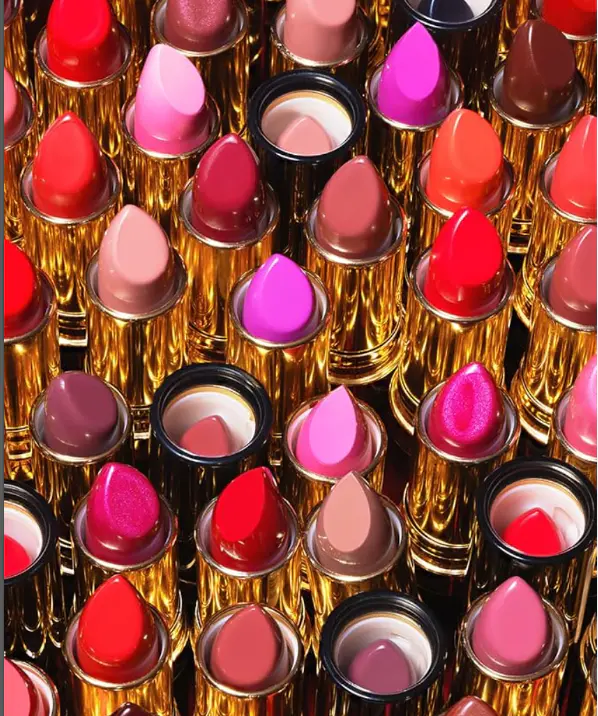
- Hydrating Cream Finish Italian Marble Sheer Lipstick
- Smudge-Resistant Rouge Hydrating Cream Lipstick
- Heart Shape Juicy Color Lip Glaze With Moisture Essence
- Transparent Hydrating Plumping Cherry Lip Glow Oil
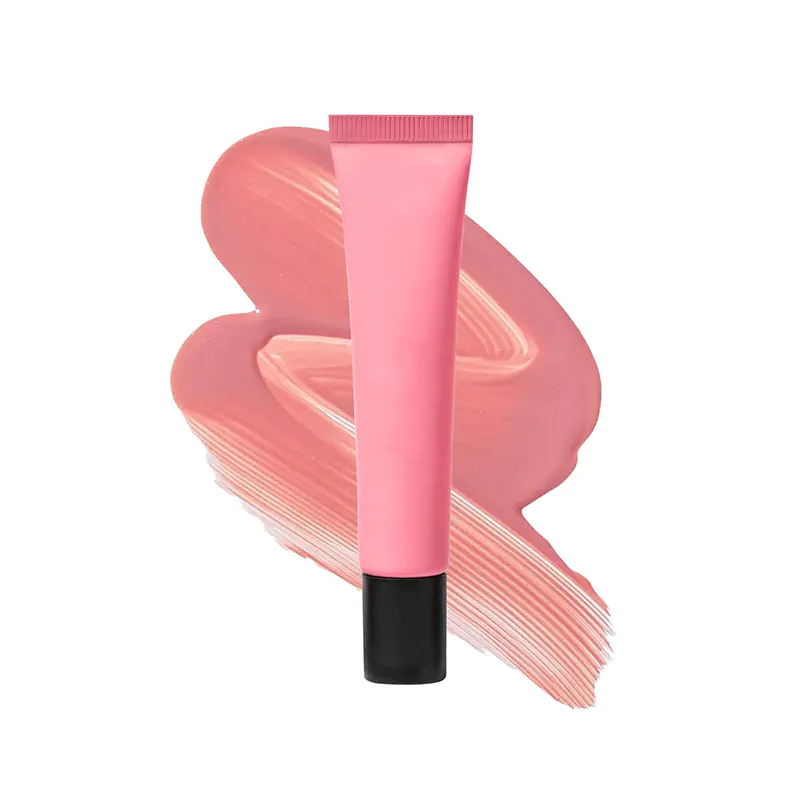
- Hydrating Nudescreen Liquid Blush & Lip Tint
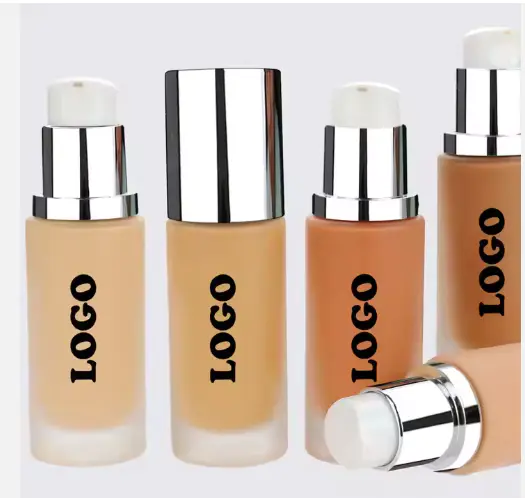
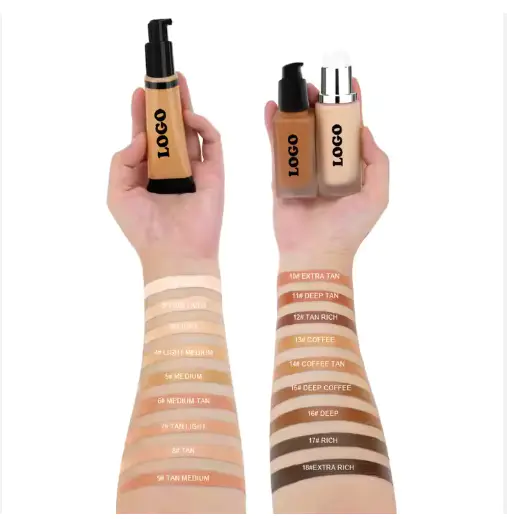
- Moisturizing Medium Coverage Dewy Foundation
- Natural Glow Finish Lightweight Hydrating Foundation


LINKS
PRODUCTS
CONTACT
-
 WhatsApp/Wechat/Phone:
+86-13423654553 -
 [email protected]
-
 No.818 Mingkai Street ,liushi Towm, dongyang City,jinhua, zhejiang, P.R.CHINA
MOBILE SITE
Copyright © Dongyang Qicai Cosmetics Co., Ltd. All Rights Reserved.

