

 Language
 中文简体
中文简体 русский
 Español
 Deutsch
 عربى
عربى Contact Us
Eyeshadow


 0
0
Product
Didn't find the product you like?
We gonna help you find matched one fast
Popular Products
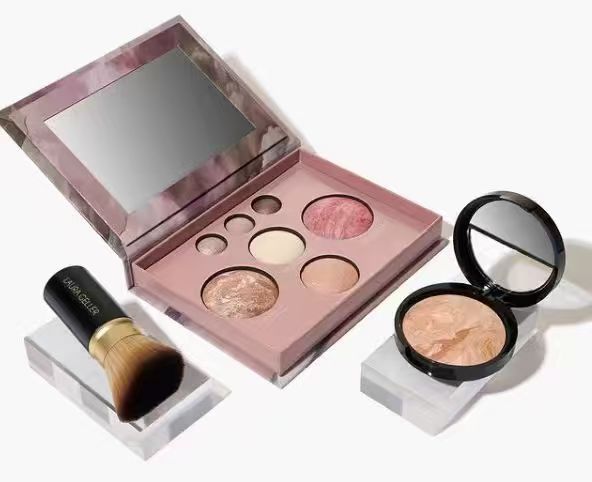
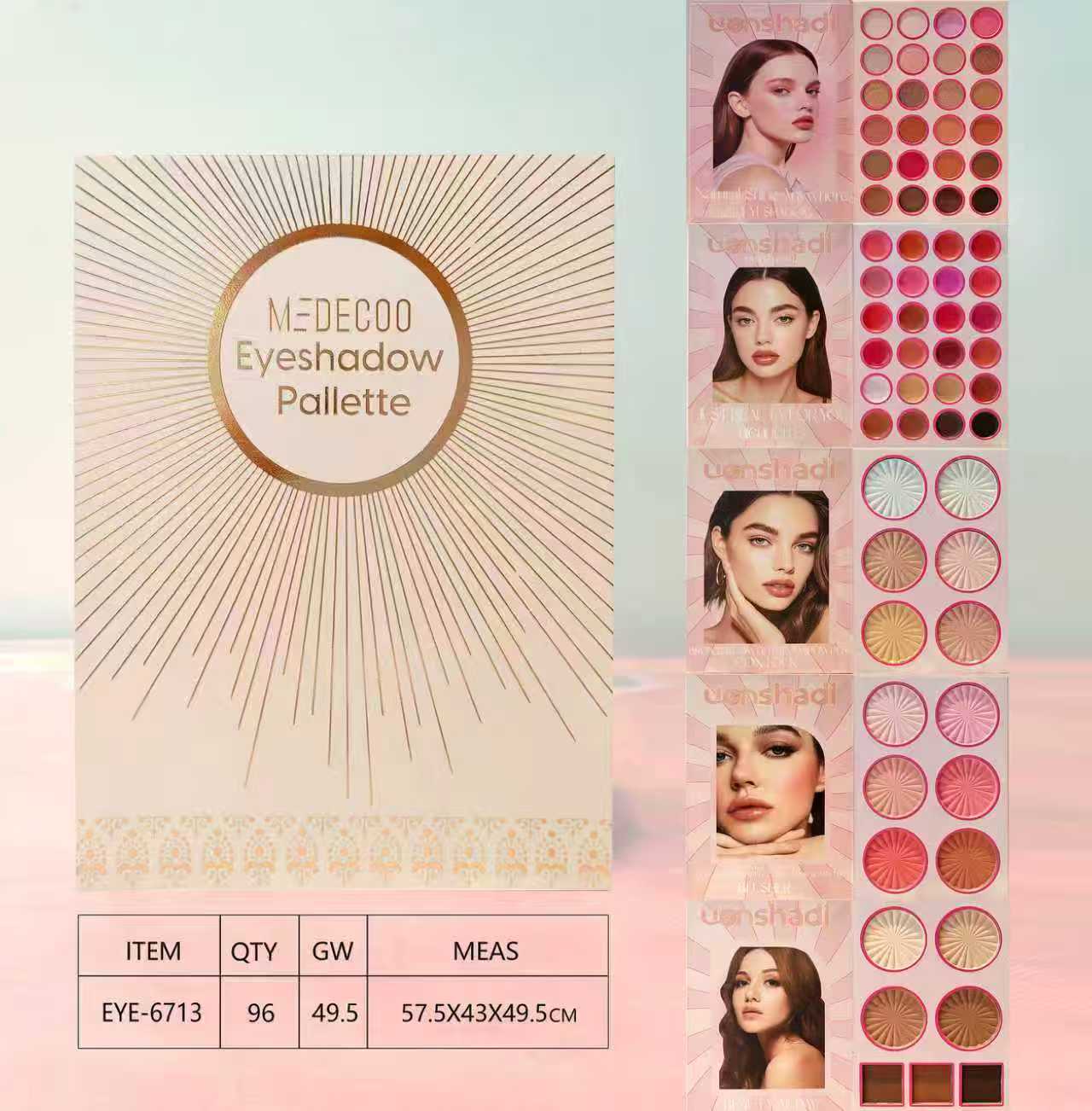
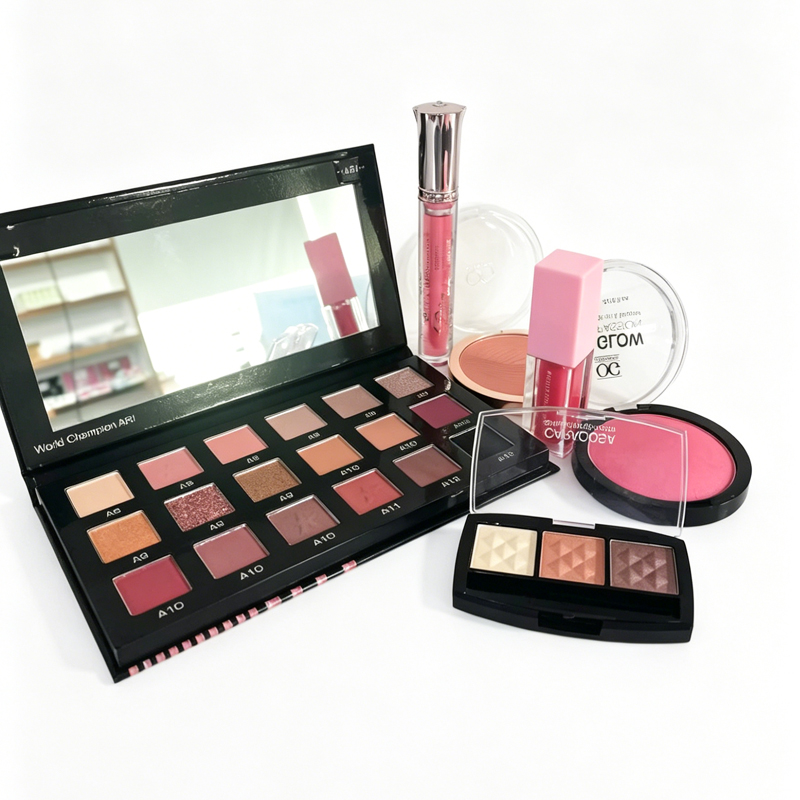

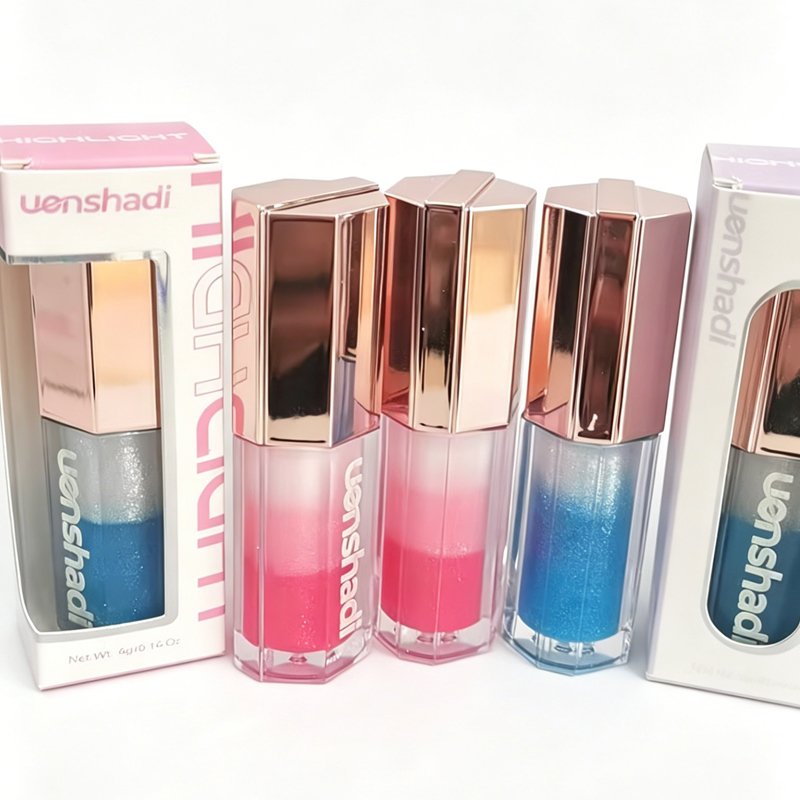
From Glam to Clean: Industry Insights on Effectively Removing Eyeshadow Palette Makeup
2025-06-20
As beauty trends continue to spotlight bold, expressive eye makeup, the demand for effective makeup removal solutions has grown significantly. Among the used cosmetic items, the eyeshadow palette stands out for its versatility and creativity. However, the rich pigments, shimmer particles, and long-wearing formulas commonly found in today’s eyeshadow palettes present unique challenges when it comes to safe and thorough removal. In response, the beauty industry is advancing with new products, technologies, and consumer education aimed at improving the makeup removal process while maintaining skin health.
The Challenge of Modern Eyeshadow Formulas
Today’s eyeshadow palettes often include a combination of matte, satin, shimmer, and glitter finishes—each requiring distinct removal strategies. Formulas are designed for long wear, crease resistance, and high color payoff, thanks to high-pigment concentrations and binding agents. These benefits, while ideal for creating looks, can make removal more difficult, especially around the delicate eye area.
Cosmetic chemists note that traditional face cleansers may not effectively dissolve the binding ingredients found in eyeshadow. “Modern eyeshadow, especially waterproof or high-glitter types, tends to resist water-based cleansers, requiring oil-based solutions to properly break down the product,” says Dr. Melissa Cheng, a cosmetic formulation specialist.
Oil-Based Removers: The Industry Standard
beauty brands have increasingly leaned into oil-based makeup removers, which are now the solution for dissolving stubborn eye makeup. These removers work by gently lifting pigments from the skin’s surface without excessive rubbing, a crucial factor in preventing irritation or damage to the thin eyelid skin.
Ingredients such as jojoba oil, squalane, argan oil, and mineral oil are widely used. Dual-phase formulas—consisting of water and oil layers—are particularly popular. With a quick shake, they activate to remove even the tenacious shades from an eyeshadow palette. Additionally, micellar waters infused with oil molecules have gained traction, providing a lightweight, no-rinse option that suits sensitive skin types.
Innovative Makeup Remover Formats
The industry is also seeing innovation in the form of balm-to-oil cleansers, makeup remover sticks, and biodegradable cleansing wipes specifically designed for eye makeup. These products are formulated to melt into the skin, grabbing onto makeup particles and lifting them away effortlessly.
Balm cleansers, in particular, are praised for their gentle yet effective properties. When massaged onto dry skin, they dissolve eyeshadow pigments and emulsify upon contact with water, allowing for an easy rinse-off. This two-step process ensures residue and leaves the skin feeling nourished rather than stripped.
Makeup eraser cloths—made with microfibers—are another eco-friendly alternative gaining popularity. While they require only water to activate, some beauty professionals suggest pairing them with gentle cleansing oils for enhanced results, especially when removing vibrant colors from an eyeshadow palette.
Skincare and Aftercare: Closing the Routine
Once the eyeshadow is removed, the post-cleanse routine becomes critical in maintaining skin health. Dermatologists advise incorporating hydrating eye creams, serums with peptides, and soothing agents like aloe vera or chamomile to replenish the skin barrier. Because the eye area is more prone to dryness and fine lines, proper aftercare can reduce long-term damage and inflammation.
In recent years, brands have started offering complete cleansing kits tailored for eye makeup users. These kits typically include a remover, soft cotton pads or reusable cloths, and hydrating eye products—all designed to complement the use of heavily pigmented eyeshadow palettes.
Consumer Education Drives Product Development
Beauty brands are investing in consumer education to promote healthier makeup removal habits. Campaigns increasingly focus on the dangers of over-scrubbing, using expired products, or skipping eye-specific removers altogether. Through tutorials, social media content, and QR-code linked videos on packaging, companies are helping users understand how to safely cleanse their eye area without compromising skin integrity.
Moreover, cosmetic manufacturers are collaborating with dermatologists and ophthalmologists to develop ophthalmologist-tested, hypoallergenic makeup removers that are safe for contact lens wearers and those with sensitive eyes.
Sustainability and Eye Makeup Removal
As sustainability becomes a key concern, the beauty industry is addressing the environmental impact of disposable remover pads and wipes. Brands are introducing washable cotton rounds, compostable makeup pads, and refillable makeup remover bottles to minimize waste.
Related Product
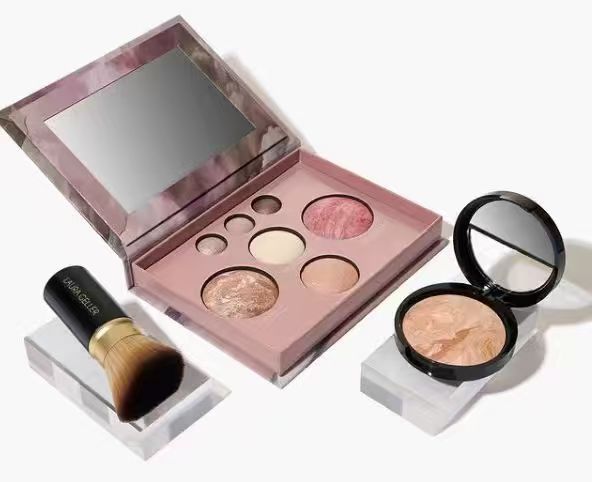
- Custom Cost-Effective Multifunctional cosmetics set
- Beautifully Packaged Multifunctional Cosmetics Set
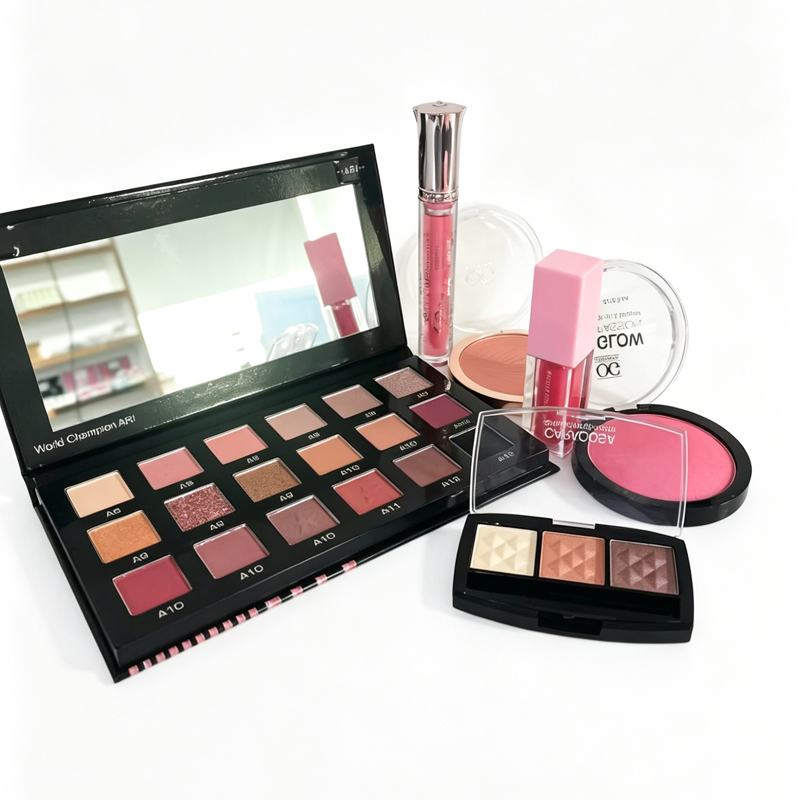
- 18 Colors Professional Makeup Eyeshadow Pallate
- All-in-One Makeup Book Palette Eyeshadow Palette
- Makeup Kit with Lip Liner And Powder
- Hydrating Cream Finish Italian Marble Sheer Lipstick
- Smudge-Resistant Rouge Hydrating Cream Lipstick
- Heart Shape Juicy Color Lip Glaze With Moisture Essence
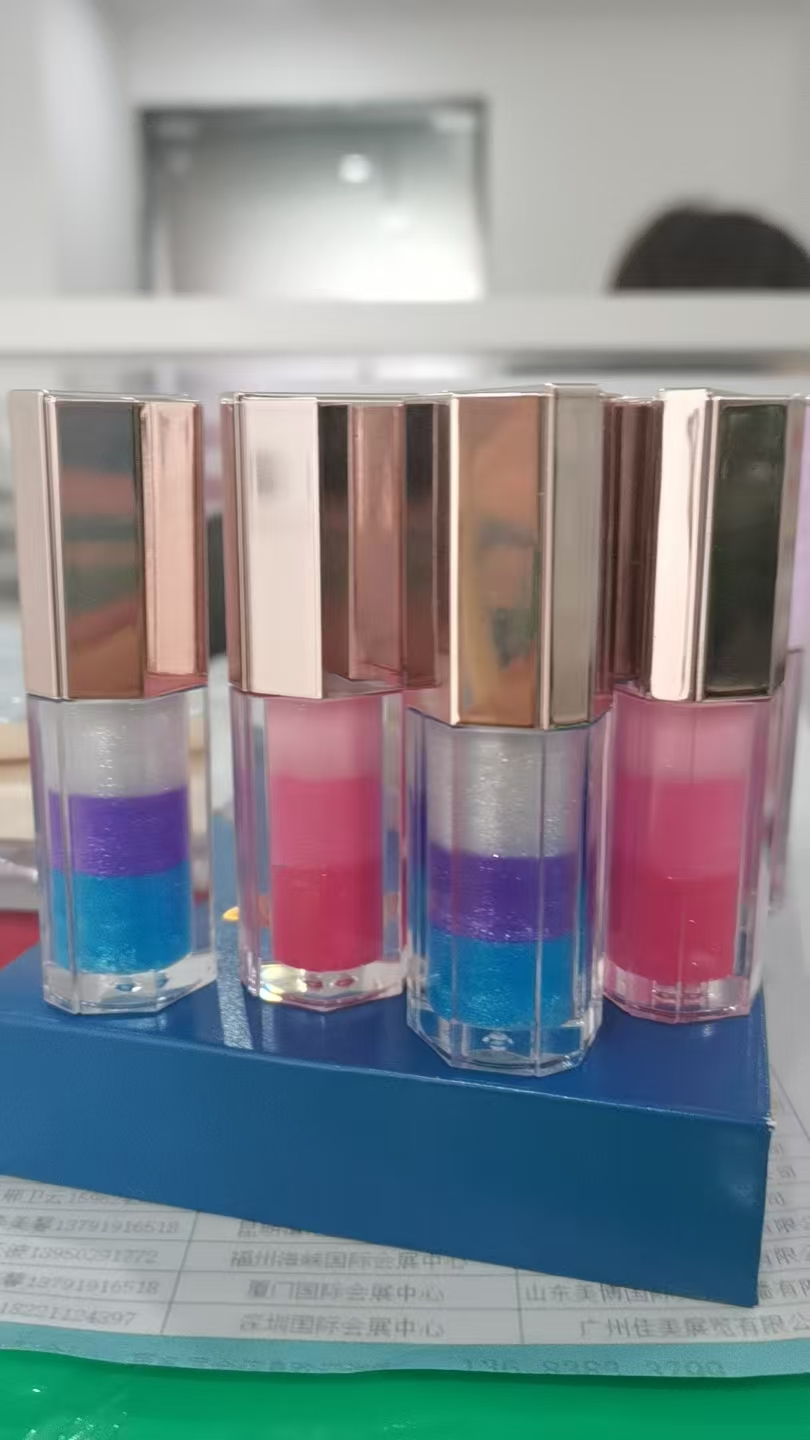
- Transparent Hydrating Plumping Cherry Lip Glow Oil
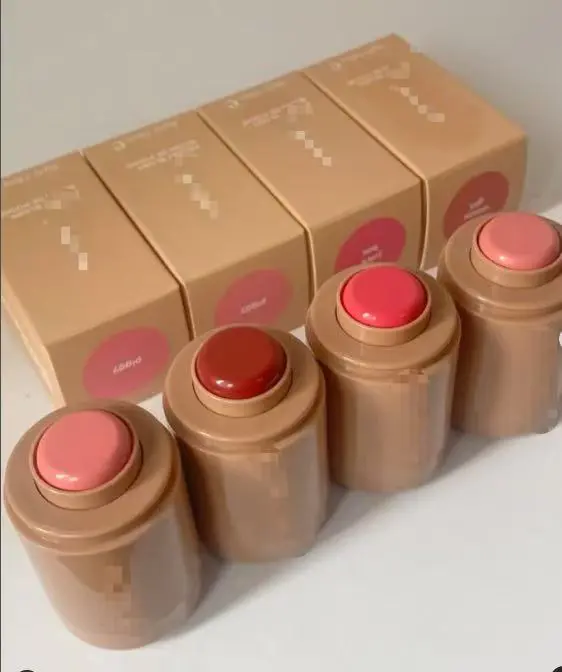
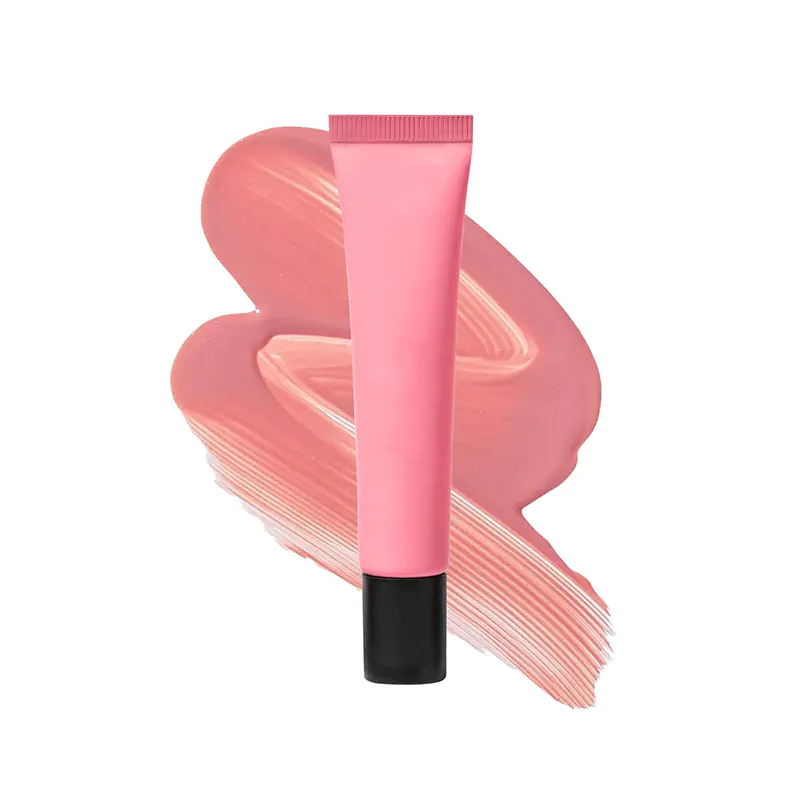
- Hydrating Nudescreen Liquid Blush & Lip Tint
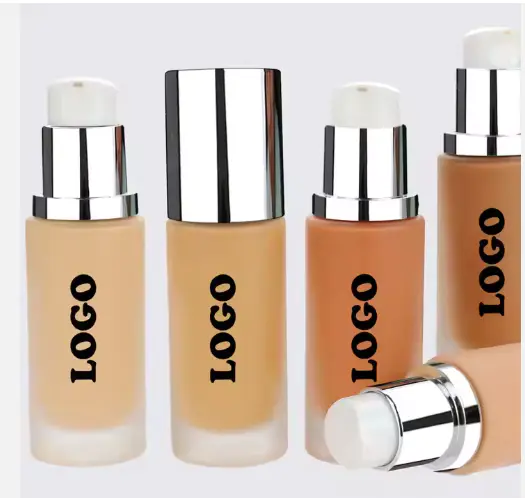
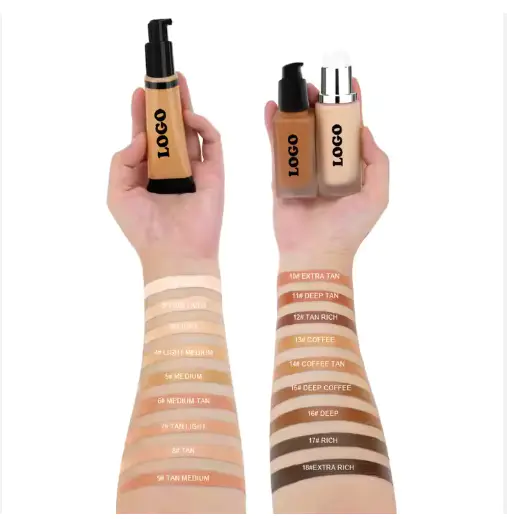
- Moisturizing Medium Coverage Dewy Foundation
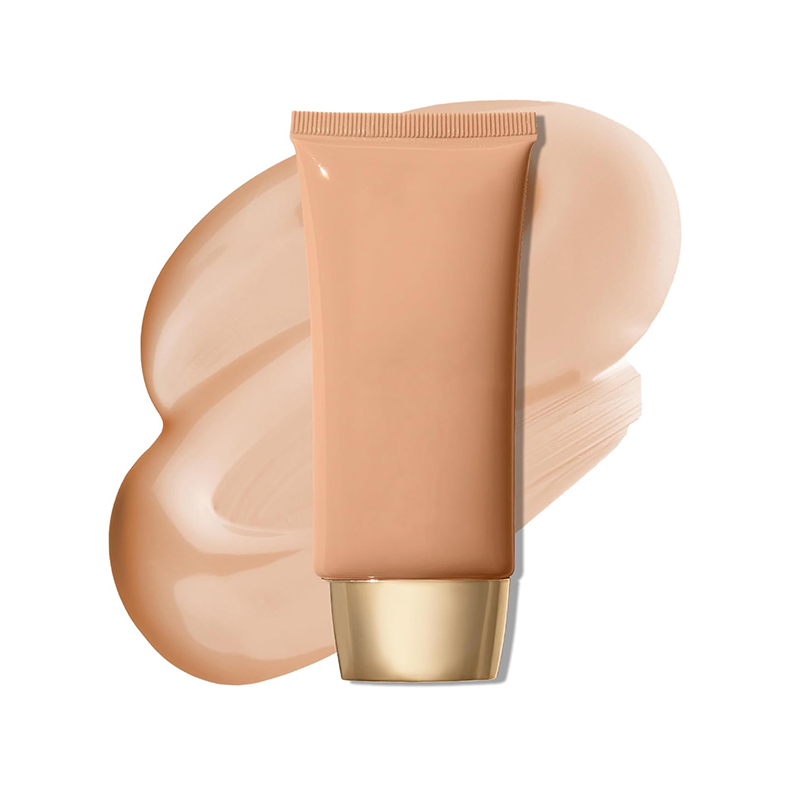
- Natural Glow Finish Lightweight Hydrating Foundation



LINKS
PRODUCTS
CONTACT
-
 WhatsApp/Wechat/Phone:
+86-13423654553 -
 [email protected]
-
 No.818 Mingkai Street ,liushi Towm, dongyang City,jinhua, zhejiang, P.R.CHINA
MOBILE SITE
Copyright © Dongyang Qicai Cosmetics Co., Ltd. All Rights Reserved.

